EV Market Growth in India: 2025 Forecast and Key Drivers
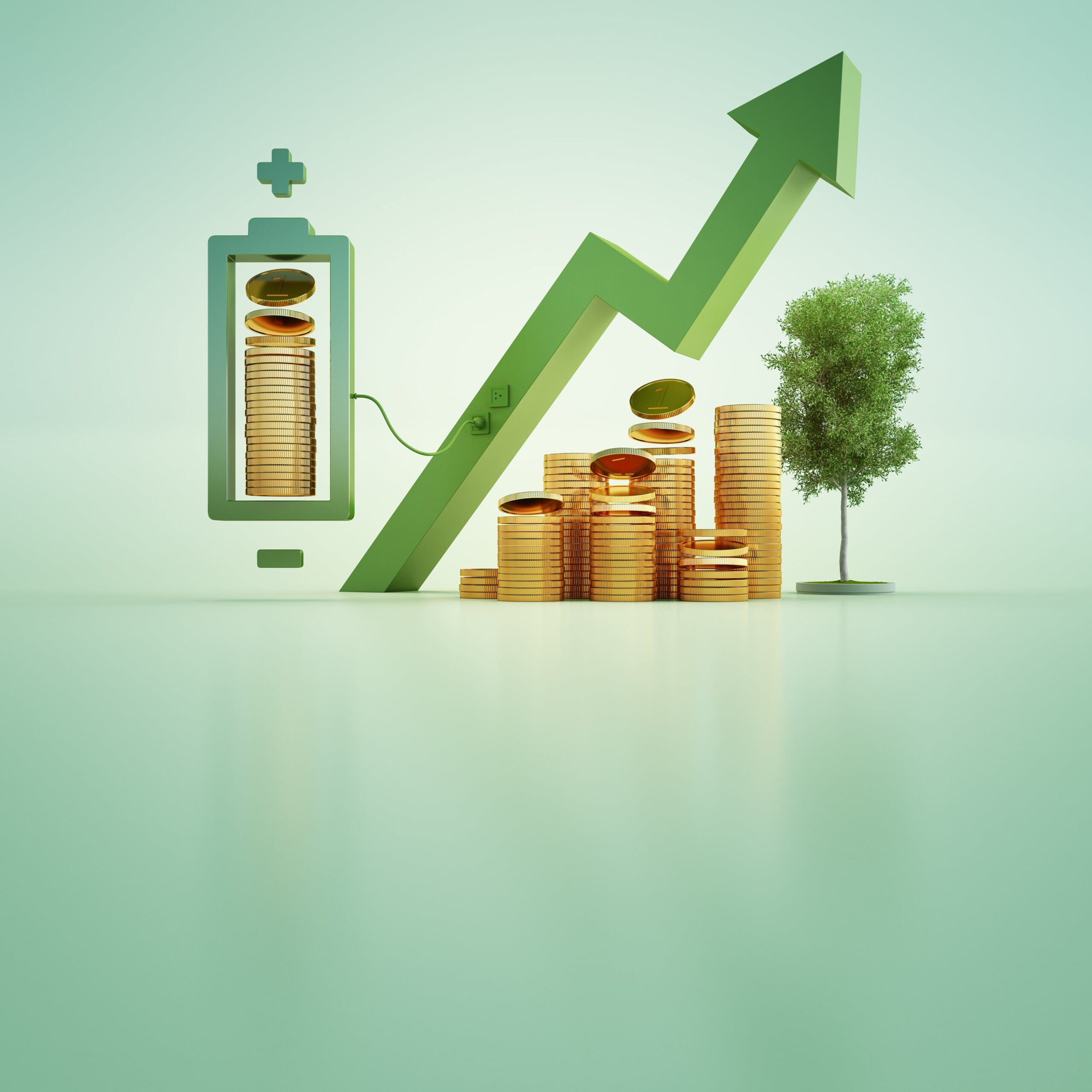
India’s electric vehicle (EV) market is witnessing rapid growth, fueled by technological advancements, supportive policies, and changing consumer preferences. By 2025, the EV sector is expected to become a major contributor to India’s automotive industry, transforming mobility and reducing dependency on fossil fuels.
India’s EV Market Size and 2025 Forecast
The Indian EV market is projected to reach USD 7.09 billion by 2025, growing at a CAGR of 44% between 2020 and 2025. Sales of electric two-wheelers and three-wheelers are expected to dominate the market, while electric cars and commercial vehicles will see significant adoption in urban areas and fleet operations.
Key Drivers of EV Growth in India
Government incentives such as the FAME II scheme, GST reduction, and state-level subsidies are accelerating EV adoption. The introduction of the Production Linked Incentive (PLI) scheme for battery manufacturing and localization of EV components is strengthening the domestic supply chain. Additionally, the rapid expansion of charging infrastructure, falling battery prices, and rising fuel costs are making EVs an attractive choice for both individuals and businesses.
Challenges and Opportunities
While the market is growing, challenges such as limited charging stations, higher upfront costs, and consumer awareness need to be addressed. However, these challenges open opportunities for infrastructure development, innovative financing models, and technological advancements. Startups and established players are investing heavily to bridge these gaps and capture the expanding market.
Conclusion: The Road Ahead
With strong policy support, technological innovation, and increasing consumer acceptance, India’s EV market is on track for exponential growth by 2025. The industry’s success will depend on continued investment in infrastructure, domestic manufacturing, and ecosystem collaboration. As India moves toward a greener future, electric mobility will play a crucial role in achieving sustainability goals.
Share this content:


Post Comment