EV Fleets for Logistics: The Future of Sustainable Delivery
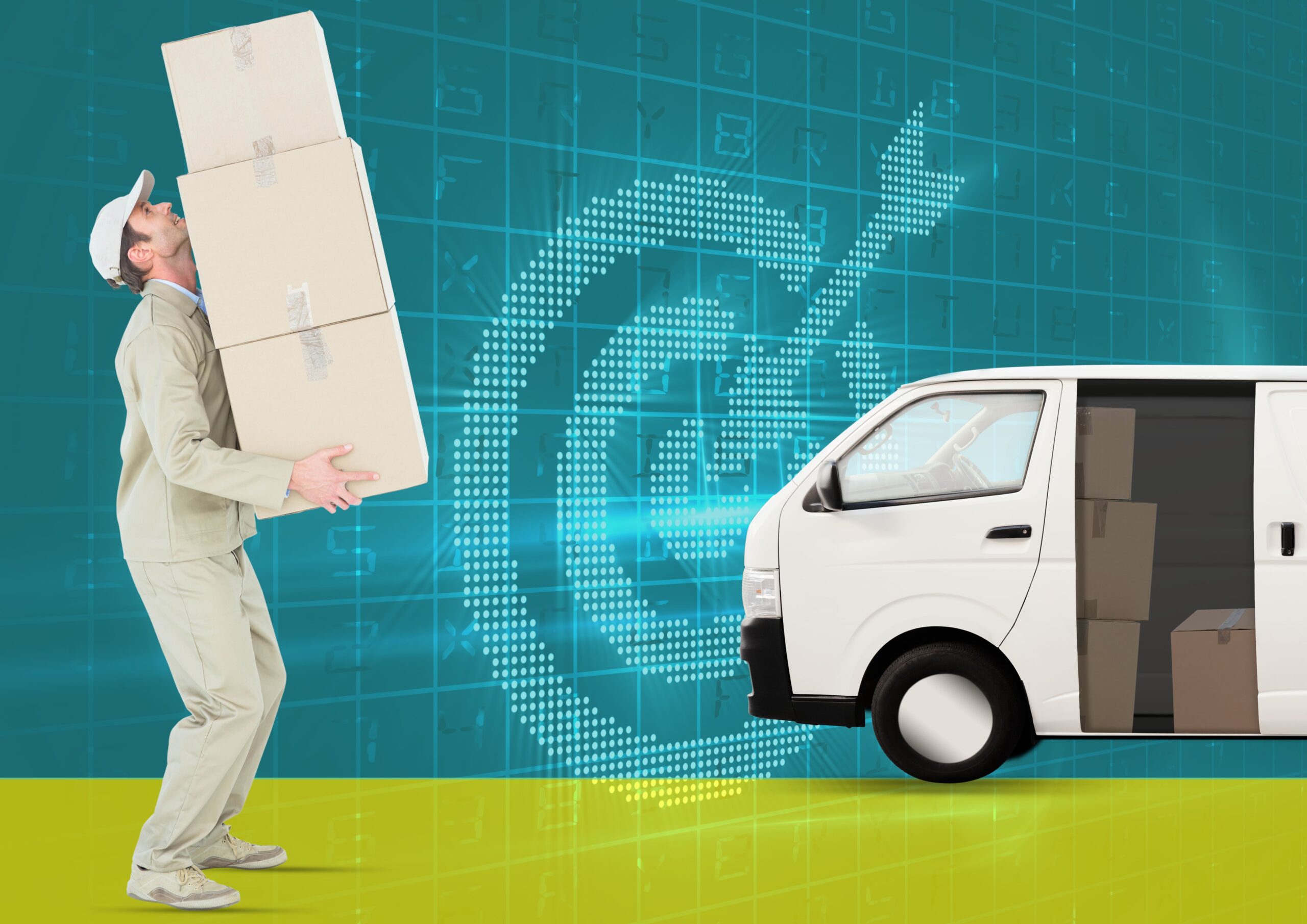
As e-commerce and on-demand services continue to grow at a rapid pace, the logistics sector is under increasing pressure to deliver faster, more efficiently, and with minimal environmental impact. Electric Vehicle (EV) fleets have emerged as a powerful solution to meet these demands while supporting India’s sustainability goals. With startups leading the charge, EV fleets are reshaping urban logistics by offering lower operating costs, zero-emission transportation, and smarter delivery systems tailored for modern commerce.
Lower Operating Costs and Higher Efficiency
Electric delivery vehicles are proving to be more economical than their fuel-powered counterparts. With significantly lower fuel and maintenance expenses, EVs reduce overall fleet operating costs over time. Startups like Zypp Electric, Magenta Mobility, and ETrio are enabling logistics providers to switch to electric by offering tailored fleet solutions, including vehicle leasing, battery swapping, and energy management services. These innovations allow businesses to maintain high delivery volumes while keeping expenses under control, particularly in last-mile delivery operations.
Eco-Friendly Logistics in Urban Centers
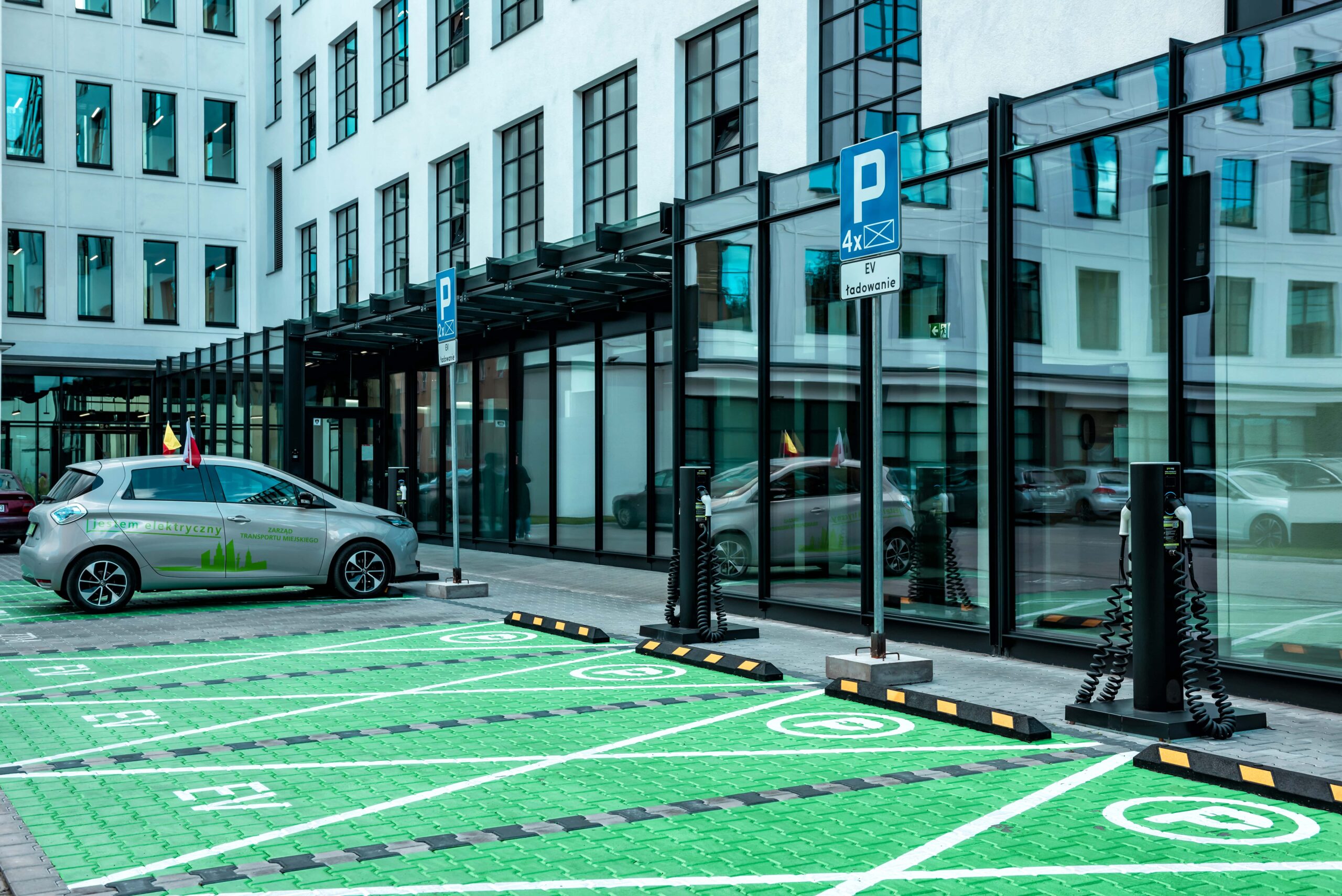
Urban areas are among the most affected by vehicular pollution and traffic congestion. EV fleets offer a zero-emission alternative, helping logistics companies lower their carbon footprint and comply with tightening environmental regulations. Cities like Delhi, Bengaluru, and Hyderabad are increasingly welcoming EV logistics operators, supporting them with incentives and infrastructure development. By replacing diesel-based delivery vehicles with electric ones, startups are making urban logistics not only cleaner but also quieter and more community-friendly.
Tech-Driven Delivery Optimization
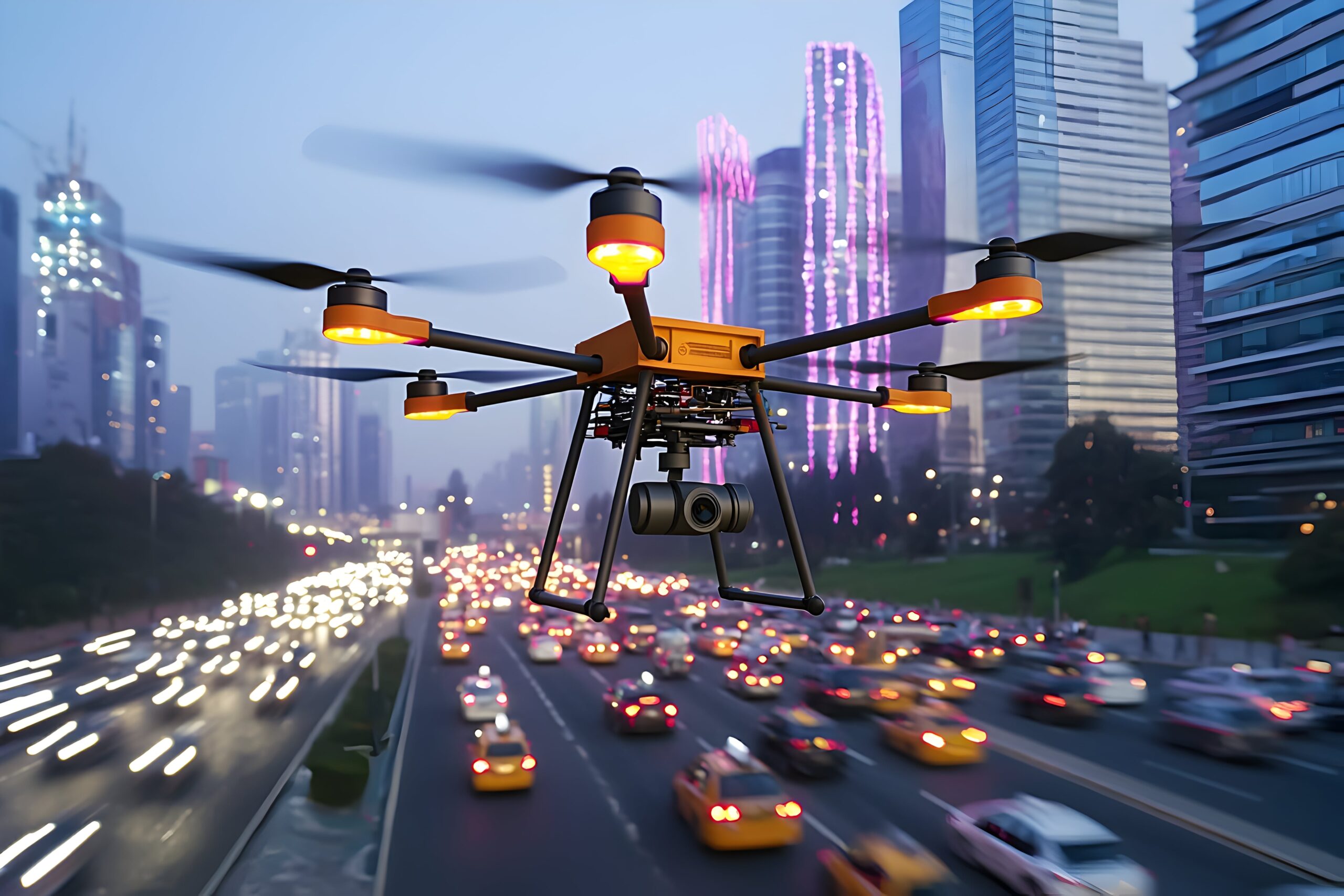
Beyond environmental and economic benefits, EV fleet startups are introducing smart technologies that enhance operational efficiency. IoT-enabled tracking, AI-based route optimization, predictive maintenance, and energy usage analytics are just a few tools being implemented to streamline delivery processes. These features help businesses improve reliability, reduce delivery times, and make data-informed decisions about fleet expansion. Startups are positioning EVs not just as vehicles, but as intelligent, connected assets within a broader logistics ecosystem.
Conclusion
EV fleets are redefining the future of sustainable delivery in India. By combining cost-efficiency, environmental responsibility, and smart technology, startups are helping the logistics industry make a clean, impactful transition. As infrastructure improves and policy support strengthens, the adoption of electric fleets is set to rise, bringing lasting benefits to businesses, cities, and the planet. The shift to EV logistics is no longer a distant goal—it’s a movement gaining momentum, one delivery at a time.
Share this content:

Post Comment