EV Drivetrain Technologies: Innovations in Motion
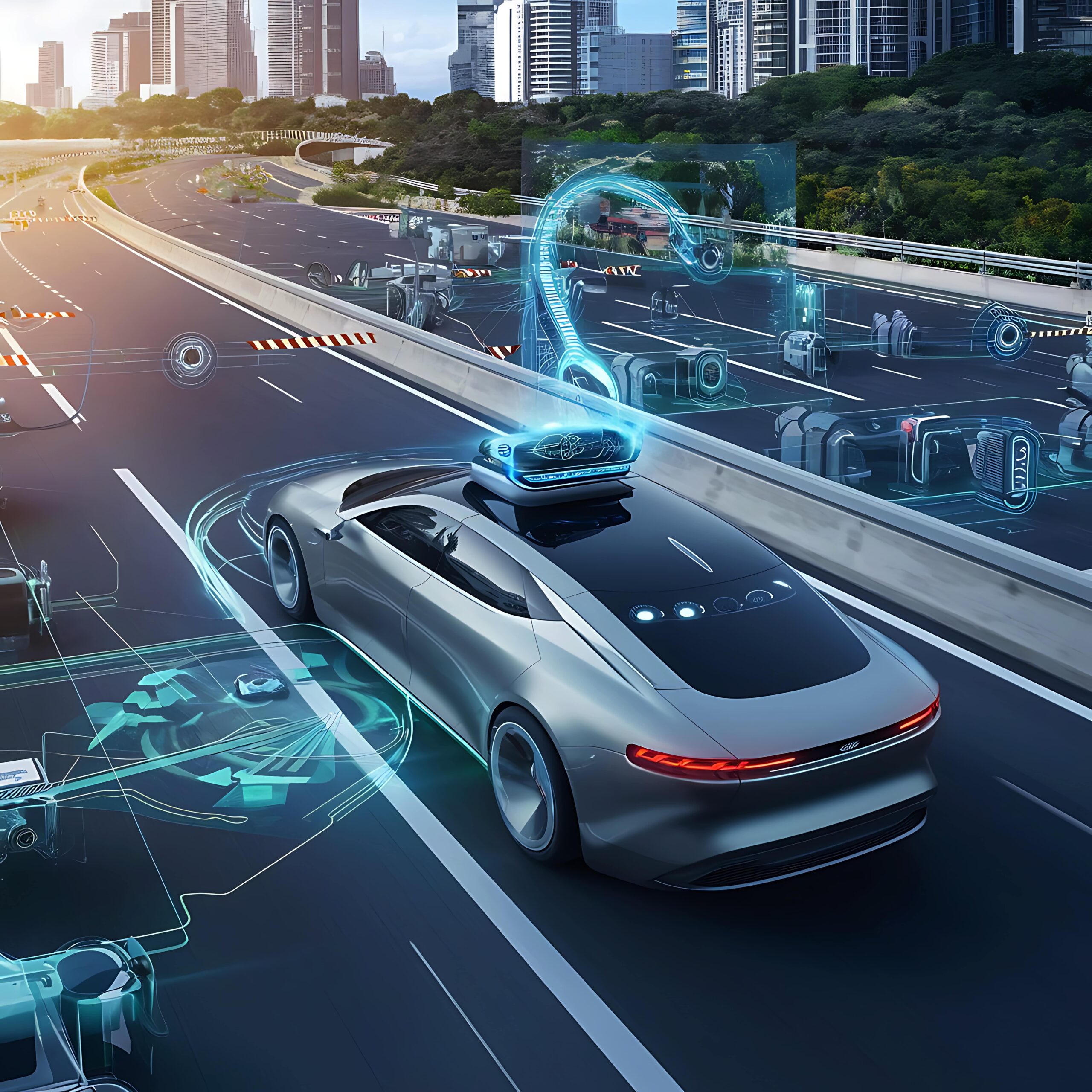
The electric vehicle (EV) industry is rapidly advancing, and at the heart of this evolution lies the drivetrain—the system responsible for converting electrical energy into mechanical motion. Unlike traditional internal combustion engine (ICE) drivetrains, EV drivetrains are simpler, quieter, and more efficient. Recent innovations in drivetrain technology are not only improving vehicle performance but also redefining how we move. From integrated motor systems to multi-motor configurations, EV drivetrains are driving the future of mobility with precision and power.
Transition from Mechanical to Electric
In conventional vehicles, the drivetrain consists of a complex set of mechanical components including the engine, transmission, clutch, and differential. EV drivetrains, in contrast, streamline this architecture. The electric motor replaces the engine, and many EVs eliminate multi-speed transmissions altogether, thanks to the wide torque range of electric motors. This transition reduces mechanical losses, improves energy efficiency, and simplifies vehicle design. Additionally, electric drivetrains require less maintenance, as they have fewer moving parts and no need for oil changes or clutch replacements.
Innovations in Motor Integration and Placement
One of the most significant innovations in EV drivetrain technology is the integration of motors directly into the wheels or axles. Known as in-wheel or e-axle systems, these designs reduce weight and free up interior space while enhancing power delivery. Automakers are also exploring dual-motor and even tri-motor configurations that allow for independent control of front and rear axles. This enables features like torque vectoring, which improves handling and stability by distributing power precisely where it’s needed. Such configurations also enhance traction in challenging driving conditions, making EVs more versatile than ever before.
Efficiency and Software Optimization
While hardware plays a major role, software is equally vital in modern EV drivetrains. Intelligent control systems monitor driving behavior, road conditions, and energy consumption in real time, adjusting power delivery for optimal performance. Regenerative braking systems have also become more advanced, using software to determine the best moments to recover energy and feed it back into the battery. With machine learning and over-the-air updates, automakers can continuously improve drivetrain efficiency and driving dynamics even after the vehicle is delivered to the customer.
Conclusion: Driving the Future with Smarter Systems
EV drivetrain technologies represent one of the most exciting frontiers in automotive innovation. As the shift from mechanical to electric continues, new designs and intelligent systems are unlocking higher levels of efficiency, performance, and control. Whether through motor integration, multi-motor setups, or AI-powered optimization, the EV drivetrain is setting the pace for the vehicles of tomorrow. For consumers, this means smoother rides, lower maintenance, and a driving experience that’s cleaner, smarter, and more connected than ever before.
Share this content:
Post Comment