Electric vs. Gas Cars: Cost Parity and Consumer Choices
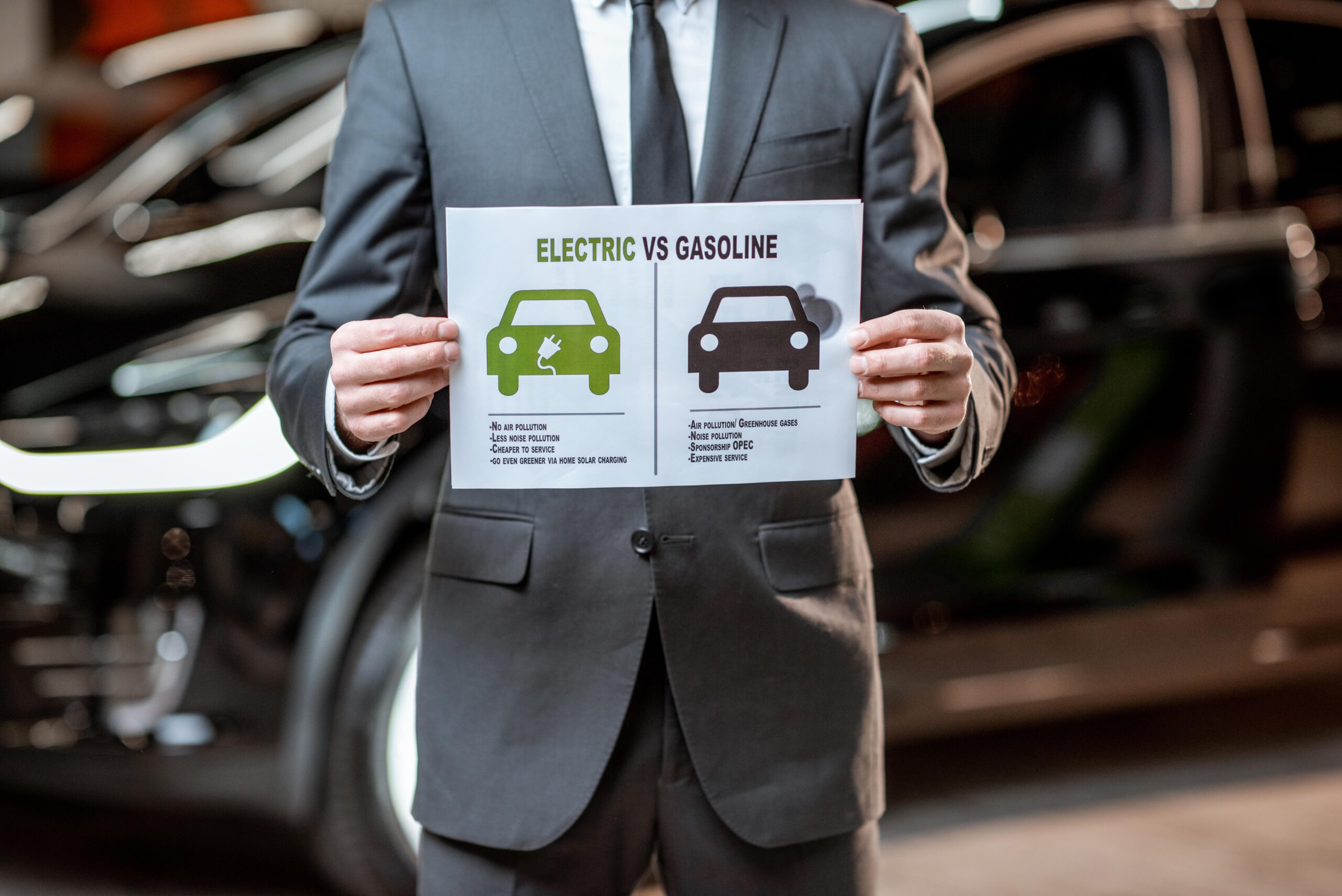
The debate between electric cars and gas-powered vehicles is no longer just about environmental impact—it is increasingly about cost parity and consumer value. As electric vehicle (EV) technology advances and ownership costs decline, consumers are re-evaluating their choices. Understanding the true cost comparison between electric and gas cars helps buyers make informed decisions about the future of personal mobility.
Upfront Cost vs. Total Cost of Ownership
Traditionally, electric cars have had higher upfront prices compared to gas vehicles. However, this gap is narrowing rapidly due to declining battery costs, government incentives, and increased competition among automakers. While EVs may still cost more initially in some markets, their total cost of ownership is often lower.
Electric cars benefit from reduced fuel expenses, lower maintenance requirements, and fewer moving parts. Gas cars, on the other hand, incur ongoing fuel costs, oil changes, and higher servicing needs, which add up significantly over time.
Operating Costs and Maintenance Savings
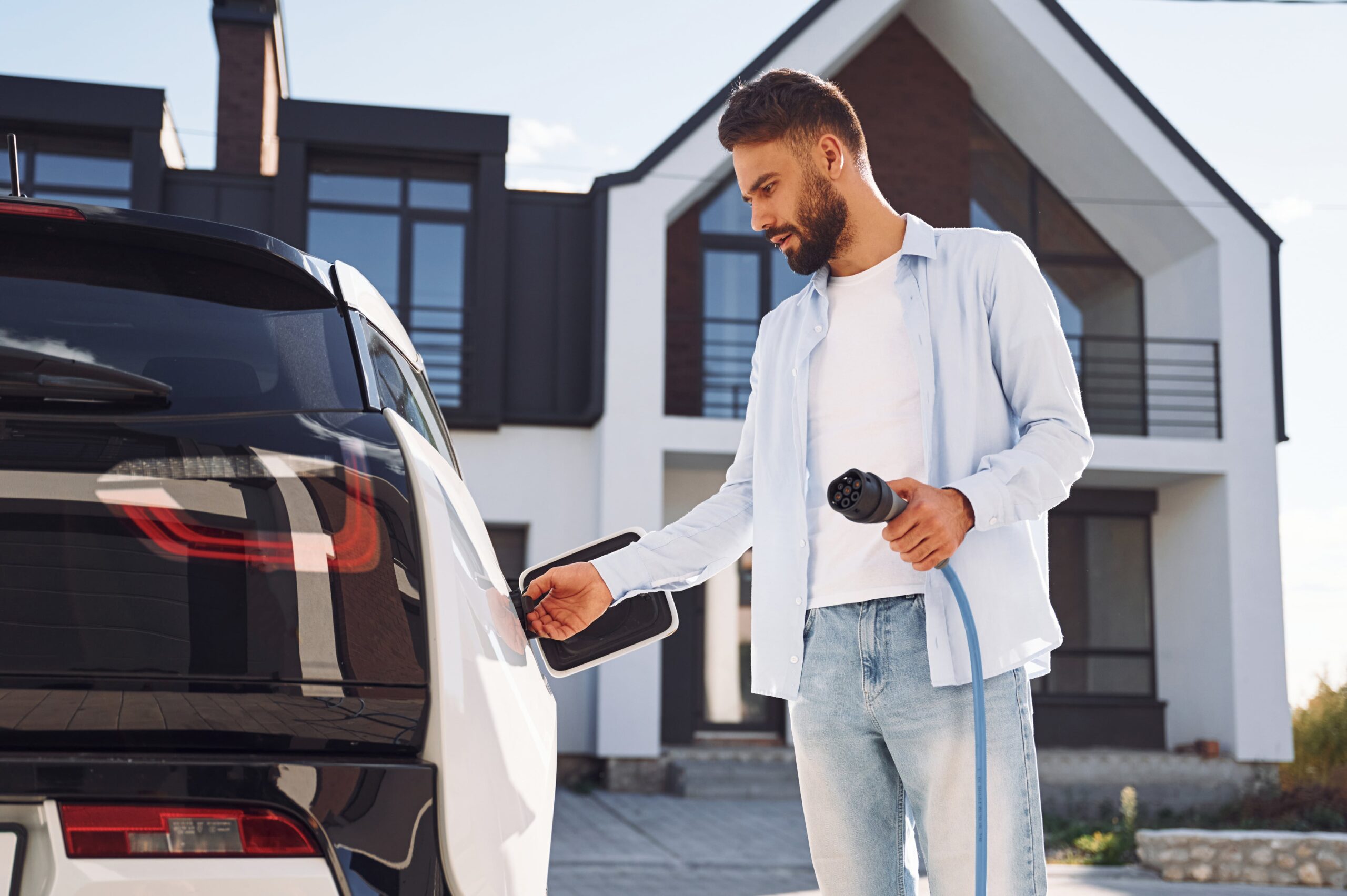
One of the strongest advantages of electric vehicles is lower operating costs. Charging an EV is generally cheaper than refueling a gas car, especially when home charging and off-peak electricity rates are used. EVs also require less maintenance because they do not need oil changes, exhaust system repairs, or complex engine servicing.
These long-term savings are making EVs increasingly attractive to cost-conscious consumers, particularly those who drive frequently or plan to keep their vehicles for several years.
Consumer Preferences and Buying Decisions
Consumer choices are shaped by more than just cost. Factors such as driving range, charging availability, performance, and environmental impact play a crucial role. Improvements in EV range, fast-charging networks, and vehicle reliability are addressing earlier concerns and building consumer confidence.
At the same time, growing awareness of climate change and emission regulations is influencing buyers to consider cleaner transportation options. As cost parity approaches, many consumers view EVs as a practical and future-ready alternative to gas cars.
Conclusion
The gap between electric and gas cars is closing, with cost parity becoming a reality in many markets. When total ownership costs, maintenance savings, and evolving consumer preferences are considered, electric vehicles are emerging as a competitive—and often superior—choice. As technology advances and infrastructure expands, EVs are set to play a central role in shaping the future of mobility.
Share this content:

Post Comment