Electric Vehicles and the Road Ahead: What the Future Holds
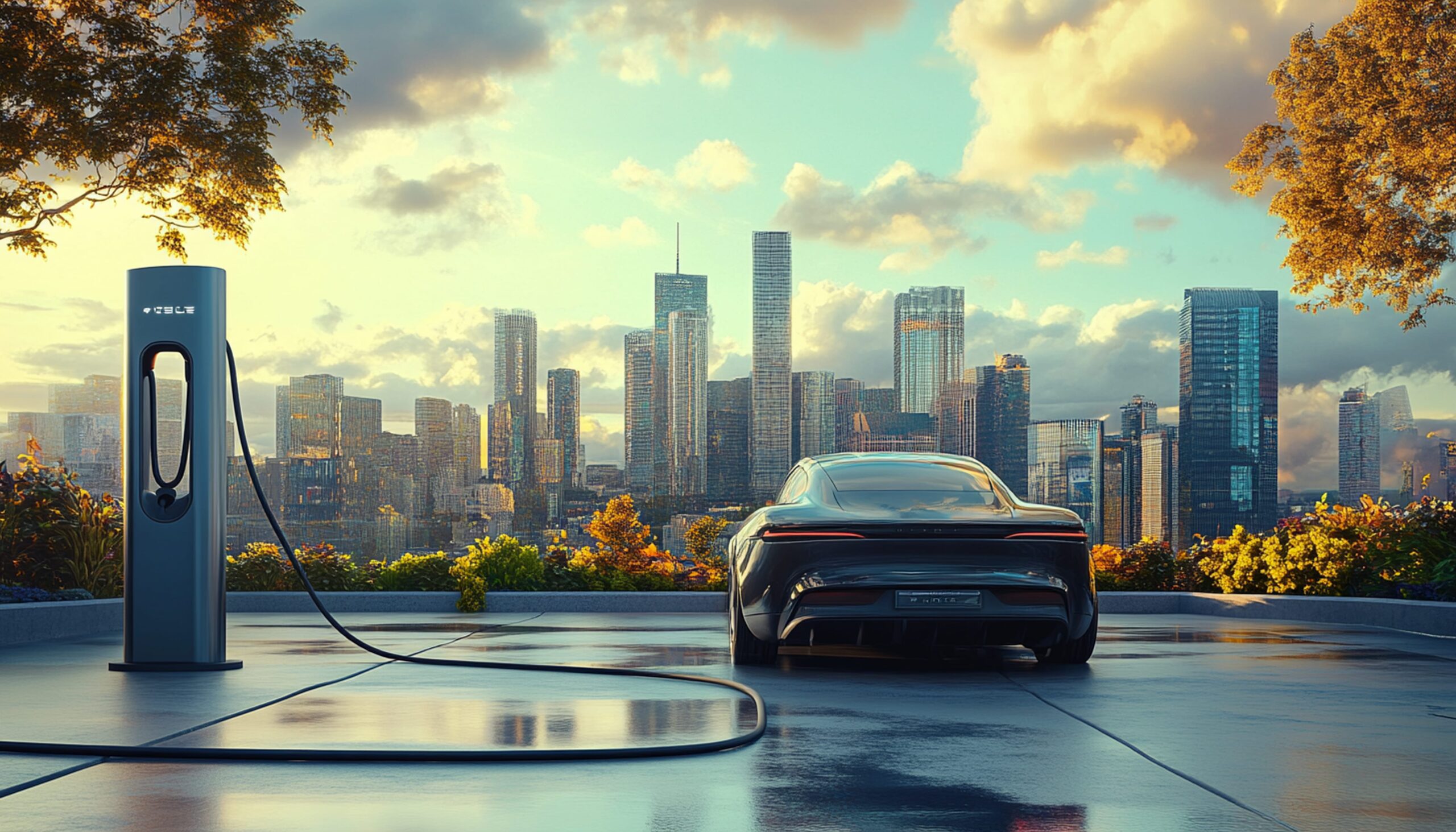
Electric vehicles (EVs) are no longer just a glimpse of a greener future—they are quickly becoming the present reality. Driven by technological innovation, environmental concerns, and supportive government policies, the EV movement in India and across the globe is accelerating at an unprecedented pace. As the automotive industry transitions from internal combustion engines to clean, efficient electric mobility, the road ahead promises not just a shift in powertrains, but a complete transformation in how we move, power, and connect.
Evolving Technology and Battery Breakthroughs
One of the most significant factors shaping the future of electric vehicles is the rapid advancement in battery technology. Innovations such as solid-state batteries, lithium-iron phosphate cells, and ultra-fast charging systems are making EVs more reliable, safer, and accessible to the mass market. Emerging startups are investing in AI-powered battery management systems that extend battery life and optimize energy consumption. These breakthroughs will significantly improve driving range, reduce charging times, and lower vehicle costs—making EVs a more practical choice for everyday users.
Expanding Infrastructure and Charging Ecosystems
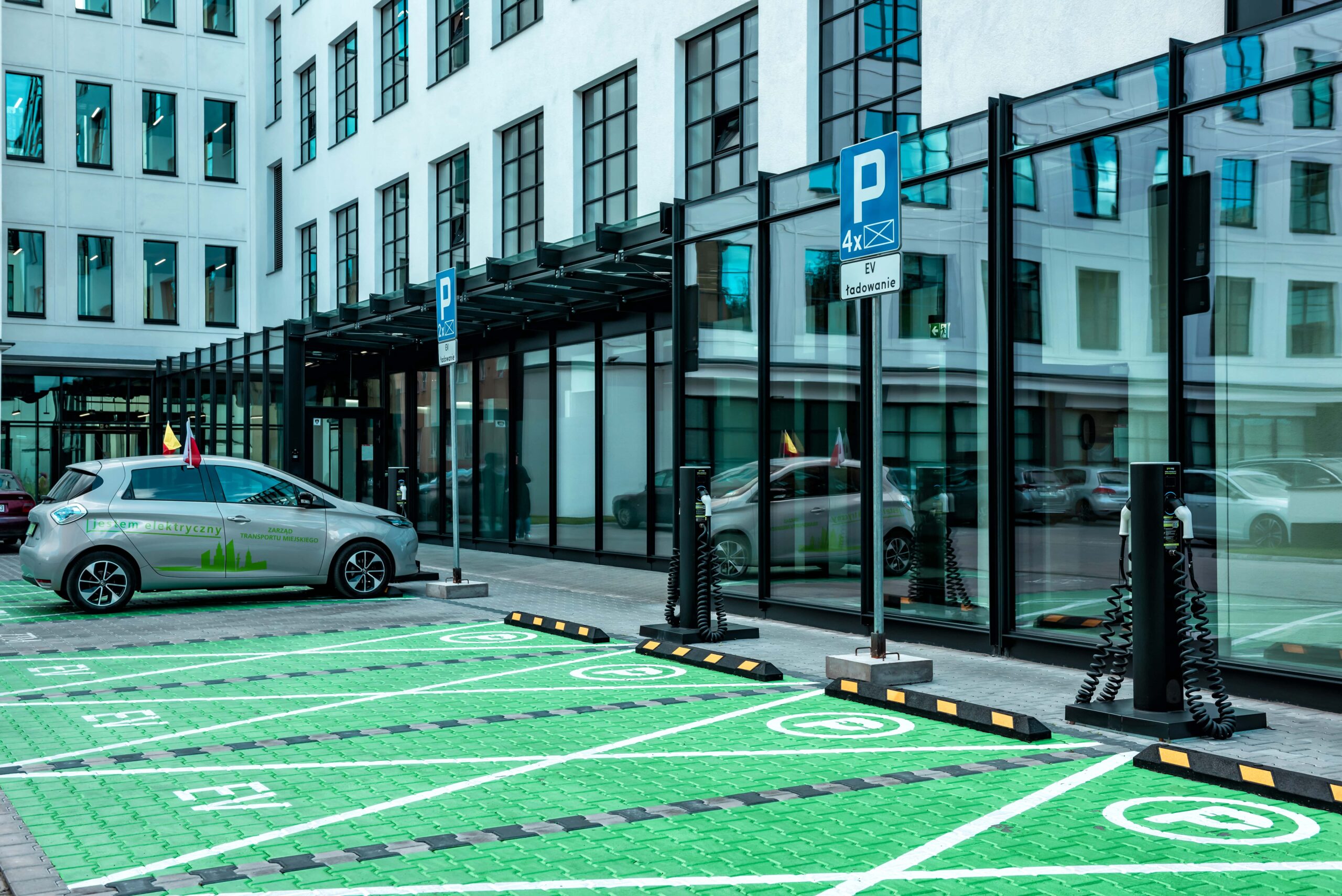
The development of nationwide EV infrastructure is crucial for large-scale adoption. In India, government-backed initiatives like FAME II and the push for public-private partnerships are leading to the establishment of thousands of charging stations across urban centers, highways, and rural routes. Battery swapping hubs, mobile charging solutions, and smart grid integration are also playing key roles. As charging networks become more widespread and efficient, the convenience of owning and operating an EV will match—and eventually surpass—that of traditional vehicles.
Policy Support and Industry Collaboration
Strong policy frameworks and industry collaboration will be instrumental in defining the future of electric mobility. Governments are offering incentives such as tax breaks, purchase subsidies, and reduced registration fees to encourage EV adoption. At the same time, automakers, tech companies, and energy providers are forming alliances to create end-to-end EV ecosystems. The integration of renewable energy sources like solar and wind into charging networks will further amplify sustainability, ensuring that electric mobility doesn’t just reduce emissions—it transforms the energy grid itself.
Conclusion
The road ahead for electric vehicles is filled with promise, innovation, and opportunity. As battery technology evolves, infrastructure expands, and policy support strengthens, EVs are set to become the mainstream choice for transportation in the coming decade. This shift will not only help combat climate change but also open new avenues for smart mobility, job creation, and sustainable economic growth. The future of transport is electric—and it’s arriving faster than ever before.
Share this content:

Post Comment