Electric Cars vs. Hybrid Cars: Which Is Better for Indian Roads?
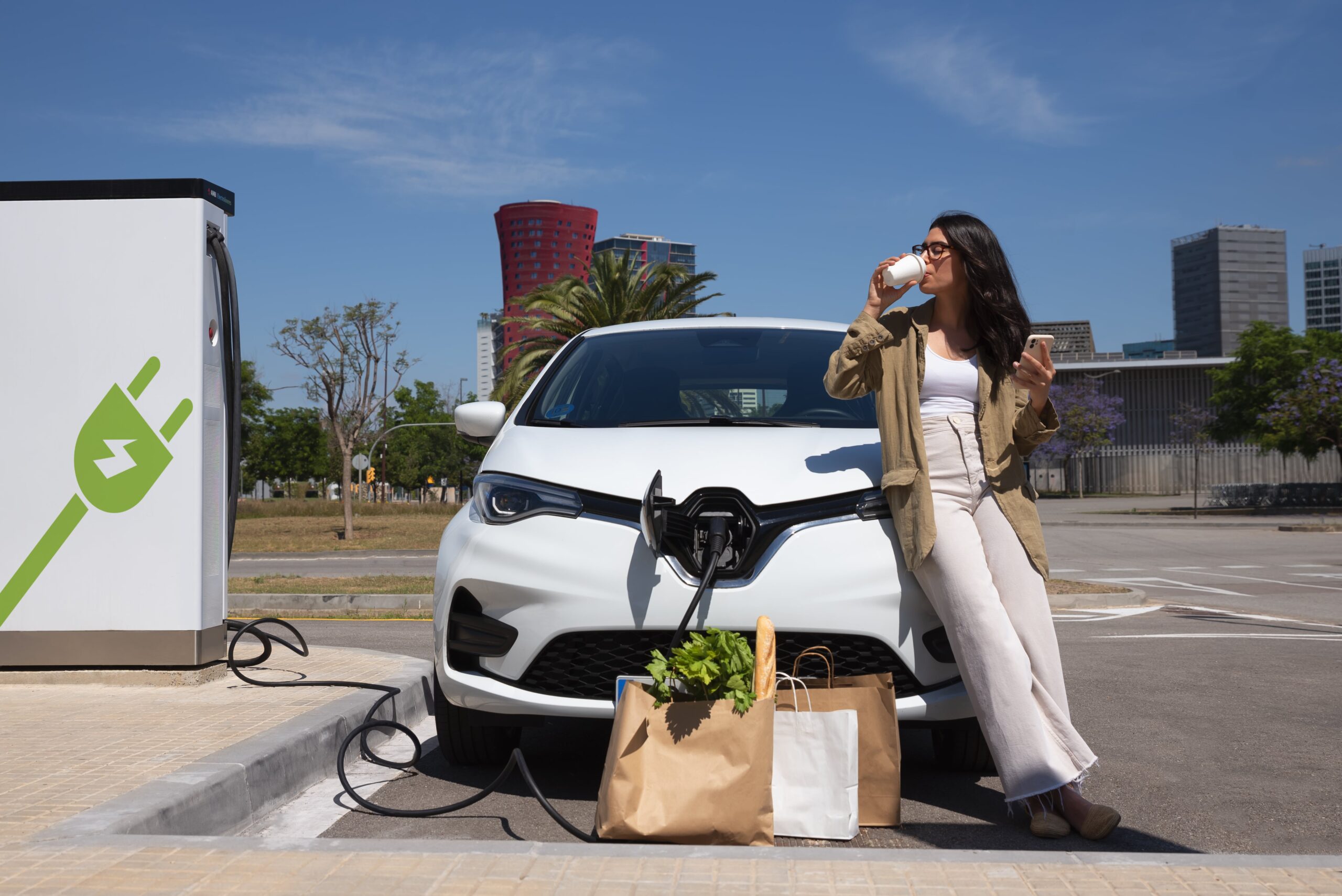
As India embraces a cleaner and more sustainable transportation future, car buyers are increasingly torn between two options: electric vehicles (EVs) and hybrid cars. Each offers unique benefits and challenges, especially in the context of Indian road conditions, infrastructure, and consumer behavior. So, which one is better suited for the Indian landscape?
Powertrain and Performance
Electric cars run solely on battery power and offer silent, smooth acceleration with zero tailpipe emissions. They are ideal for urban areas with heavy traffic and frequent stop-start driving. Hybrid cars, on the other hand, combine a traditional internal combustion engine (ICE) with an electric motor. This dual setup allows hybrids to switch between fuel and electric modes, making them highly adaptable to various driving conditions—especially beneficial for long-distance highway drives and areas with limited charging infrastructure.
Cost and Maintenance
In India, EVs generally have a higher upfront cost compared to hybrids, primarily due to battery costs. However, government subsidies, lower fuel costs, and reduced maintenance expenses often balance the equation over time. EVs have fewer moving parts, which translates to lower maintenance needs. Hybrids still rely on fuel engines and may incur higher long-term service costs, though their fuel efficiency is superior to conventional petrol or diesel cars.
Charging and Infrastructure
One of the biggest challenges for EV adoption in India is charging infrastructure. While major cities are rapidly developing EV charging networks, rural and highway coverage remains limited. This gives hybrid cars an edge—they can refuel at any petrol station and don’t require charging time. For drivers who don’t have easy access to home charging or frequently travel long distances, hybrids offer more flexibility in the current Indian context.
Conclusion: Tailoring the Choice to Indian Roads
Both electric and hybrid cars have roles to play in India’s green mobility journey. If your commute is mostly urban and you’re committed to sustainable living, an electric car can be the perfect choice—especially in cities with good charging infrastructure. However, if you’re looking for flexibility, fuel efficiency, and the convenience of traditional refueling, hybrids may suit your needs better. Ultimately, the decision depends on your driving patterns, access to charging, and long-term budget considerations. As India’s infrastructure evolves, both technologies will continue to play a key role in shaping the future of transportation.
Share this content:


Post Comment