Drone Delivery Systems: The Future of Last-Mile Logistics
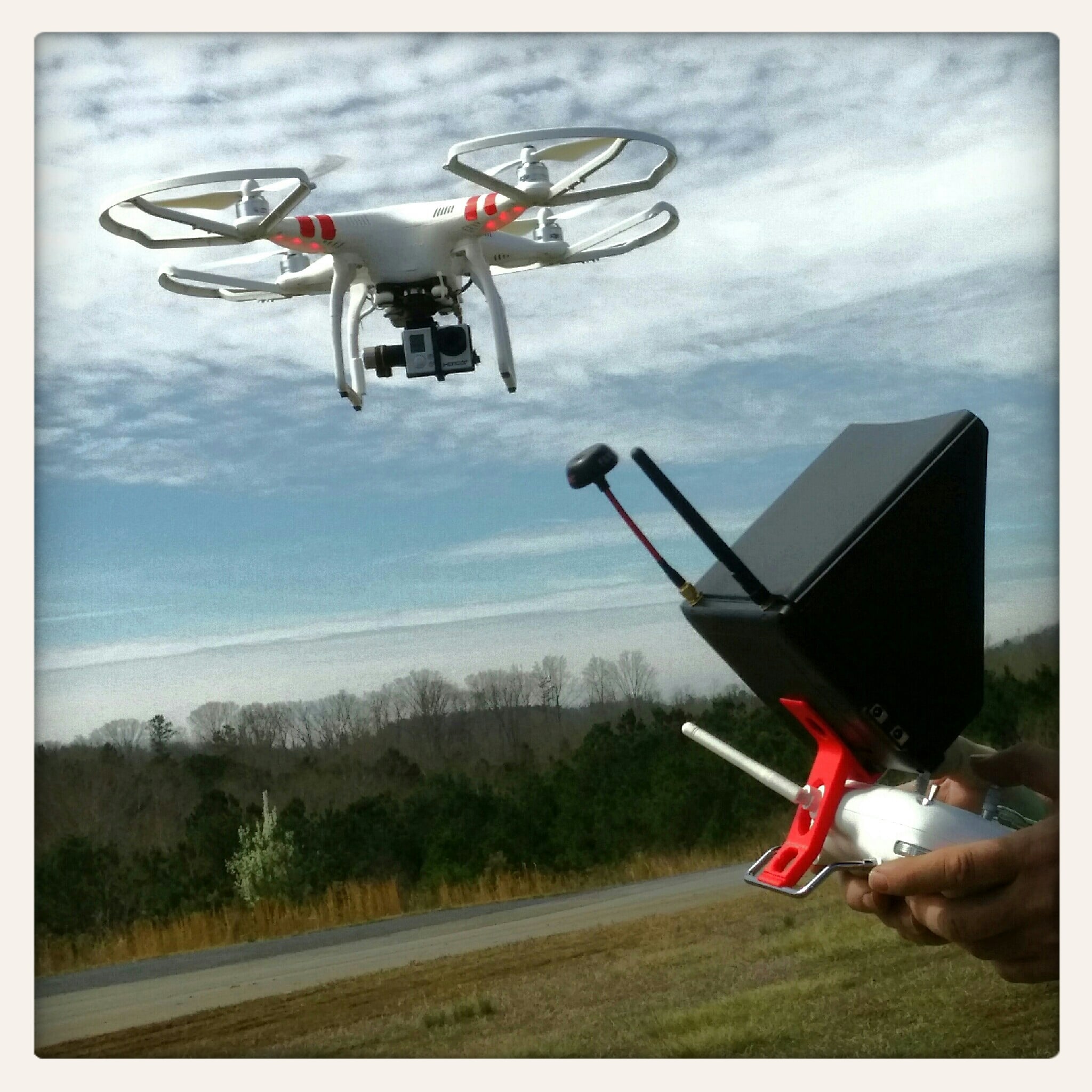
The last mile in logistics—the final step of delivering goods to the customer—is often the most time-consuming and costly. Enter drone delivery systems, which promise to revolutionize how products reach consumers, making deliveries faster, more efficient, and environmentally friendly.
Speed and Efficiency in Urban Deliveries
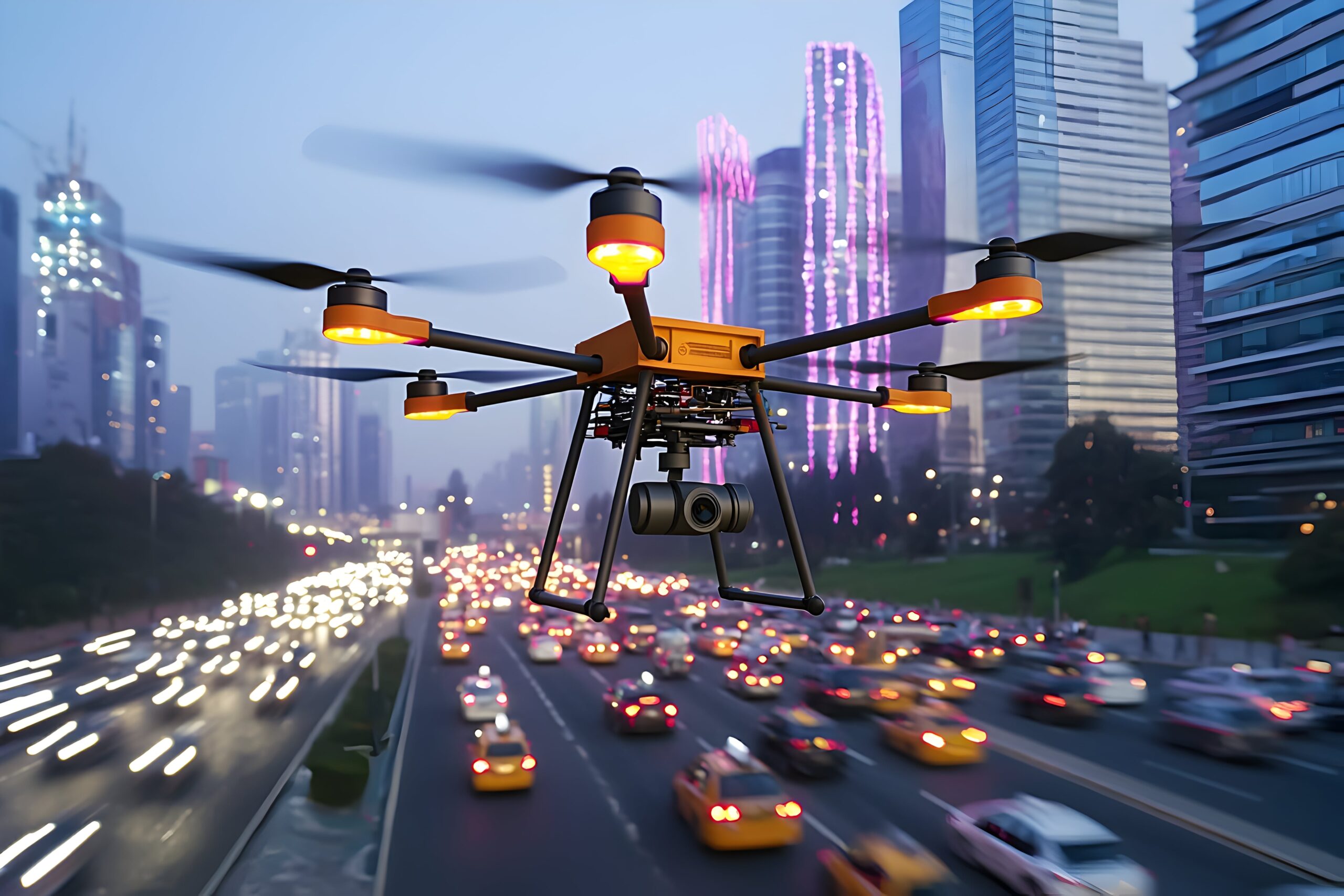
Drones can bypass traffic congestion, narrow streets, and challenging terrains, enabling faster delivery times for e-commerce, food, and medical supplies. Companies experimenting with drone logistics report significant reductions in delivery times, especially for high-priority and perishable goods.
Cost Reduction and Environmental Benefits
Traditional last-mile delivery often relies on fuel-powered vehicles, which contribute to both operational costs and carbon emissions. Drones, being electric-powered and lightweight, offer lower energy consumption and reduced greenhouse gas emissions, making them a sustainable solution for urban logistics.
Overcoming Challenges: Regulations and Technology
Despite their potential, drone delivery systems face hurdles such as airspace regulations, safety concerns, payload limitations, and battery life constraints. Companies and governments are actively developing frameworks and technologies, including AI-based navigation and automated traffic management systems, to safely integrate drones into urban logistics networks.
Conclusion
Drone delivery systems are not just futuristic concepts—they are rapidly becoming a viable solution for last-mile logistics. By combining speed, efficiency, and sustainability, drones have the potential to reshape urban delivery networks, reduce costs, and enhance customer experience. As technology and regulations evolve, the sky may soon become the new highway for logistics.
Share this content:

Post Comment