Driving Modes in EVs: What’s the Real Impact on Performance?
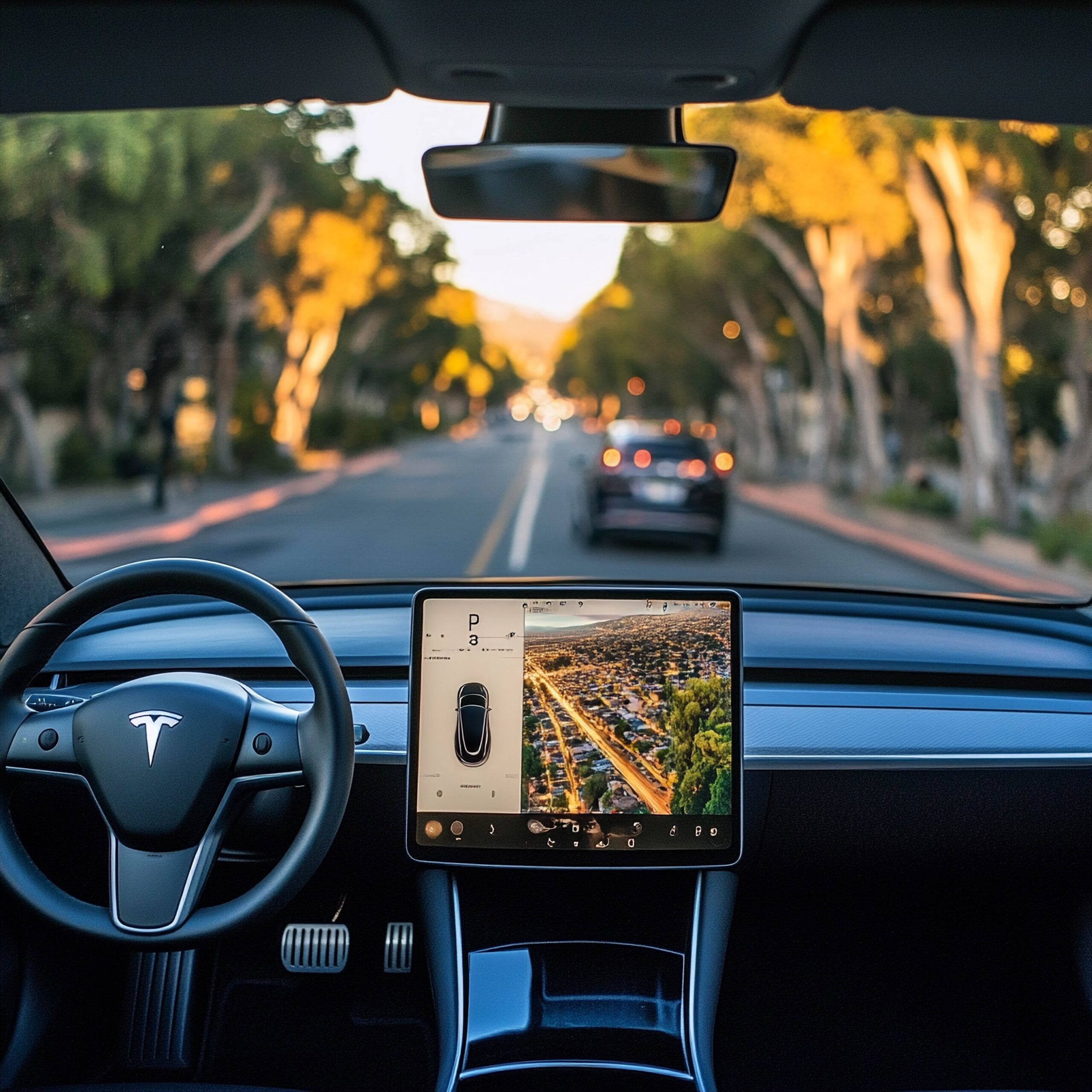
Electric vehicles (EVs) come equipped with multiple driving modes that alter performance, efficiency, and driving dynamics. These modes allow drivers to tailor their experience, but how significant is their impact on real-world performance?
Eco Mode: Maximizing Range and Efficiency
Eco mode focuses on energy conservation by reducing motor output, limiting acceleration, and optimizing climate control settings. This mode is ideal for city driving or long trips where maximizing range is the priority. While it sacrifices speed and responsiveness, it ensures the best possible battery usage, extending driving range by 10–15% in many cases.
Sport Mode: Power and Performance Unleashed
Sport mode delivers the full potential of an EV’s electric motor, offering instant torque, quicker acceleration, and enhanced throttle response. This mode appeals to enthusiasts who enjoy spirited driving. However, it significantly increases energy consumption and reduces range, making it suitable only for short drives or when performance is the priority.
Normal Mode: The Balanced Approach
Normal mode strikes a balance between efficiency and performance. It provides adequate acceleration and moderate energy consumption, making it the go-to mode for everyday driving. Many EVs also include adaptive settings that adjust performance based on road conditions, ensuring comfort without compromising too much on efficiency.
Conclusion
Driving modes in EVs have a real and measurable impact on performance and range. Eco mode maximizes efficiency, Sport mode prioritizes power, and Normal mode offers a balanced experience. Choosing the right mode depends on your driving needs—whether it’s conserving battery on long trips or enjoying dynamic performance on open roads.
Share this content:


Post Comment