Chinese EV Makers vs. Legacy Automakers: Market Competition

The global electric vehicle (EV) market is witnessing intense competition as Chinese EV manufacturers rapidly challenge legacy automakers that have dominated the automotive industry for decades.
With aggressive pricing, fast innovation cycles, and strong government support, Chinese EV makers are reshaping global market dynamics, forcing traditional automakers to rethink strategies, investments, and product offerings.
Rise of Chinese EV Manufacturers
Chinese EV makers have emerged as global leaders by focusing exclusively on electric mobility from the outset. Companies have leveraged advanced battery technology, vertically integrated supply chains, and large-scale manufacturing to deliver cost-effective EVs at speed. Strong domestic demand, combined with government incentives and infrastructure development, has enabled Chinese brands to scale rapidly and expand into international markets.
These manufacturers are also quick to adopt new technologies, including smart connectivity, AI-driven features, and over-the-air software updates, allowing them to stay ahead in innovation and consumer appeal.
Challenges Facing Legacy Automakers
Legacy automakers bring decades of experience, global brand recognition, and established dealer networks. However, transitioning from internal combustion engine vehicles to EVs presents significant challenges. High retooling costs, complex supply chains, and slower decision-making processes have, in some cases, delayed their EV rollout.
While traditional automakers are investing heavily in electrification, battery plants, and new platforms, they face pressure to match the speed, pricing, and technological agility of Chinese competitors—especially in mass-market segments.
Global Market Impact and Competitive Landscape
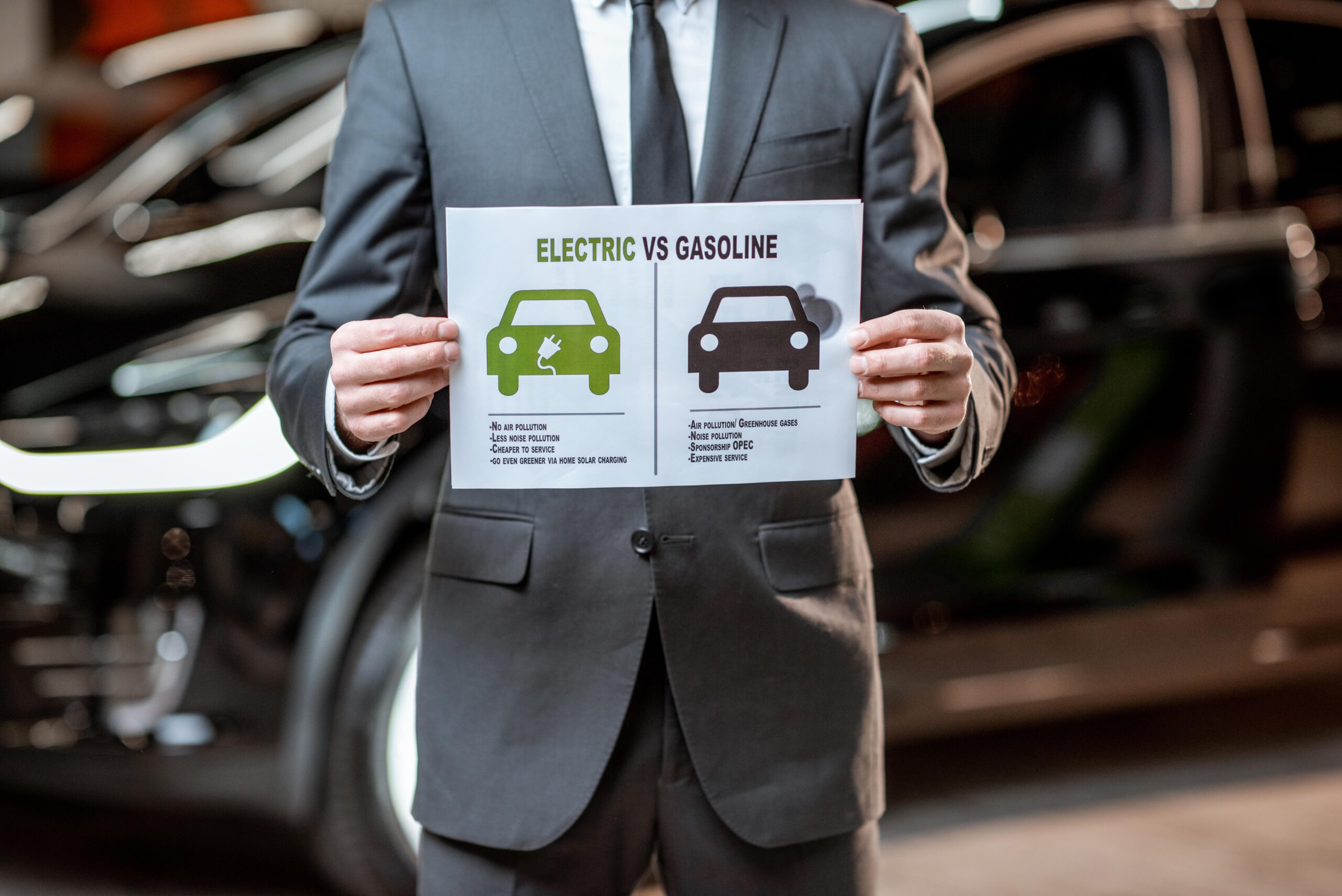
The competition between Chinese EV makers and legacy automakers is intensifying across Europe, Asia, and emerging markets. Chinese brands are gaining market share with affordable, feature-rich EVs, while legacy automakers are focusing on brand trust, safety standards, and premium offerings.
This rivalry is accelerating innovation, driving down costs, and expanding consumer choice. Governments and regulators are also closely watching the competition, balancing trade policies, local manufacturing interests, and sustainability goals.
Conclusion
The battle between Chinese EV makers and legacy automakers is redefining the global automotive industry. While Chinese manufacturers excel in speed, affordability, and innovation, legacy automakers bring scale, heritage, and global reach. As competition intensifies, consumers stand to benefit from better technology, lower prices, and a faster transition to electric mobility—shaping the future of transportation worldwide.
Share this content:

Post Comment