Challenges in Building a Nationwide EV Charging Infrastructure
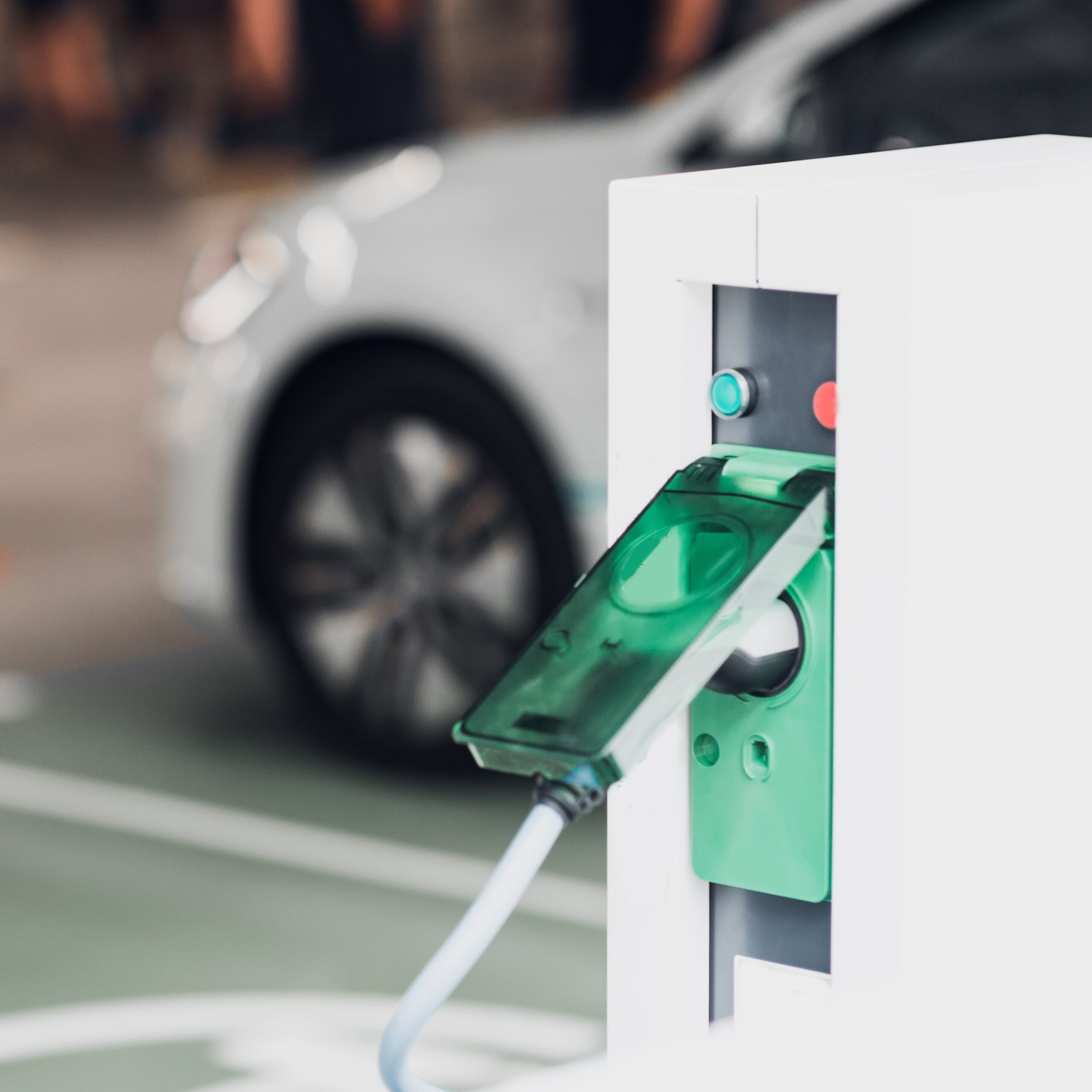
The electric vehicle (EV) revolution is gaining momentum worldwide, driven by sustainability goals, government incentives, and consumer demand for cleaner transportation. However, one of the biggest hurdles to mass EV adoption is the availability of a reliable, extensive, and efficient charging infrastructure. Building a nationwide EV charging network is easier said than done—it comes with several logistical, financial, and technological challenges.
High Capital Investment and Economic Viability
Establishing a nationwide EV charging infrastructure requires substantial capital investment. Fast-charging stations, in particular, involve high installation and equipment costs, including grid upgrades and advanced chargers. For investors, the return on investment can be uncertain, especially in regions with low EV adoption rates. This financial risk slows down expansion, as private players often hesitate without strong government incentives or subsidies to balance initial expenses.
Grid Capacity and Energy Management Issues
One of the most critical challenges is ensuring that the power grid can handle the additional load from widespread EV charging. Fast chargers draw significant amounts of electricity, which can strain local grids and lead to outages if not managed properly. Smart energy solutions, load balancing, and renewable energy integration are essential, but implementing them at scale is complex and costly. Furthermore, peak-hour charging could create demand spikes, increasing operational challenges for utility companies.
Geographical and Accessibility Barriers
A nationwide network must cater to both urban and rural areas. While urban regions are easier to equip with charging stations due to higher population density and infrastructure availability, rural areas pose significant challenges. Remote locations often lack the necessary electrical infrastructure, making installation more expensive and time-consuming. Additionally, ensuring interoperability among different charging networks and payment systems adds another layer of complexity to creating a seamless user experience.
Conclusion
Building a nationwide EV charging infrastructure is a monumental task that requires collaboration between governments, private companies, utility providers, and technology innovators. While challenges such as high costs, grid limitations, and accessibility hurdles remain, strategic planning, policy support, and technological advancements can pave the way for a robust and sustainable EV charging network. The future of EV adoption depends on overcoming these barriers and ensuring that charging is as convenient and widespread as fueling traditional vehicles.
Share this content:



Post Comment