Buying an EV for Rural India: What You Need to Know
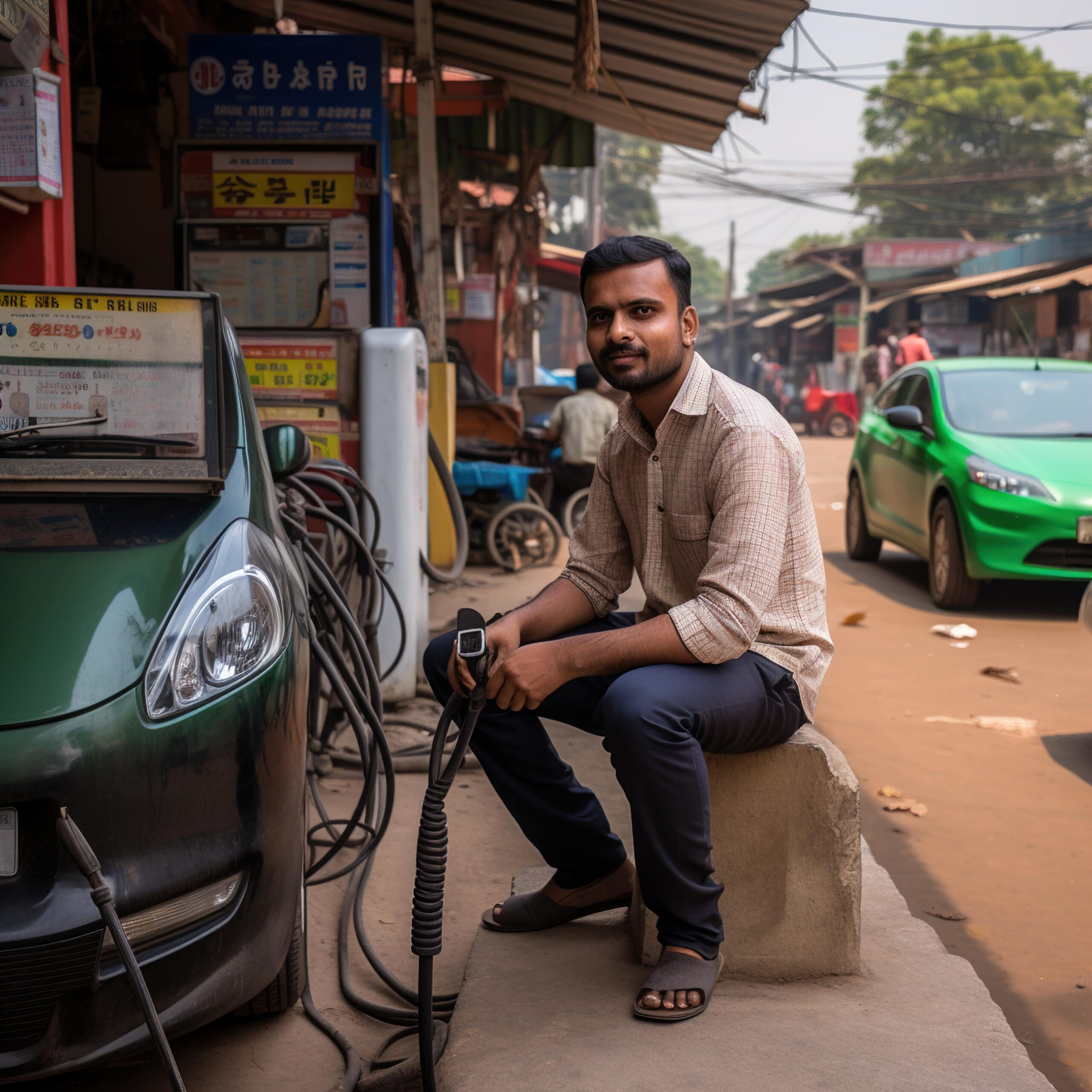
Electric vehicles (EVs) are no longer limited to big cities; they’re making inroads into rural India as well. With rising fuel costs and increasing government support, many rural consumers and businesses are considering EVs as a viable alternative to petrol and diesel vehicles. However, buying an EV in rural areas involves some unique factors that prospective owners should carefully evaluate.
Assessing Charging Infrastructure and Range
One of the biggest challenges in rural India is limited charging infrastructure. Before purchasing an EV, check the availability of public charging stations in your area or nearby towns. Many manufacturers offer portable or home-charging units, which can be a good solution where grid power is reliable. Also, prioritise EV models with a higher range per charge to ensure you’re not stranded during long trips or in areas with poor connectivity.
Choosing the Right Type of EV for Rural Needs
Rural mobility requirements differ from urban settings. For personal use, electric two-wheelers and three-wheelers can be affordable and practical options, especially for daily commutes or small-scale transport. For businesses, electric three-wheelers or small electric goods carriers can help reduce operating costs for deliveries or agricultural activities. Make sure the vehicle you choose has sturdy build quality and can handle rural roads and heavier loads if needed.
Understanding Costs, Incentives, and Maintenance
While EVs can have a higher upfront price, government subsidies and state-level incentives help bring costs down. Check whether your chosen model qualifies for schemes like FAME-II or state EV policies, which often offer direct purchase incentives or tax benefits. Maintenance costs for EVs are generally lower than petrol or diesel vehicles due to fewer moving parts, but battery replacement and care are critical. Look for models with good warranty coverage on batteries and after-sales service networks in your region.
Conclusion
Buying an EV for rural India can be a smart long-term investment if you plan ahead. Evaluate the charging infrastructure, choose a model suited to rural conditions, and take advantage of available subsidies and warranty options. With the right choice, electric vehicles can reduce your running costs, support cleaner mobility, and bring modern convenience to rural transport needs.
Share this content:

Post Comment