BMS (Battery Management System): The Brain of an EV
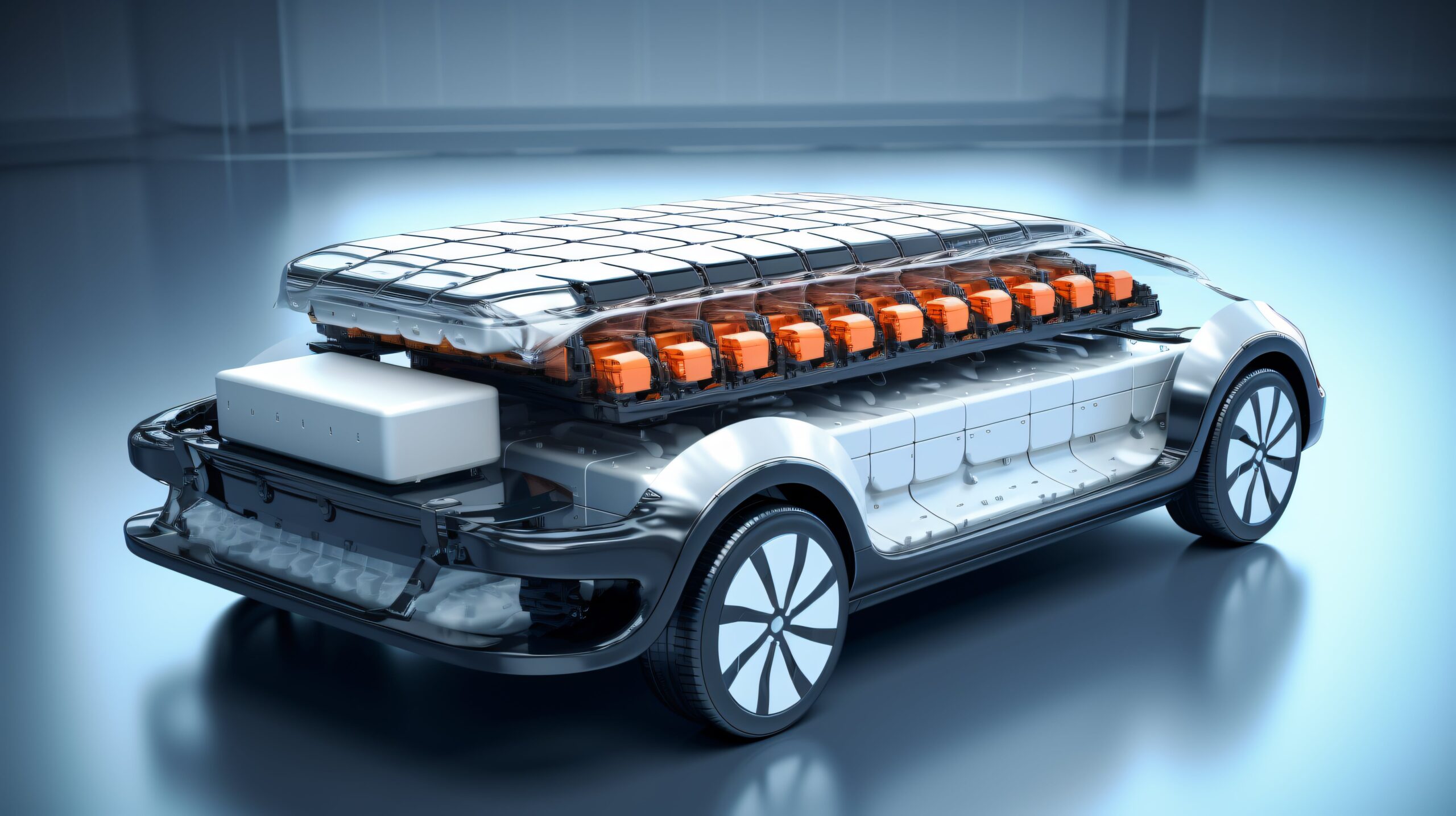
In an electric vehicle (EV), the battery is the heart—but the Battery Management System (BMS) is the brain. While the battery stores the energy that powers the car, the BMS ensures that energy is used efficiently, safely, and reliably. It oversees the health, performance, and safety of the battery, making it one of the most critical components in any EV. As battery technology advances, so too does the complexity and intelligence of BMS solutions, shaping the future of electric mobility.
Monitoring and Protecting the Battery
The primary role of the BMS is to continuously monitor the battery’s key parameters, including voltage, current, temperature, and state of charge. By collecting real-time data from each cell or module, the BMS ensures that the battery operates within safe limits. If it detects any irregularities—such as overheating, overcharging, or excessive discharge—it triggers protective mechanisms to prevent damage or failure. This protection not only extends the battery’s lifespan but also ensures the safety of the vehicle and its occupants, making the BMS essential for dependable EV operation.
Balancing and Energy Optimization
In a large battery pack, imbalances between individual cells can develop over time, leading to inefficient performance and reduced capacity. The BMS addresses this through a process called cell balancing, which ensures that all cells maintain similar charge levels. This balancing improves overall energy efficiency and prevents weaker cells from degrading faster than the rest. In addition to balancing, the BMS uses algorithms to estimate the state of charge (SOC) and state of health (SOH), helping the vehicle optimize power usage and driving range under different conditions.
Communication and System Integration
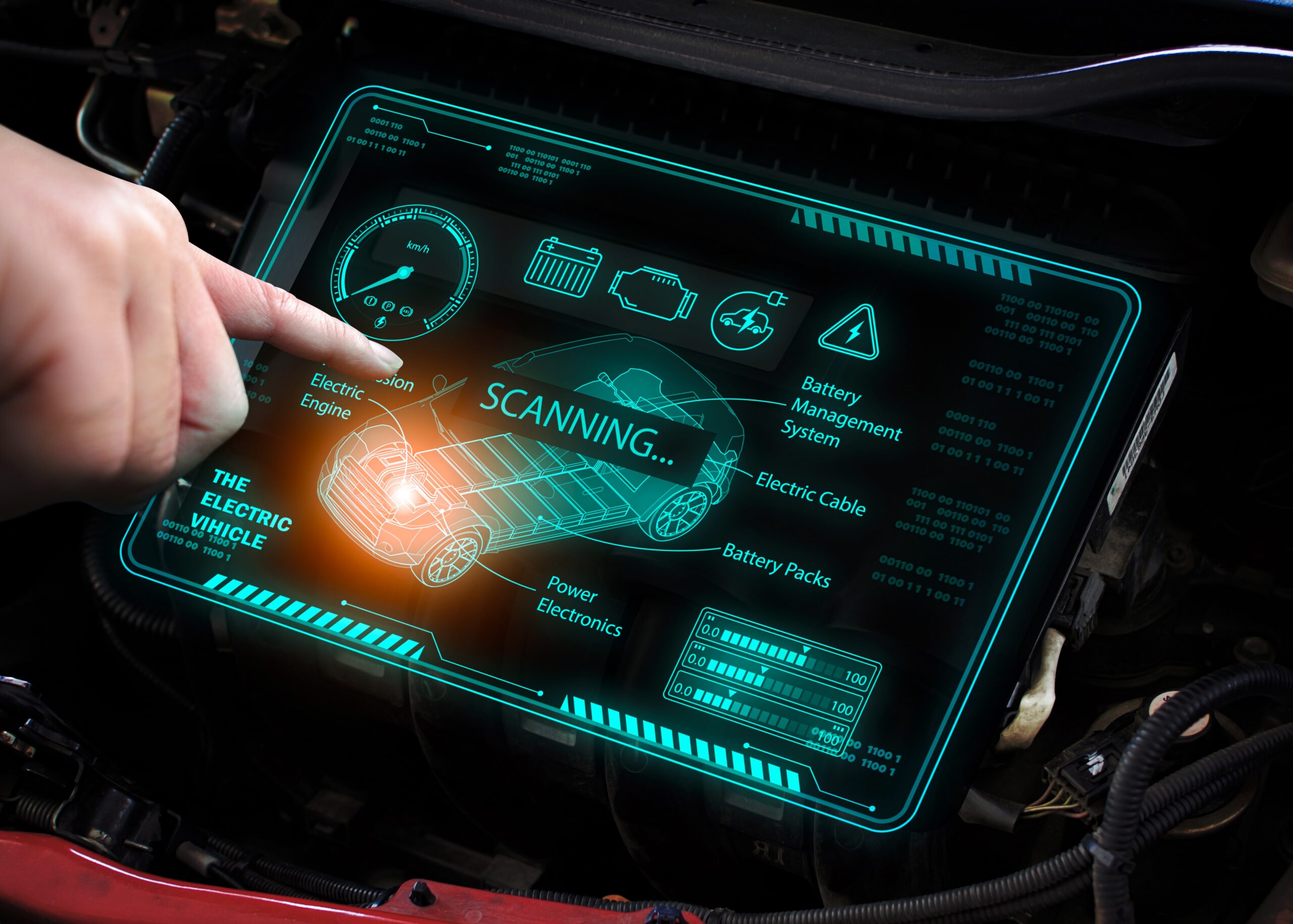
Modern BMS units are more than just monitoring devices—they are intelligent systems that communicate with the EV’s motor controller, charger, and dashboard. Through data exchange, the BMS helps the vehicle make real-time decisions, such as limiting acceleration when the battery is low or adjusting regenerative braking based on battery temperature. It also supports fast charging by regulating how much current the battery can safely accept. With the rise of connected EVs, BMS systems are now capable of receiving software updates, running diagnostics remotely, and providing detailed analytics to both manufacturers and users.
Conclusion: Powering Intelligence in Electric Vehicles
The Battery Management System is the unsung hero of electric vehicles. It silently manages the health, efficiency, and safety of the most valuable component—the battery. As EVs continue to evolve, the intelligence and capabilities of BMS technology will become even more central to their success. By ensuring optimal performance and long-term reliability, the BMS truly acts as the brain of the EV, making smart electric mobility possible for today and the future.
Share this content:

Post Comment