Battery Swapping vs. EV Fast Charging: Which is More Efficient?
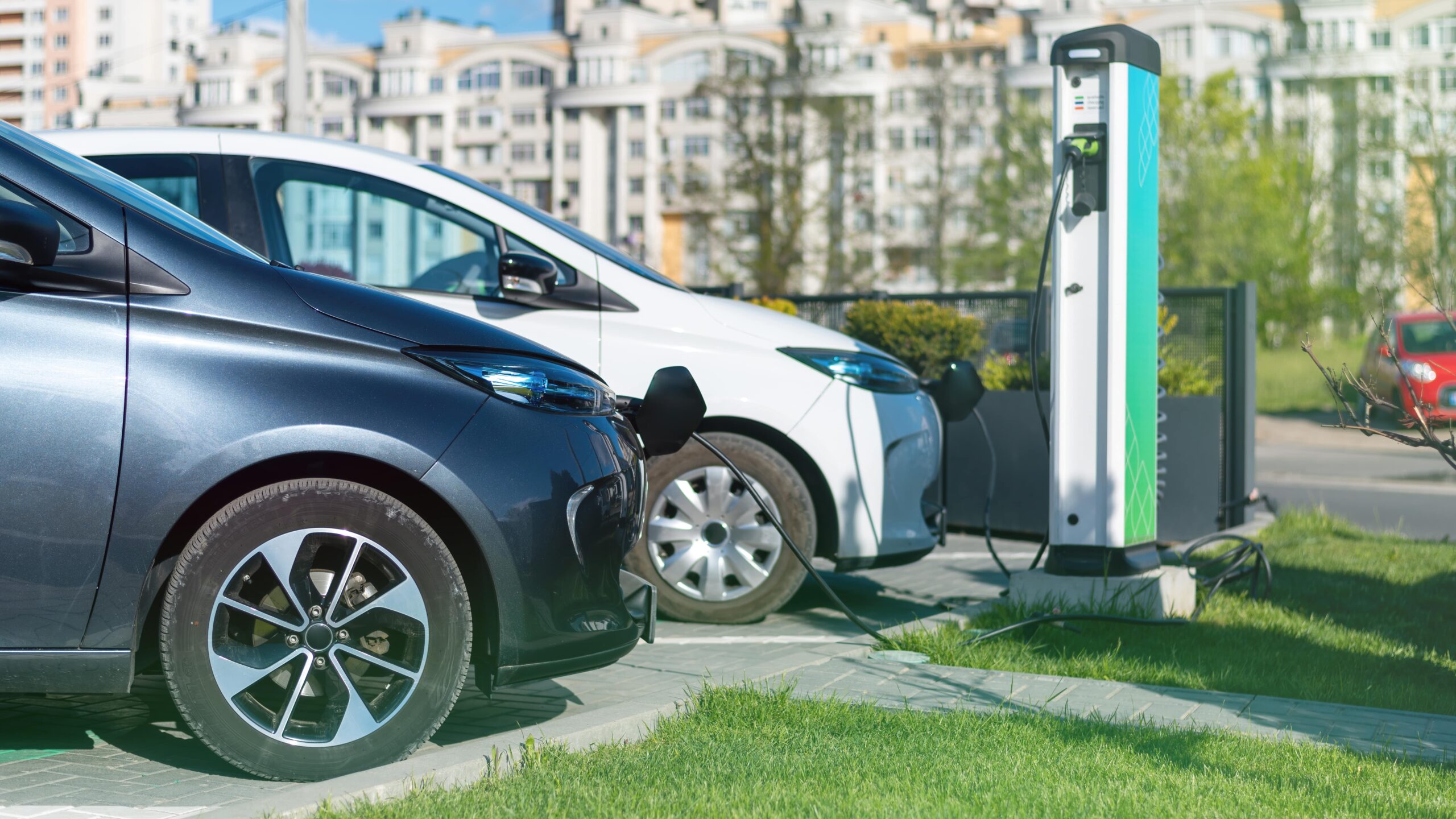
As the demand for electric vehicles (EVs) continues to grow in India, two popular methods of powering EVs are gaining traction: battery swapping and fast charging. Both aim to reduce downtime and improve user convenience, but each comes with unique advantages and limitations. This guide compares the two to help understand which is more efficient under different scenarios.
Speed and Convenience
Battery swapping allows EV users to exchange their depleted battery with a fully charged one at a swapping station in just 2 to 5 minutes. This makes it significantly faster than even the fastest EV charging options available. It’s ideal for commercial fleets, delivery vehicles, and public transport systems where time efficiency is crucial.
Fast charging, on the other hand, takes 30 minutes to an hour to charge up to 80% of a battery using DC charging infrastructure. Though slower than swapping, it is still much faster than standard AC charging and suitable for private EV owners and long-distance travelers needing a quick top-up.
Infrastructure and Implementation
Battery swapping requires standardized battery designs, swapping stations, and a large inventory of charged batteries. This limits its scalability unless there is industry-wide collaboration on battery standards. It is currently being adopted by startups and fleet operators using smaller EVs like two- and three-wheelers.
Fast charging stations are easier to implement due to compatibility with most modern EVs. However, they require high power grids and involve significant installation and operational costs. As government support increases, fast chargers are becoming more common along highways and urban zones.
Cost and Maintenance
Battery swapping can reduce upfront costs for EV buyers since they don’t need to own the battery — a major portion of the vehicle’s price. However, the long-term costs include battery subscription models and operational logistics for providers.
Fast charging is more straightforward. Users typically pay per kWh used, and charging happens with their own battery. However, frequent fast charging may affect battery lifespan due to heat and rapid energy flow, leading to higher long-term maintenance.
Conclusion
Battery swapping is highly efficient for commercial users needing minimal downtime, while fast charging is more suited for private EV owners prioritizing convenience and compatibility. As India’s EV ecosystem evolves, both technologies will likely coexist — with battery swapping thriving in fleet operations and fast charging dominating the consumer market. The right choice depends on usage patterns, scalability needs, and infrastructure accessibility.
Share this content:


Post Comment