Autonomous EVs in India: How Close Are We to Self-Driving Cars?
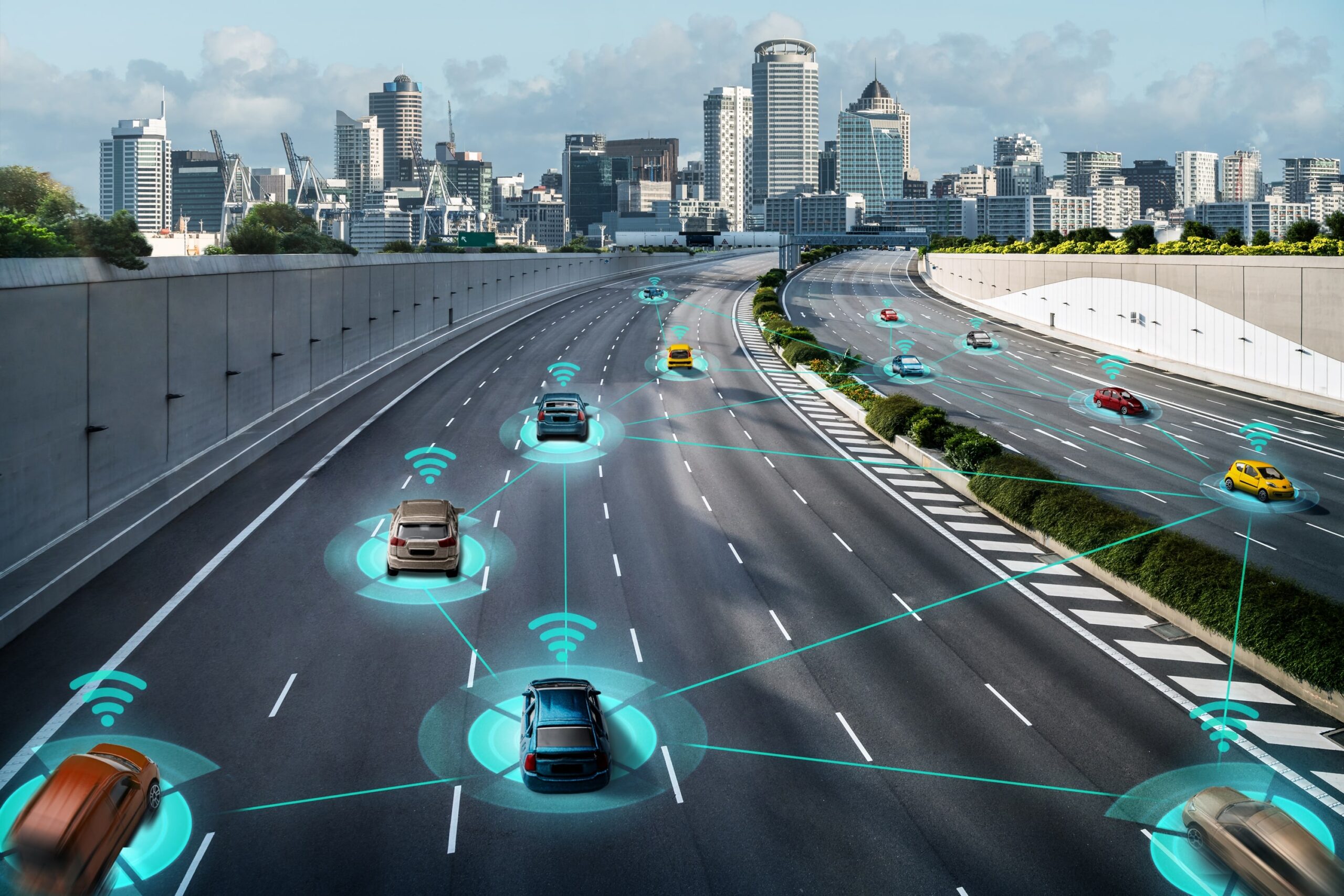
The global automotive industry is rapidly evolving, and India is slowly catching up to the future of mobility—Autonomous Electric Vehicles (EVs). While self-driving cars have gained traction in the West, India presents a unique set of challenges and opportunities. So, how close are we to seeing autonomous EVs on Indian roads?
The Current State of EV and AI Integration
India has made impressive strides in electric mobility, with EV adoption rising across two-wheelers, cars, and commercial fleets. However, adding autonomous capabilities to EVs remains limited. A few startups and tech companies like Tata Elxsi and Minus Zero are experimenting with AI-driven mobility solutions, but full autonomy (Level 4 or 5) is still in a nascent stage. Most Indian vehicles with “autonomous” features currently offer Level 1 or Level 2 assistance like adaptive cruise control and lane assist, not full self-driving functionality.
Key Challenges Slowing Progress
India’s complex driving environment—with unstructured roads, mixed traffic, unpredictable pedestrians, and variable weather—makes autonomous navigation highly difficult. In addition, high-quality road infrastructure, regulatory frameworks, and data-rich mapping are lacking. The cost of autonomous hardware like LIDAR and AI processors also remains a barrier for mass adoption in cost-sensitive markets like India.
Government Support and Industry Outlook
Despite the hurdles, the Indian government and automotive sector are gradually warming up to the potential of autonomous EVs. NITI Aayog and the Ministry of Road Transport & Highways have discussed integrating AI in mobility and smart infrastructure. Major automakers such as Mahindra, Tata Motors, and Ashok Leyland are also investing in research and collaborations with global tech firms to explore semi-autonomous features.
Conclusion
Are autonomous EVs around the corner for India? Not quite yet—but the journey has begun. India is likely to see phased adoption starting with autonomous features in controlled environments such as campuses, logistics parks, and highways. While full-scale, citywide self-driving cars may still be years away, the integration of AI and EV technology is shaping a smarter, more efficient mobility future—one algorithm at a time.
Share this content:

Post Comment