Autonomous Driving in EVs: Indian Brands vs. Global Giants
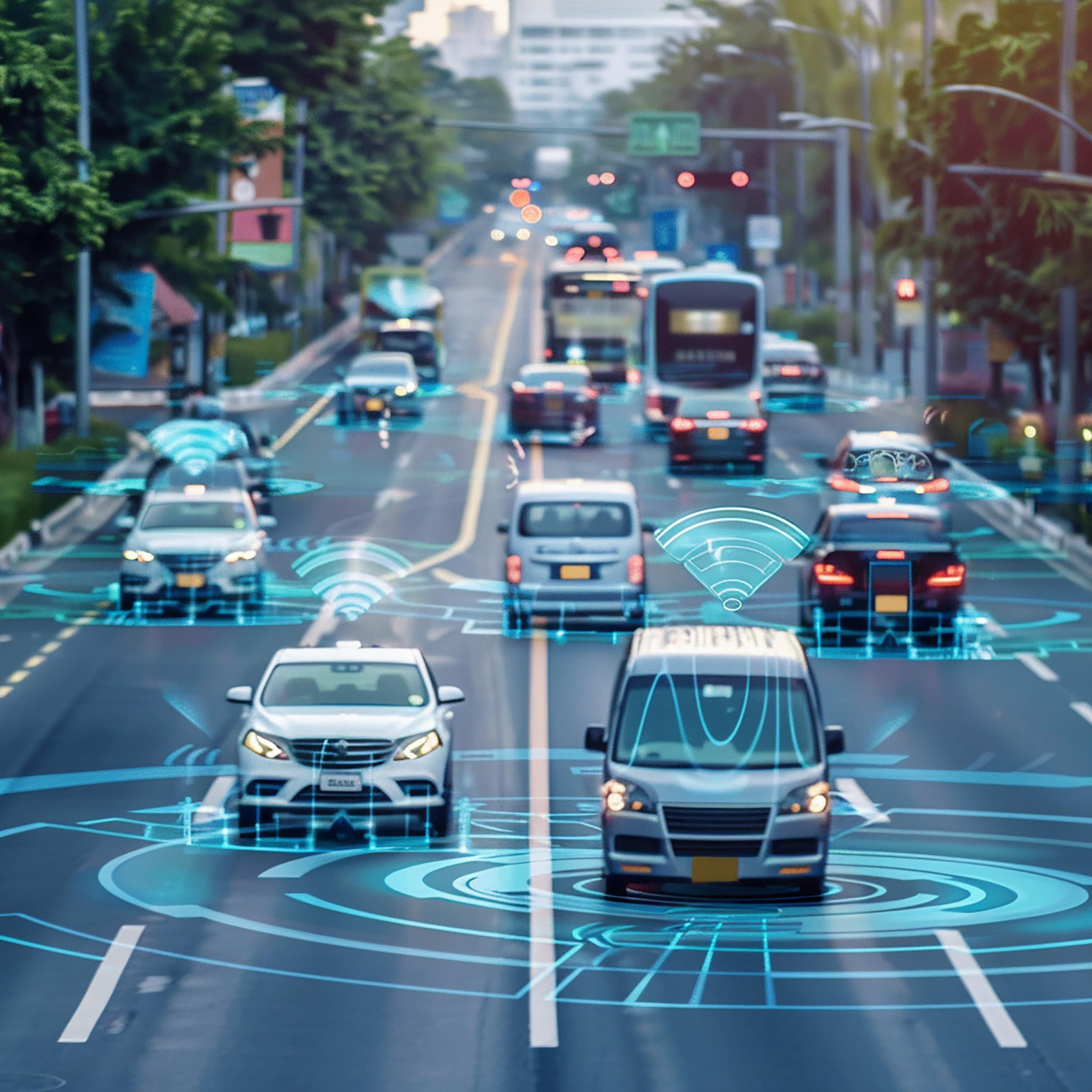
Autonomous driving is rapidly shaping the future of mobility, and electric vehicles are at the center of this transformation. While global players like Tesla and Mercedes are pushing Level 4 autonomy, Indian automakers are also entering the game with innovative driver-assist features. How do Indian brands compare to global giants when it comes to autonomous driving technology in EVs? Let’s explore.
Global Giants Leading the Autonomy Race
Global automakers like Tesla, Mercedes-Benz, and BMW are far ahead in deploying advanced autonomous systems. Tesla’s Autopilot and Full Self-Driving (FSD) offer features such as automated lane changes, self-parking, and city navigation, although regulatory approval varies by country. Mercedes has achieved Level 3 autonomy certification in certain markets, allowing hands-free driving in specific conditions. These advancements rely on AI-powered sensors, LiDAR, and over-the-air updates for continuous improvement.
Indian Brands and Their Progress
Indian brands such as Tata Motors and Mahindra are primarily focused on introducing Level 1 and Level 2 autonomy features in their EV lineup. These include Adaptive Cruise Control, Lane Keep Assist, and Automated Emergency Braking. While India’s infrastructure and regulatory environment pose challenges for higher autonomy levels, brands are making progress through partnerships with tech companies for AI-driven solutions. For example, Tata’s Nexon EV Max and Mahindra’s XUV400 offer basic ADAS (Advanced Driver Assistance Systems) to enhance driver safety.
Challenges and Opportunities in India
India faces unique challenges in adopting higher levels of autonomous driving. Inconsistent road conditions, lack of proper lane markings, and mixed traffic environments make full autonomy complex. However, opportunities lie in leveraging AI and 5G for connected mobility, improving vehicle-to-infrastructure (V2I) communication, and developing region-specific solutions. As EV adoption grows, Indian brands have the chance to build autonomous systems tailored to local needs, potentially creating a cost advantage.
Conclusion
While global giants dominate with advanced autonomous EVs, Indian brands are steadily catching up by introducing affordable driver-assist features and investing in AI-driven technologies. The road to full autonomy in India may be long, but the foundation being laid today will define the next generation of electric mobility. Collaboration between automakers, tech firms, and policymakers will be key to bridging the gap between Indian and global players.
Share this content:


Post Comment