Lithium-Ion vs. Solid-State Batteries in EVs – What’s the Difference?
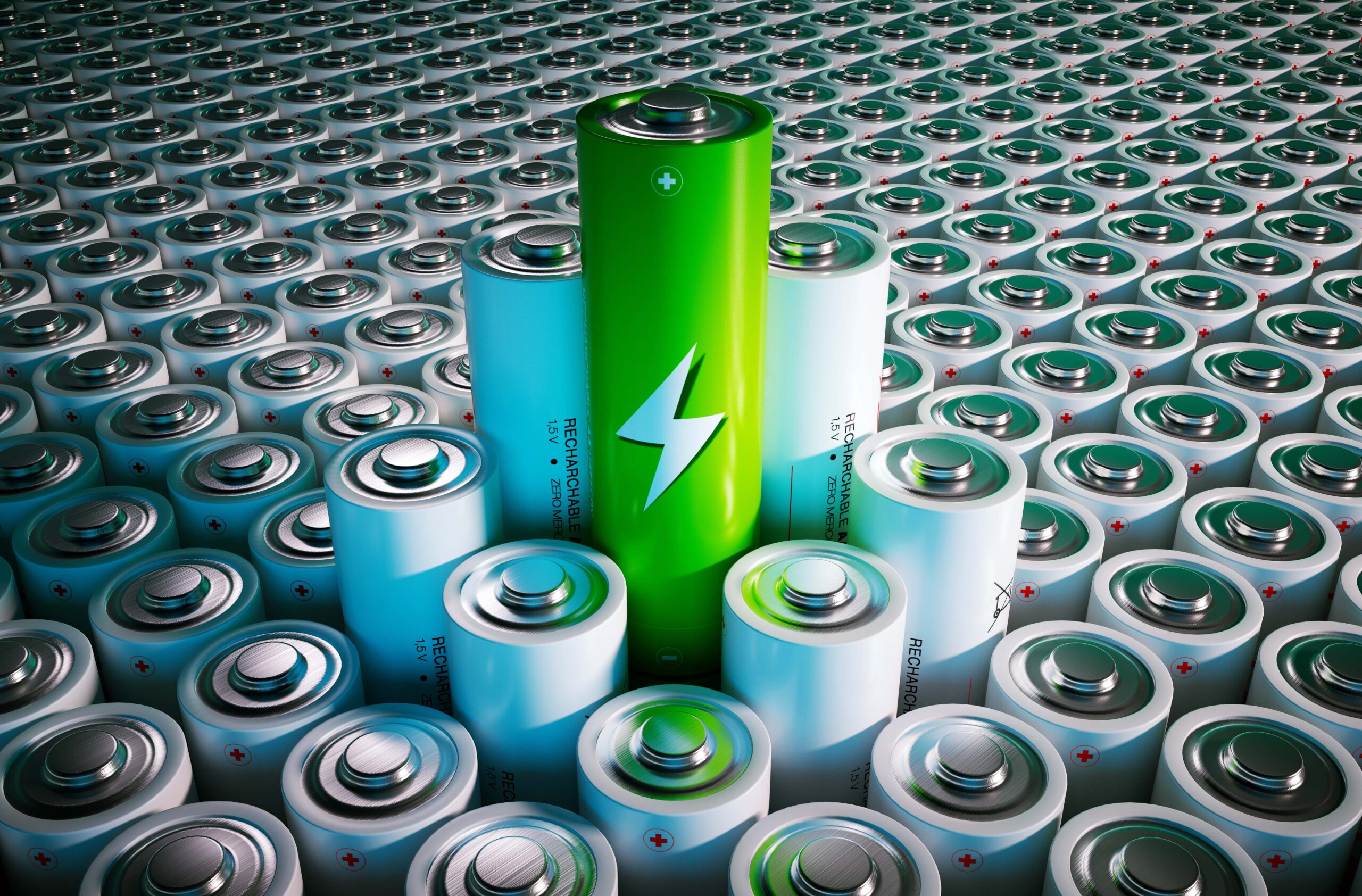
The electric vehicle (EV) revolution is driven by advances in battery technology, with lithium-ion batteries dominating the market today. However, solid-state batteries are emerging as the next big leap, promising higher energy density, improved safety, and longer lifespan. Understanding the differences between these two technologies is key to predicting the future of EV performance.
Lithium-Ion Batteries: Proven and Widespread
Lithium-ion batteries have been the industry standard for over a decade, offering a balance between energy density, cost, and performance. They use liquid electrolytes to transport ions between the cathode and anode, enabling fast charging and long ranges. These batteries are relatively affordable due to mass production and have a proven safety record when managed with advanced thermal systems. However, they can degrade over time, lose capacity with repeated fast charging, and pose a fire risk in extreme conditions.
Solid-State Batteries: The Next Generation
Solid-state batteries replace the liquid electrolyte with a solid one, significantly improving safety by reducing the risk of thermal runaway. They offer higher energy density, meaning EVs can achieve greater range with smaller, lighter battery packs. Charging times could also be reduced drastically. Despite these benefits, solid-state batteries are still in the research and early commercialization stage. High production costs, manufacturing challenges, and limited large-scale testing are the primary hurdles to widespread adoption.
Which Technology Wins?
In the short term, lithium-ion batteries will continue to dominate due to their established supply chains and affordability. Solid-state batteries, however, have the potential to redefine EV performance once mass production becomes feasible. Many automakers, including Toyota and BMW, are actively investing in solid-state R&D, signaling a shift in the next decade.
Conclusion
Lithium-ion batteries remain the backbone of today’s EV industry, delivering reliability and cost-effectiveness. Solid-state batteries promise a future with safer, lighter, and longer-lasting energy storage. While it may take years before solid-state becomes mainstream, its arrival could mark a major turning point in electric mobility, setting new benchmarks for range, safety, and performance.
Share this content:


Post Comment