Fast vs. Slow Charging: Choosing the Right Option for Your Electric Vehicle
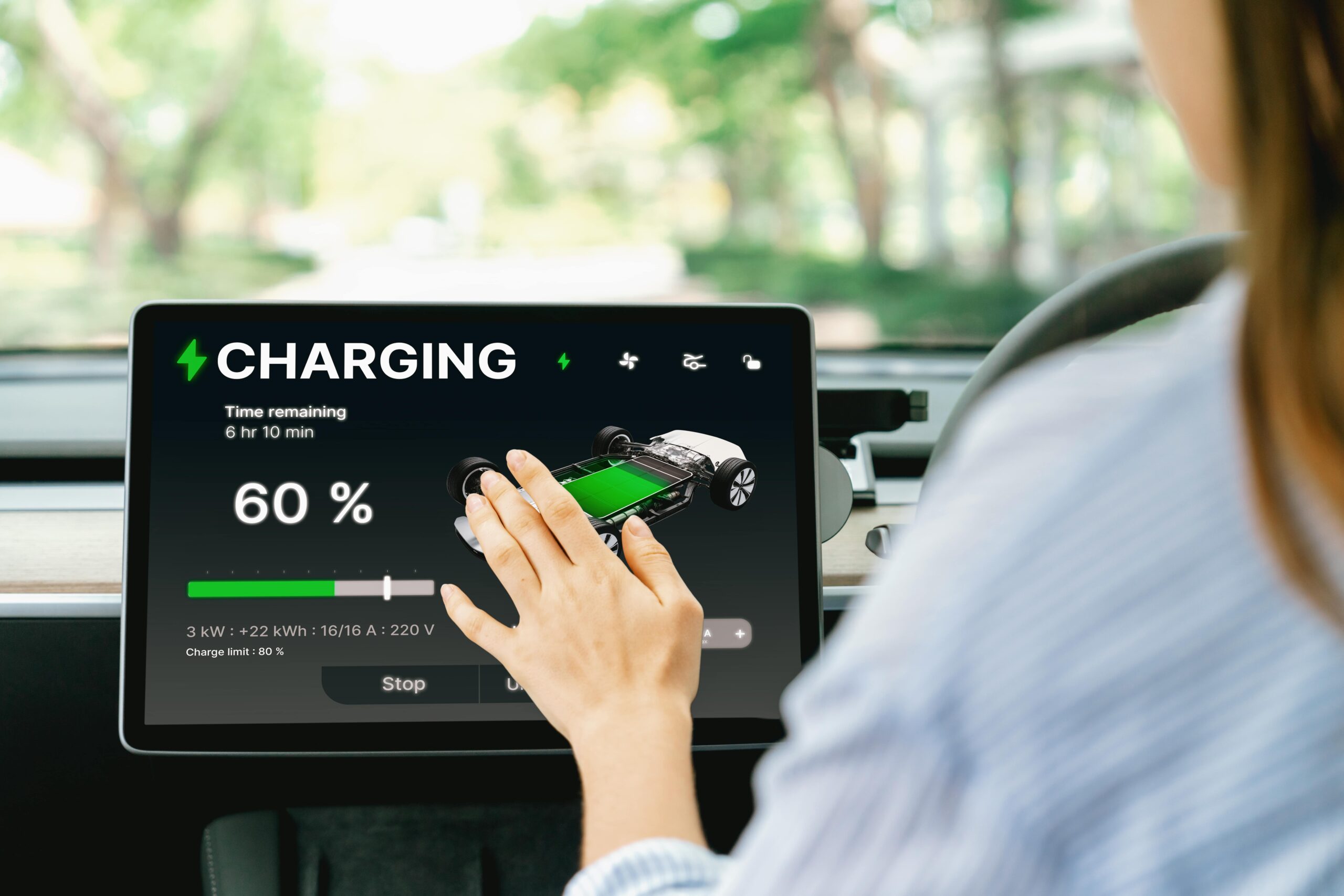
As electric vehicles (EVs) become more mainstream, one of the biggest decisions for owners is how to charge them efficiently. The choice between fast charging and slow charging depends on factors like usage patterns, battery health, and cost. Understanding the pros and cons of each option can help you make the best decision for your EV.
Fast Charging: Speed and Convenience
Fast charging, often using DC chargers, can power up an EV battery to 80% in as little as 30–60 minutes. This makes it ideal for long-distance travel, fleet operations, and busy schedules. However, frequent use of fast charging may generate more heat, potentially impacting long-term battery health. It also comes with higher installation and usage costs.
Slow Charging: Affordable and Battery-Friendly
Slow charging, typically done with AC chargers at home or workplaces, can take several hours to fully charge a vehicle. While it’s less convenient for quick top-ups, it’s gentler on the battery and usually more cost-effective. This option works best for overnight charging or vehicles with predictable daily usage.
Choosing Based on Your Lifestyle
Your charging choice should match your driving patterns. Urban commuters with short daily trips may find slow charging sufficient, while highway travelers and commercial operators may benefit more from fast charging access. Many EV owners use a hybrid approach, combining slow charging for routine use and fast charging for emergencies or travel.
Conclusion
There’s no one-size-fits-all answer when it comes to EV charging. By weighing factors like cost, battery longevity, and convenience, you can create a charging strategy that maximizes both performance and efficiency. For most owners, a balanced mix of fast and slow charging delivers the best of both worlds.
Share this content:



Post Comment