Wireless EV Charging: Is It the Next Big Thing?
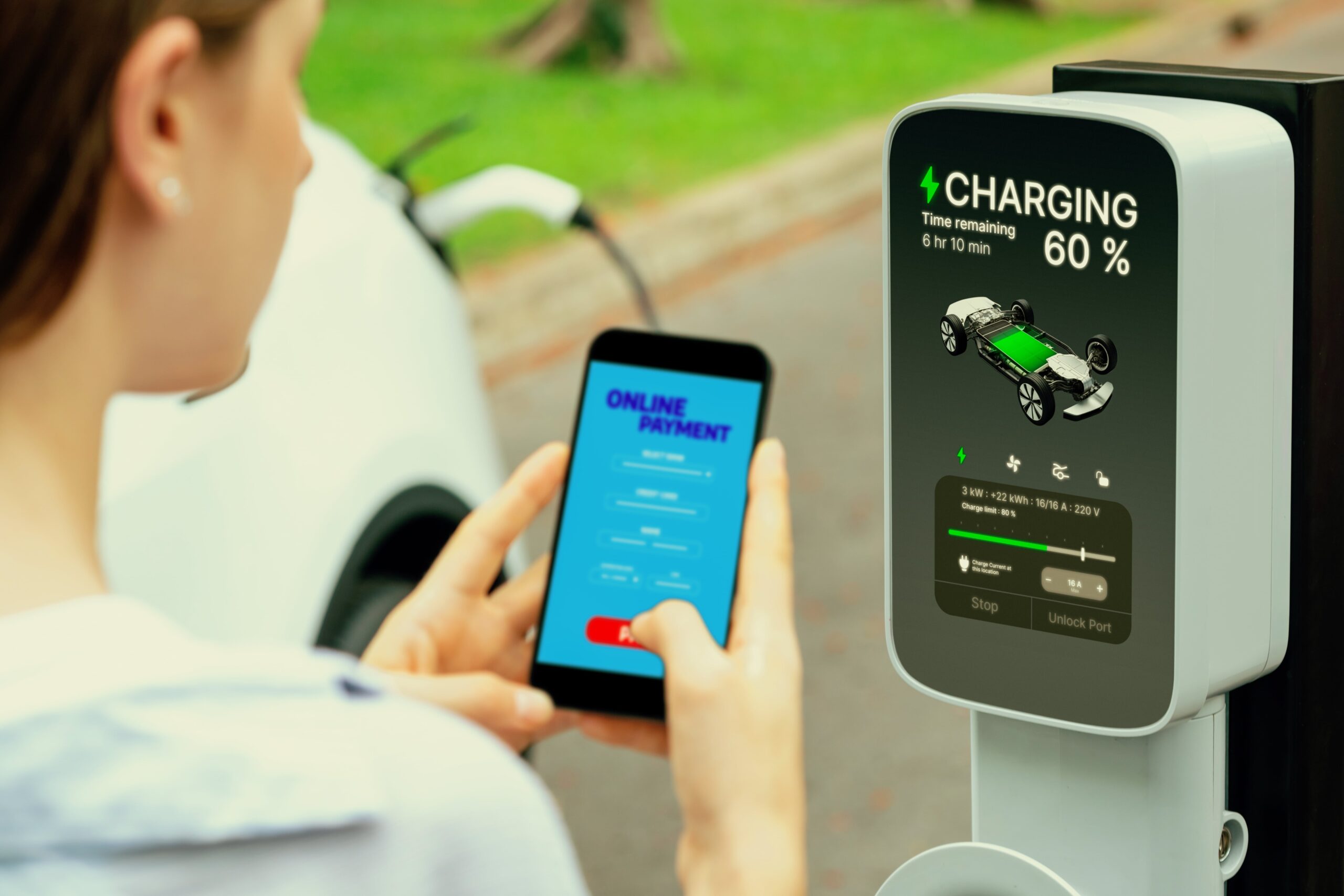
As electric vehicles (EVs) become more common, the demand for innovative and convenient charging solutions continues to grow. One emerging technology generating buzz is wireless EV charging—a system that allows vehicles to recharge without plugging in, simply by parking over a charging pad. But is it really the future of EV infrastructure, or just a niche innovation?
How Wireless EV Charging Works
Wireless charging uses inductive charging technology, where energy is transferred from a coil in the ground to a coil in the vehicle through an electromagnetic field. This eliminates the need for physical cables, making the process more convenient and user-friendly, especially in public parking spaces and residential garages.
Benefits Over Traditional Charging
The biggest advantage of wireless EV charging is convenience—drivers no longer have to handle cables or connectors. It also reduces wear and tear on charging ports and enables automatic charging when the car is parked. In the long run, it could integrate seamlessly with smart cities and autonomous vehicles, allowing self-driving EVs to recharge without human intervention.
Challenges and Limitations
Despite its potential, wireless EV charging faces challenges such as lower efficiency compared to wired systems, higher installation costs, and the need for standardization across manufacturers. Additionally, widespread adoption will require significant infrastructure investment and public awareness.
Conclusion
Wireless EV charging offers a glimpse into a more convenient and automated future for electric mobility. While it may not replace wired chargers entirely in the near term, its role will likely grow alongside technological advancements and smart city initiatives. For now, it remains a promising innovation that could redefine how we think about powering our vehicles.
Share this content:



Post Comment