EV Component Suppliers: Building a Robust Supply Chain in India
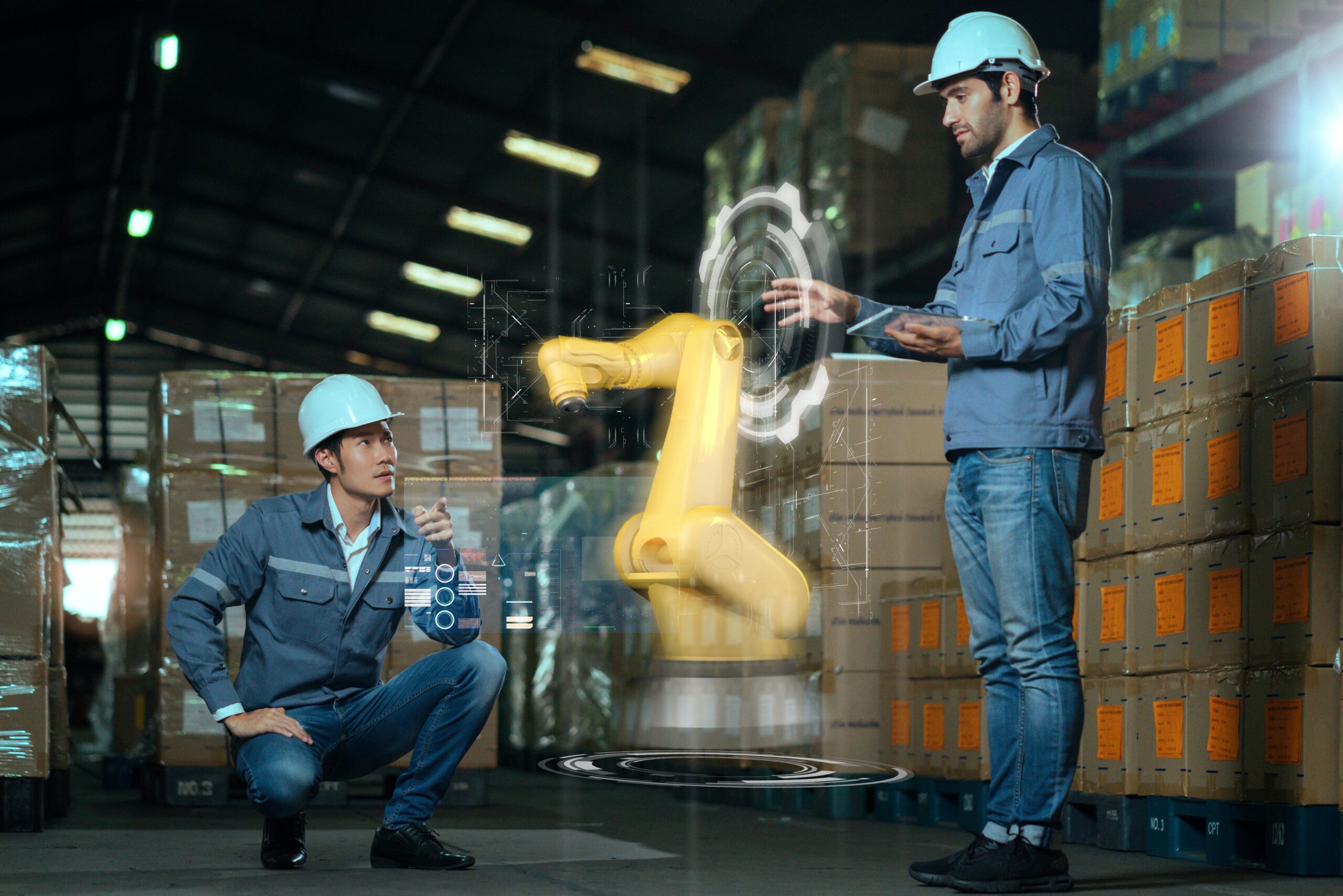
India’s electric vehicle (EV) sector is gaining momentum, driven by government incentives, rising fuel costs, and increased awareness of sustainable transportation. At the heart of this transition is the need for a dependable and efficient supply chain for EV components. From batteries and motors to chargers and semiconductors, each part plays a vital role in ensuring the performance and affordability of electric vehicles. To support the growing demand, India must develop a strong ecosystem of domestic suppliers that can meet both quantity and quality expectations.
The Rising Demand for EV Components
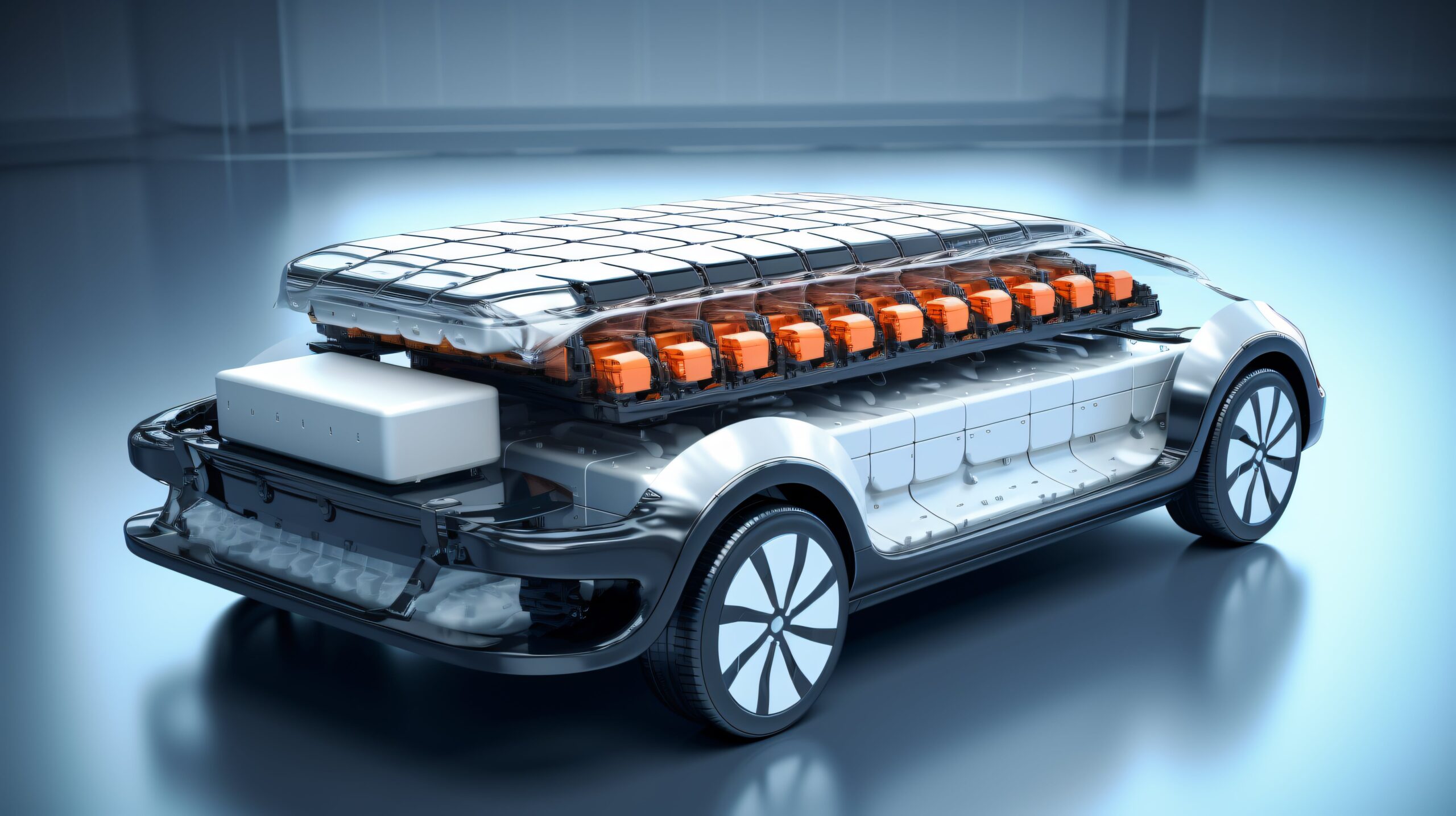
As EV adoption accelerates, the need for high-quality components has expanded across multiple segments—two-wheelers, passenger cars, commercial vehicles, and even electric buses. Key components such as lithium-ion battery cells, battery management systems (BMS), electric motors, inverters, controllers, and power electronics are in high demand. Traditionally, India has relied heavily on imports for many of these parts, especially battery cells and semiconductors. However, with the government’s “Make in India” initiative and PLI (Production-Linked Incentive) schemes, local manufacturing is being strongly encouraged. Domestic companies are now entering the supply chain with localized production facilities and joint ventures with global tech providers.
Challenges in Building a Local EV Supply Chain
While opportunities abound, challenges remain in building a robust EV supply chain in India. One of the biggest hurdles is the lack of large-scale production facilities for key components like battery cells and high-efficiency motors. The technology gap between domestic and global suppliers still exists, especially in precision manufacturing and advanced materials. Additionally, ensuring quality standards, managing logistics across the vast geography of India, and maintaining cost competitiveness are ongoing challenges. Startups and SMEs entering the space also face difficulties in securing raw materials, skilled labor, and funding, all of which are critical for scaling operations.
Collaborative Growth and Strategic Partnerships
To overcome these barriers, collaboration is becoming key. OEMs (Original Equipment Manufacturers) are partnering with component makers, both domestically and internationally, to co-develop technologies and ensure consistent supply. Government-backed initiatives, EV clusters, and industrial parks are also helping suppliers scale operations. Universities and R&D institutes are contributing by working closely with manufacturers to develop new materials and smarter manufacturing processes. As this ecosystem grows, India is gradually becoming a hub not just for EV assembly but for the development and export of EV components as well.
Conclusion: Strengthening the Backbone of Electric Mobility
A robust and localized EV component supply chain is essential for India to become a global leader in electric mobility. By investing in technology, nurturing startups, and encouraging collaboration between public and private sectors, India can reduce its dependence on imports and make EVs more affordable and accessible. The future of the EV revolution in India will depend not just on how fast vehicles are adopted, but also on how strong and self-reliant the supply chain behind them becomes.
Share this content:
Post Comment