Lightweight Materials & Design for Enhanced EV Efficiency

As the electric vehicle (EV) industry advances, efficiency has become a key performance metric. One of the most effective ways to improve EV range and performance is by reducing the overall weight of the vehicle. Lightweight materials and intelligent design strategies are now playing a critical role in shaping the future of electric mobility. By minimizing mass without compromising strength or safety, manufacturers can maximize energy efficiency, extend driving range, and create more responsive, agile EVs.
Why Weight Reduction Matters in EVs
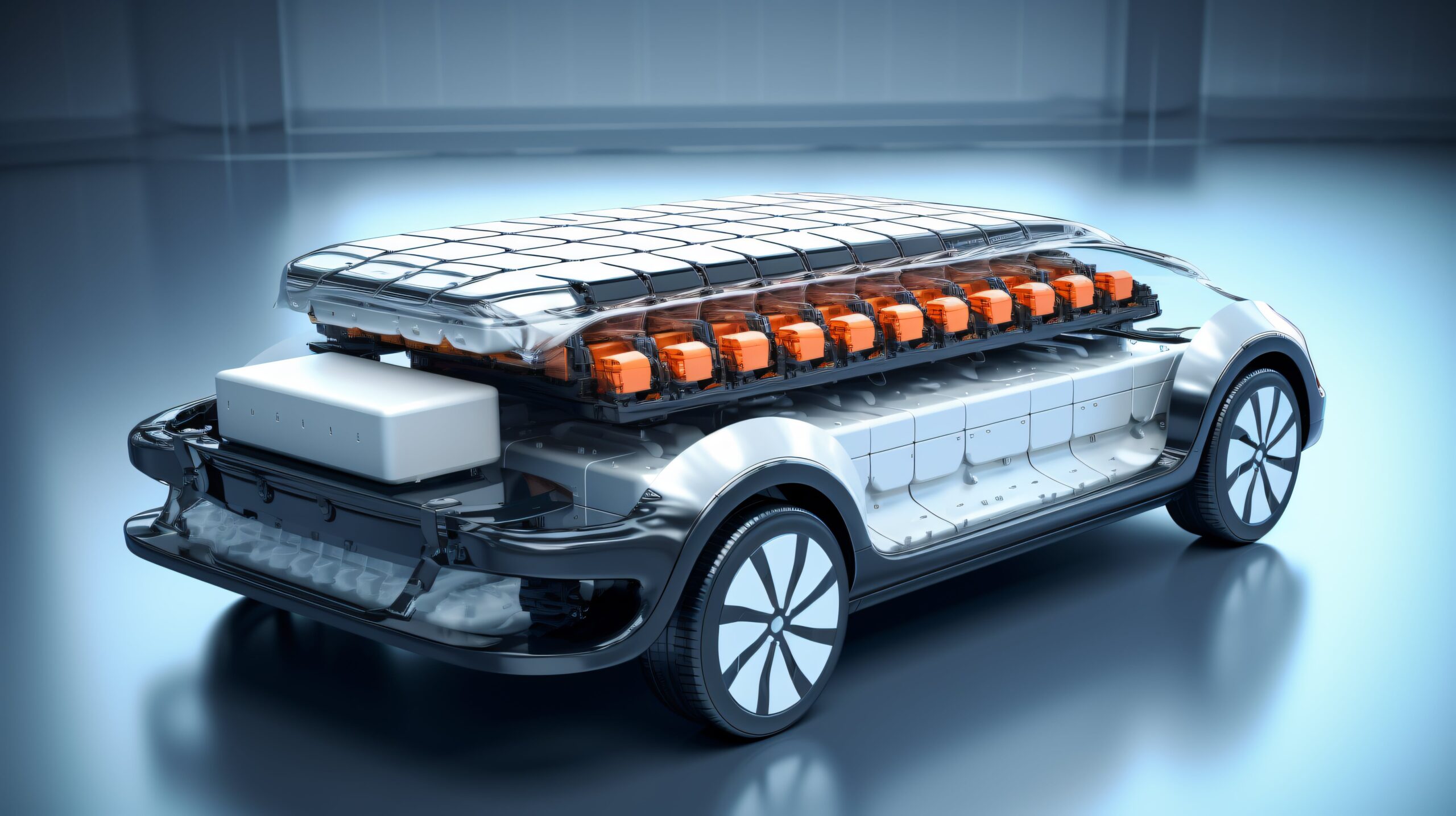
Unlike internal combustion vehicles, EVs carry heavy battery packs, which significantly affect overall weight. The heavier a vehicle, the more energy it consumes to move—especially during acceleration and uphill driving. This added demand can drain the battery faster and reduce the vehicle’s range. By reducing weight in the chassis, body, and components, automakers can offset the battery’s mass and improve energy efficiency. Even small reductions in weight can lead to noticeable gains in range, handling, and braking performance, all while contributing to a better driving experience.
Advanced Materials Leading the Way
To achieve lighter vehicles, the industry is turning to advanced materials such as aluminum, carbon fiber, high-strength steel, and composite plastics. Aluminum offers a great balance of strength and weight and is increasingly used in EV frames, doors, and hoods. Carbon fiber is even lighter and stronger, though more expensive, making it ideal for performance-oriented EVs. High-strength steels offer improved durability at reduced thickness, which helps save weight while maintaining crash safety. Additionally, thermoplastic composites and bio-based materials are emerging as sustainable, lightweight alternatives for interior components and trim.
Design Strategies for Weight Optimization
In addition to material choice, smart engineering and structural design contribute significantly to weight reduction. Modular platforms, simplified component assemblies, and integration of multi-functional parts help reduce the number of materials used and minimize mass. Battery packs are being designed as structural elements within the vehicle frame, helping to eliminate redundant supports. Aerodynamic efficiency also plays a major role, with sleek, sculpted bodies reducing drag and contributing to both weight savings and energy efficiency. Advanced manufacturing techniques like 3D printing are being explored for lightweight, custom parts that enhance overall design flexibility.
Conclusion: Driving Toward a Lighter, Smarter Future
Lightweight materials and thoughtful design are essential tools in the ongoing effort to make electric vehicles more efficient and sustainable. By reducing vehicle weight, manufacturers can enhance driving range, improve performance, and deliver better overall value to consumers. As materials science and design innovation continue to evolve, the EVs of tomorrow will be lighter, faster, and more efficient—helping to accelerate the shift toward clean and intelligent transportation.
Share this content:


Post Comment