Charging Infrastructure: Fast Charging vs. Ultra-Fast Charging
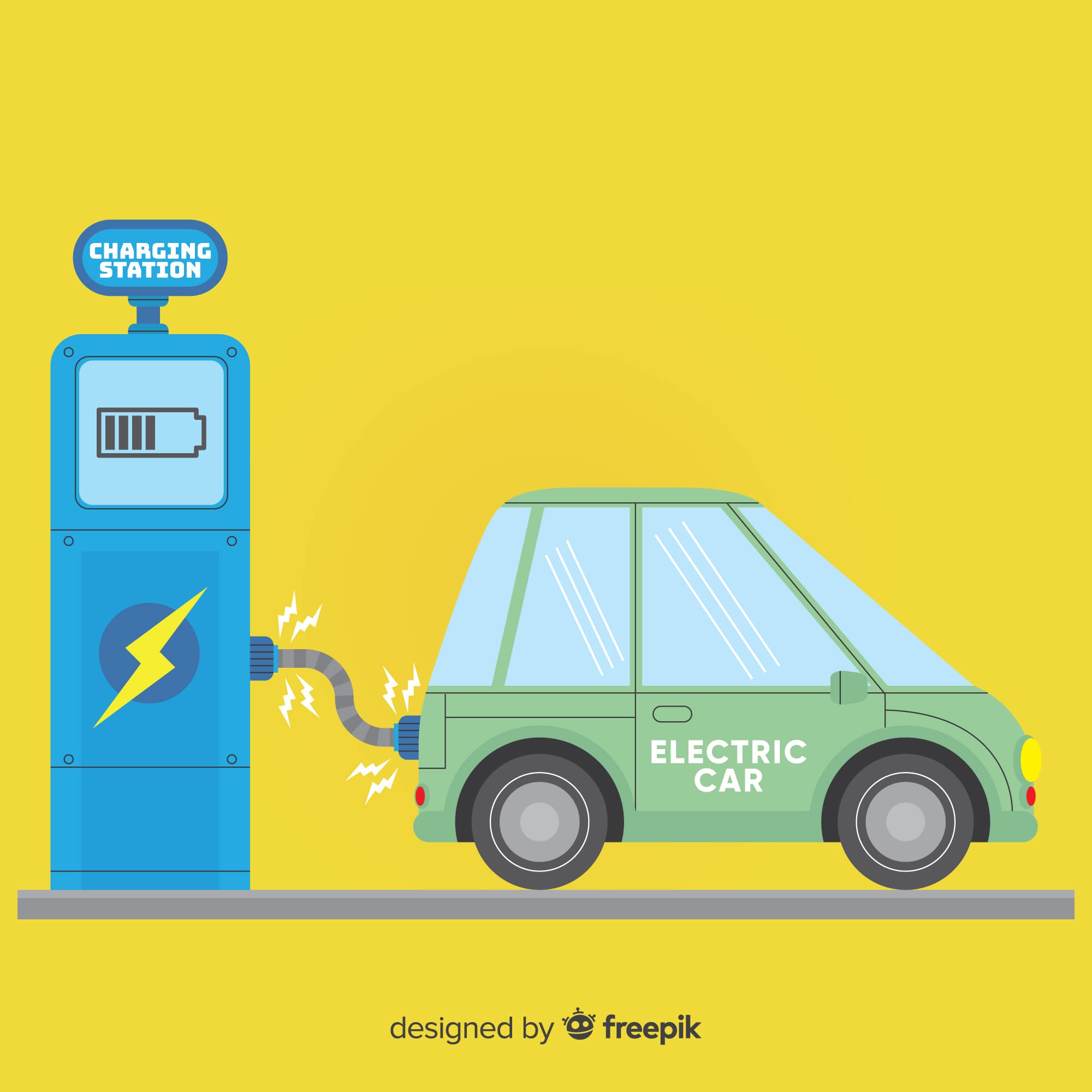
As electric vehicles (EVs) become increasingly popular, the need for efficient and accessible charging solutions has grown rapidly. Among the most critical advancements in this space are fast charging and ultra-fast charging technologies. While both are designed to reduce charging time and improve convenience, they differ significantly in terms of speed, cost, and infrastructure requirements. Understanding the distinction between these two options is essential for EV owners, fleet operators, and infrastructure developers alike.
What is Fast Charging?
Fast charging, commonly known as DC fast charging, delivers direct current to the EV battery at a much higher rate than standard AC charging. Typically ranging between 50 kW and 150 kW, fast chargers can recharge an EV battery up to 80% in approximately 30 to 60 minutes. This makes fast charging suitable for daily use, urban areas, and commercial locations where drivers need a quick energy top-up. It offers a practical solution for most current-generation EVs and strikes a balance between speed, cost, and compatibility.
What is Ultra-Fast Charging?
Ultra-fast charging, also referred to as high-power charging (HPC), takes EV charging to the next level. Operating at power levels of 150 kW and beyond—often reaching up to 350 kW—these chargers are designed for next-gen EVs with large battery capacities and advanced thermal management systems. Ultra-fast chargers can add up to 300 kilometers of range in just 15 to 20 minutes, significantly reducing downtime on long-distance journeys. However, this technology demands more robust infrastructure, specialized equipment, and greater grid support, making it more expensive and less common than standard fast charging.
Comparing the Two: Speed vs. Practicality
The key difference between fast and ultra-fast charging lies in their power output and use case. Fast charging is widely available, cost-effective, and compatible with most EVs on the road today. It is ideal for city driving, daily commutes, and moderate travel distances. In contrast, ultra-fast charging is best suited for highway corridors and long trips where minimizing charging time is critical. While ultra-fast charging offers impressive speed, it comes with higher installation costs, increased energy demands, and limited compatibility with older EV models. Additionally, repeated use of ultra-fast chargers may lead to faster battery degradation if not managed properly.
Conclusion: Building a Balanced EV Charging Network
Both fast and ultra-fast charging solutions are vital to the future of electric mobility. Fast charging provides a reliable and scalable infrastructure for everyday use, while ultra-fast charging addresses the needs of high-performance EVs and long-distance drivers. As the EV market continues to evolve, a well-balanced network that includes both types of charging stations will be essential to support diverse user needs and drive widespread adoption. For businesses, governments, and EV users, understanding these charging options is key to making informed decisions that support a sustainable and efficient transportation future.
Share this content:
Post Comment