Electric Bikes vs. Petrol Bikes: Performance, Cost, and Sustainability
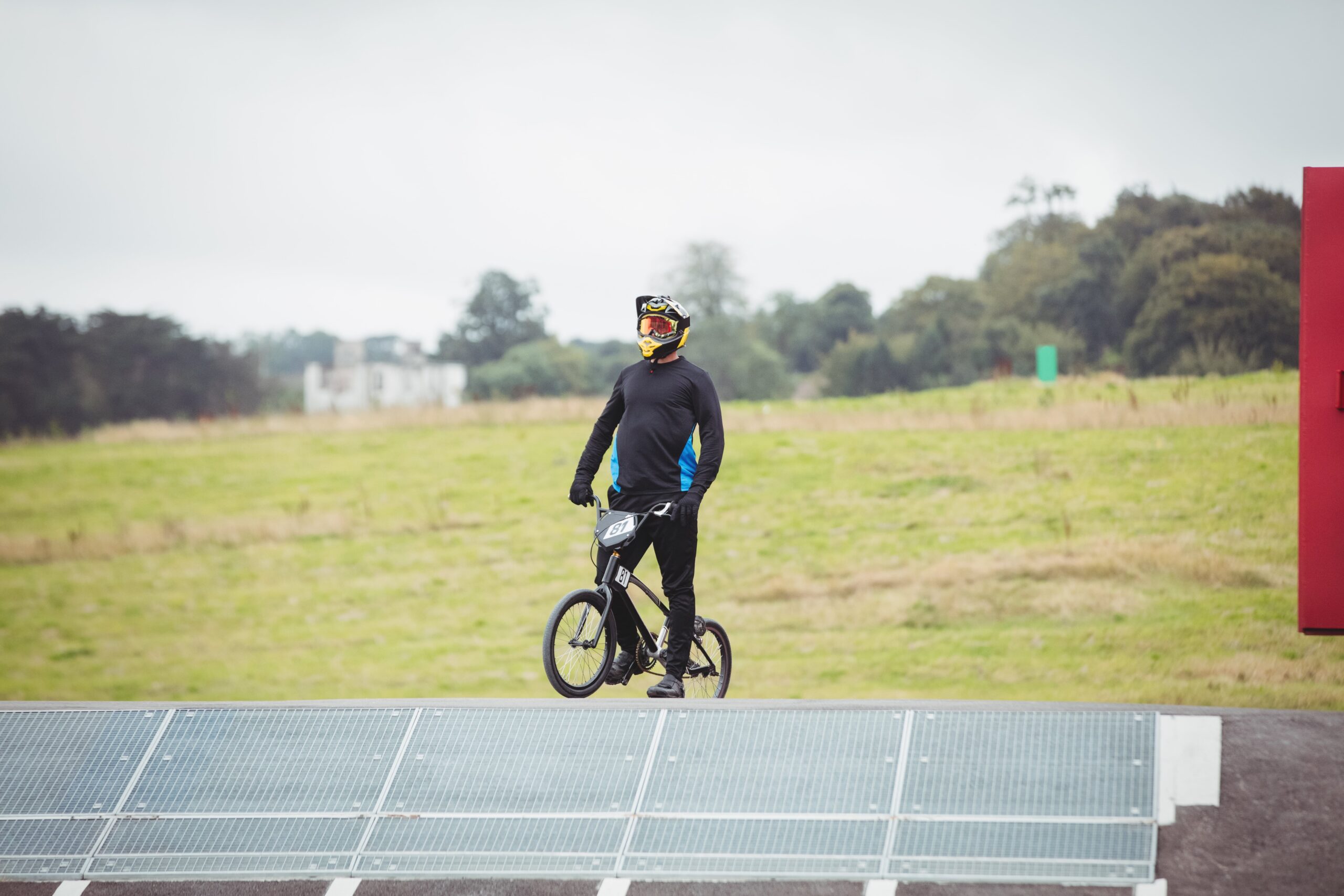
As India steers toward cleaner mobility, the debate between electric bikes and petrol bikes has become more relevant than ever. Consumers are no longer just considering speed and mileage—they’re evaluating the total impact on their wallets and the environment. Here’s a breakdown of how electric and petrol bikes stack up in terms of performance, cost-efficiency, and sustainability.
Performance: Acceleration vs. Endurance
Electric bikes have made significant strides in performance, especially for urban commuting. Their instant torque delivery means quick acceleration from a standstill—ideal for stop-and-go traffic. High-end electric bikes like the Revolt RV400 and Ather 450X offer top speeds of 85–105 km/h, suitable for city and suburban riding. On the other hand, petrol bikes generally offer higher top speeds and better endurance for long-distance travel. They also tend to handle better at high speeds and under heavy loads, making them more versatile for diverse road conditions.
Cost Comparison: Upfront Price vs. Long-Term Savings
Electric bikes typically have a higher initial purchase price, but the running costs are significantly lower. Charging an e-bike costs as little as ₹10–₹20 for 100 km, while petrol bikes consume fuel worth ₹100–₹120 for the same distance. Maintenance is also cheaper for electric bikes, with fewer moving parts and no engine oil changes. While petrol bikes are usually cheaper upfront and easier to find in the second-hand market, rising fuel prices and frequent maintenance drive up long-term ownership costs.
Sustainability: Zero Emissions vs. Fossil Fuel Dependency
When it comes to environmental impact, electric bikes win hands down. They produce zero tailpipe emissions and, when charged using renewable energy, their carbon footprint is minimal. EVs also reduce noise pollution, which is a growing concern in Indian cities. Petrol bikes, in contrast, contribute significantly to urban air pollution and greenhouse gas emissions. While BS6 norms have reduced emissions to some extent, they still rely entirely on fossil fuels, which are both polluting and depleting.
Conclusion: Which One Should You Choose?
The decision between an electric and a petrol bike depends on your usage and priorities. If you’re looking for a cost-effective, eco-friendly option for daily commutes, an electric bike is the smarter choice, especially with government subsidies and expanding charging networks. However, if you need a versatile vehicle for long rides and remote areas, a petrol bike might still be more practical—at least for now. That said, as battery technology improves and infrastructure expands, the balance is clearly shifting in favor of electric bikes, especially in India’s growing urban landscape.
Share this content:


Post Comment