Hydrogen Fuel Cells vs. EVs: The Future Power Struggle
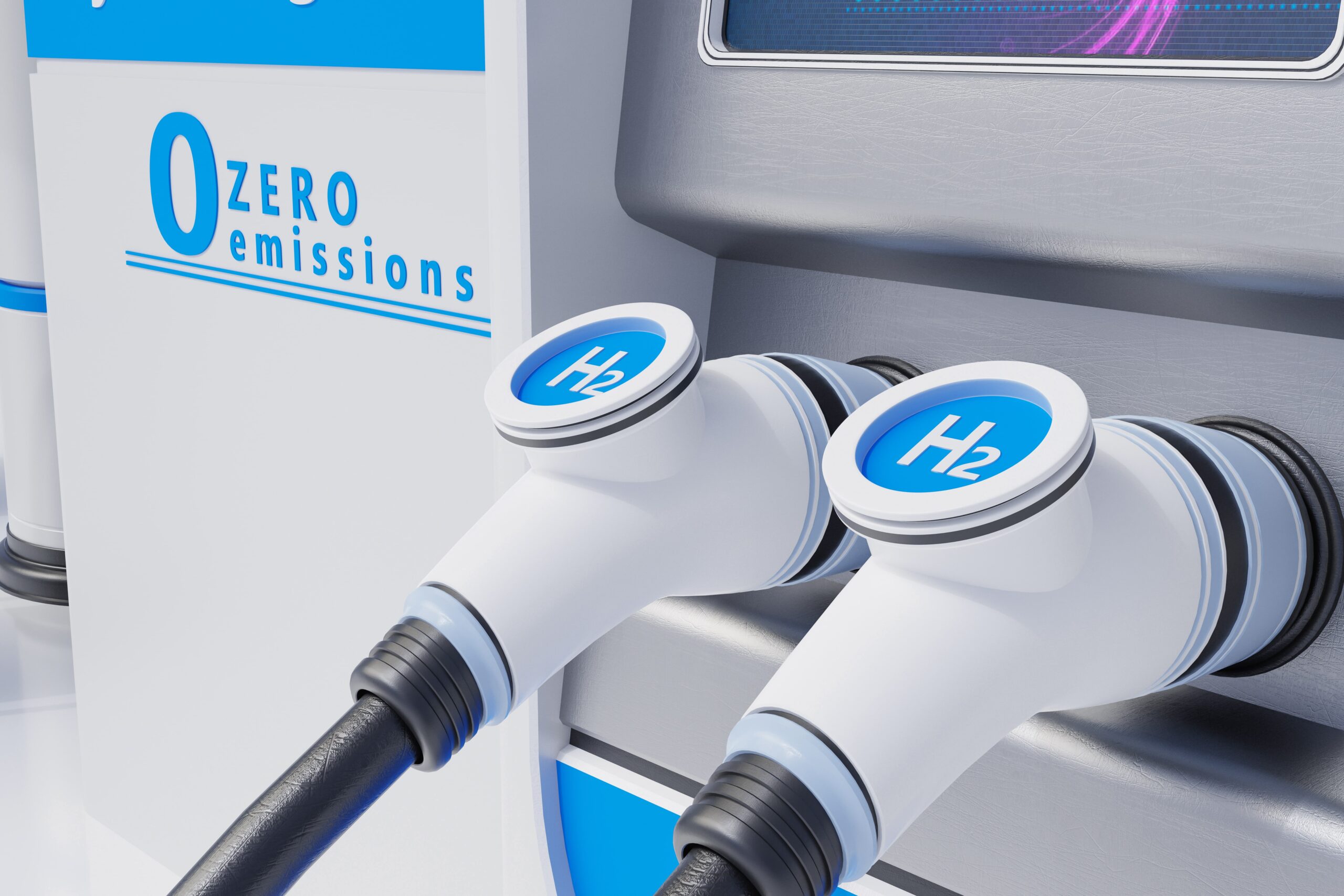
As the world shifts toward cleaner mobility, two technologies are at the forefront of the transformation: battery electric vehicles (EVs) and hydrogen fuel cell vehicles (FCEVs). Both aim to reduce carbon emissions and dependency on fossil fuels, but they differ significantly in design, infrastructure, and long-term viability. So, which one will dominate the roads of tomorrow?
Technology and Efficiency
EVs run on lithium-ion batteries that store electrical energy and power an electric motor. They are known for high efficiency, with about 80% of the energy from the battery used to move the car. On the other hand, hydrogen fuel cells convert hydrogen gas into electricity through a chemical reaction. While FCEVs emit only water vapor, the conversion process is less efficient—only about 40-60% of the hydrogen’s energy is used for propulsion. However, hydrogen cars generally have faster refueling times and longer ranges compared to most EVs.
Infrastructure and Availability
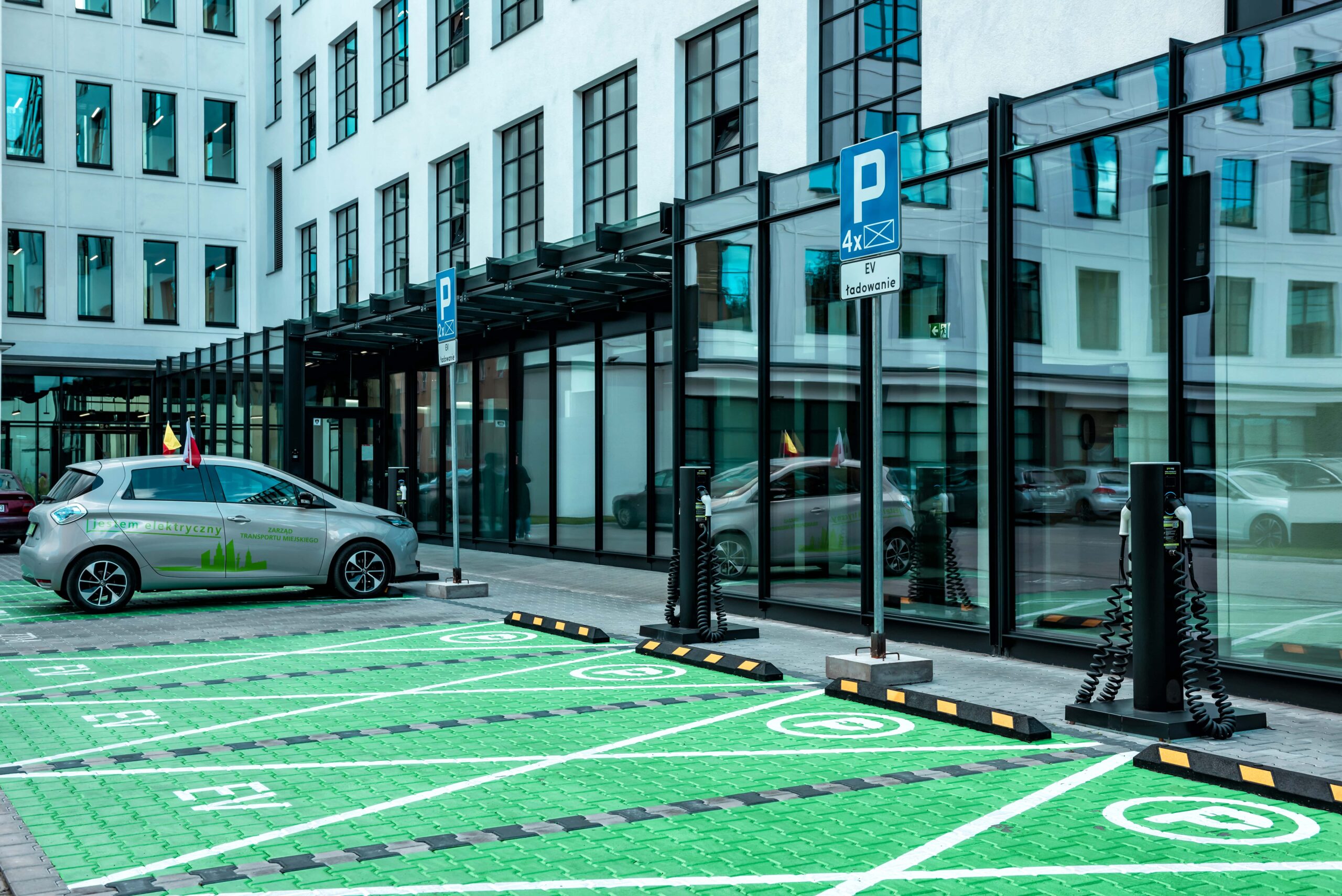
Electric vehicle infrastructure is growing rapidly across the globe, including in India, with a vast network of charging stations now being developed even in tier-2 and tier-3 cities. In contrast, hydrogen fueling stations are scarce and expensive to build, which limits FCEV adoption. The logistics of producing, storing, and transporting hydrogen fuel are also complex and energy-intensive, making EVs the more practical option in the short term.
Environmental Impact and Sustainability
Both technologies offer zero tailpipe emissions, but their environmental impact depends on how electricity or hydrogen is produced. EVs charged with renewable energy have a significantly lower carbon footprint, while hydrogen production often relies on natural gas—a process that emits CO₂. Green hydrogen, made using renewable power, is a sustainable alternative but is currently expensive and not widely available.
Conclusion: A Dual Path to Clean Transportation
While EVs are leading the current green mobility revolution due to established infrastructure and lower operating costs, hydrogen fuel cells may find their niche in heavy-duty transport, aviation, and long-range applications. The future of sustainable transport might not be a winner-takes-all scenario—it could be a combination of both, tailored to specific needs. As governments and industries invest in innovation, the real victory lies in a cleaner, greener planet.
Share this content:


Post Comment