Fast-Charging vs Battery Swapping: What Indian EV Startups Are Betting On
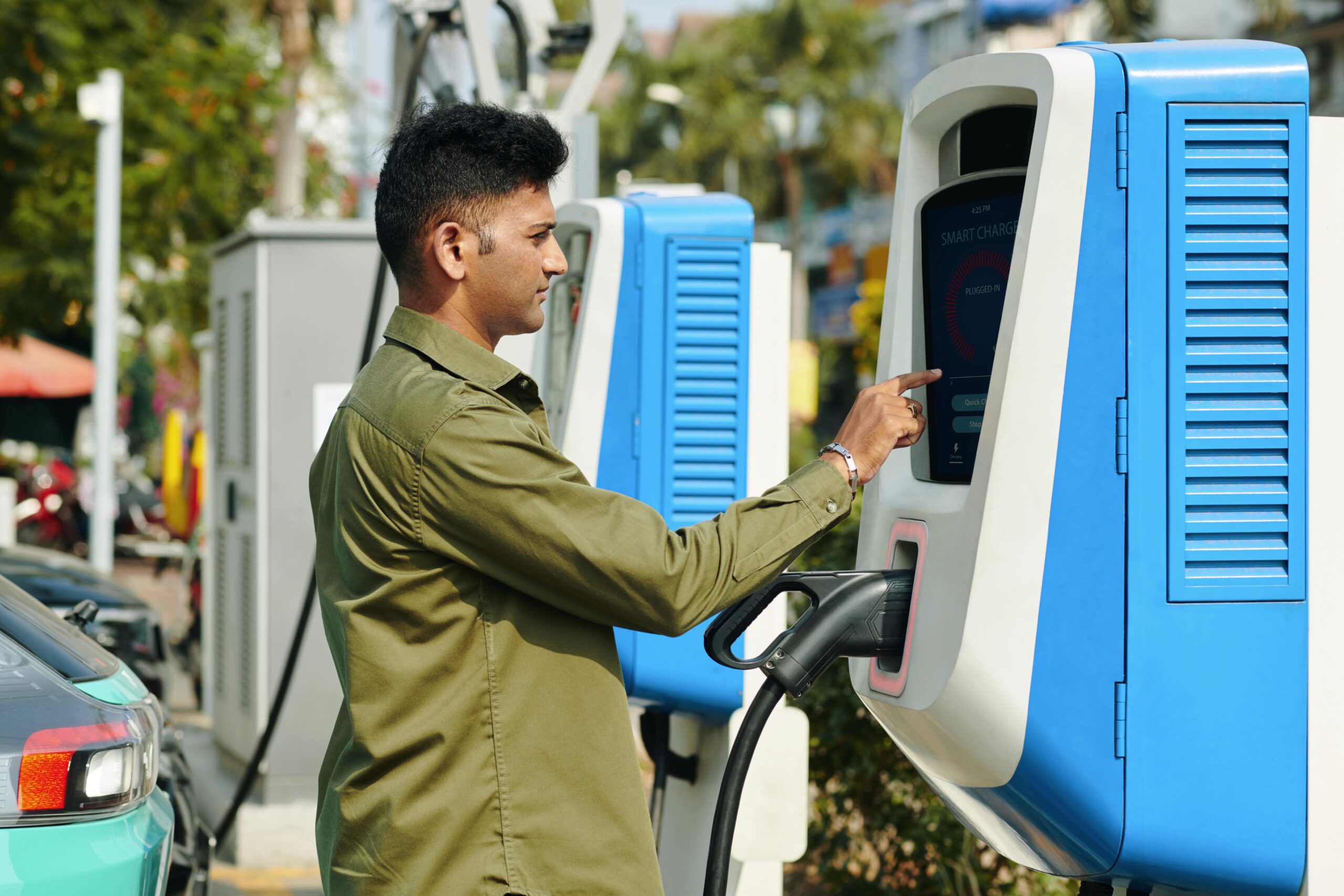
As India moves towards a cleaner and more sustainable future, electric vehicles (EVs) are taking center stage. However, the growth of EV adoption depends heavily on the development of a reliable and accessible charging infrastructure. Among the two most promising solutions—fast-charging and battery swapping—Indian EV startups are making bold moves, betting on the approach they believe will drive the country’s electric future.
Fast-Charging – The Preferred Path for Long-Range Vehicles
Fast-charging technology allows EVs to be charged in significantly less time compared to traditional charging methods. Startups such as ChargeZone, Statiq, and Glida are rapidly expanding fast-charging networks across highways, malls, corporate parks, and public spaces. These chargers, especially DC fast chargers, can power up an EV battery from 20% to 80% in as little as 30–45 minutes.
For private car owners and long-distance commercial fleets, fast-charging offers convenience without the need for battery replacements. However, there are hurdles—high installation costs, grid capacity issues, and peak-time load management. Despite this, government support and evolving technology are pushing more startups to invest in this model as a long-term, scalable solution.
Battery Swapping – Fast, Flexible, and Perfect for Fleets
Battery swapping involves replacing a depleted battery with a fully charged one at a dedicated swap station. It is quick—often under five minutes—and removes the need to wait for charging. Startups like SUN Mobility, Battery Smart, and RACEnergy are making battery swapping a viable option for two-wheelers, three-wheelers, and last-mile delivery fleets.
This model works especially well for commercial vehicles that operate continuously throughout the day. By separating battery ownership from the vehicle, costs are reduced, and vehicle uptime is maximized. However, challenges like lack of battery standardization and interoperability between different EV models limit widespread adoption for personal vehicles.
Hybrid Models and Collaborative Innovation
Recognizing that the market has diverse needs, many startups are exploring hybrid models that combine both fast-charging and battery swapping options. Companies like Ola Electric and Ather Energy are designing ecosystems where both technologies can coexist. Strategic collaborations between automakers, energy companies, and technology providers are also playing a crucial role in scaling these solutions efficiently.
In cities where space is limited, battery swapping might be more feasible. In contrast, fast-charging is better suited for highways and areas with robust grid infrastructure. This adaptability allows startups to serve both urban and intercity mobility requirements effectively.
Conclusion
The competition between fast-charging and battery swapping is not a zero-sum game. Both technologies have unique advantages and serve different segments of the EV market. Indian EV startups are wisely investing in both, driven by practical use cases, customer demand, and future scalability. As technology evolves and policies become clearer, a blended infrastructure—offering the speed of swapping and the reach of fast-charging—may emerge as the backbone of India’s EV ecosystem.
Startups that embrace flexibility, focus on innovation, and forge the right partnerships will lead the charge in revolutionizing India’s electric mobility landscape.
Share this content:

Post Comment