Breaking Down the Core Components of Electric Vehicles
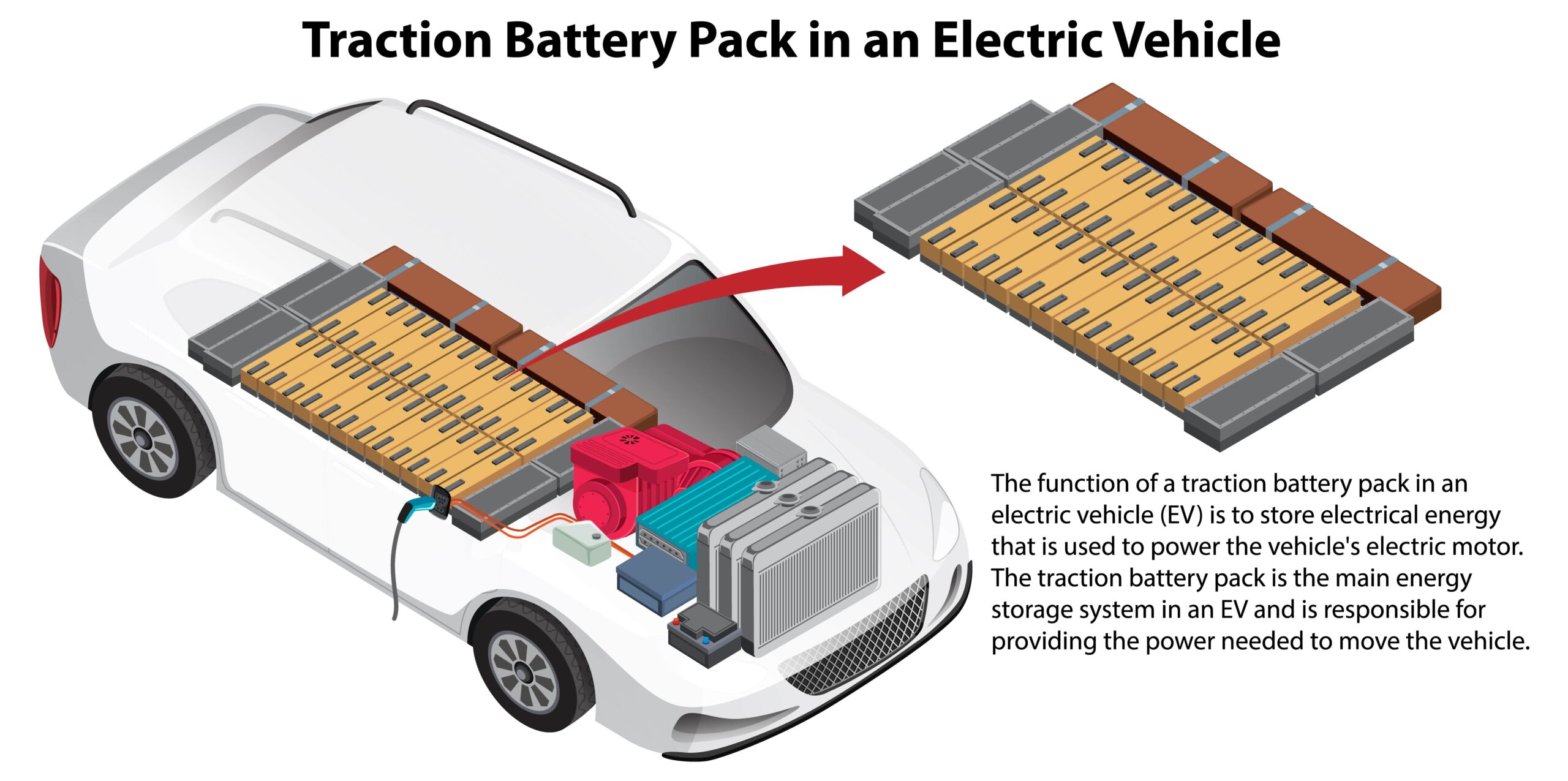
Electric Vehicles (EVs) have revolutionized modern transportation with their eco-friendly design and advanced engineering. Unlike traditional vehicles, EVs are powered by electricity and built around a unique architecture that ensures efficiency, performance, and sustainability. Understanding the core components of EVs helps us appreciate how these machines work and why they are key to the future of mobility.
Battery Pack: The Powerhouse of EVs
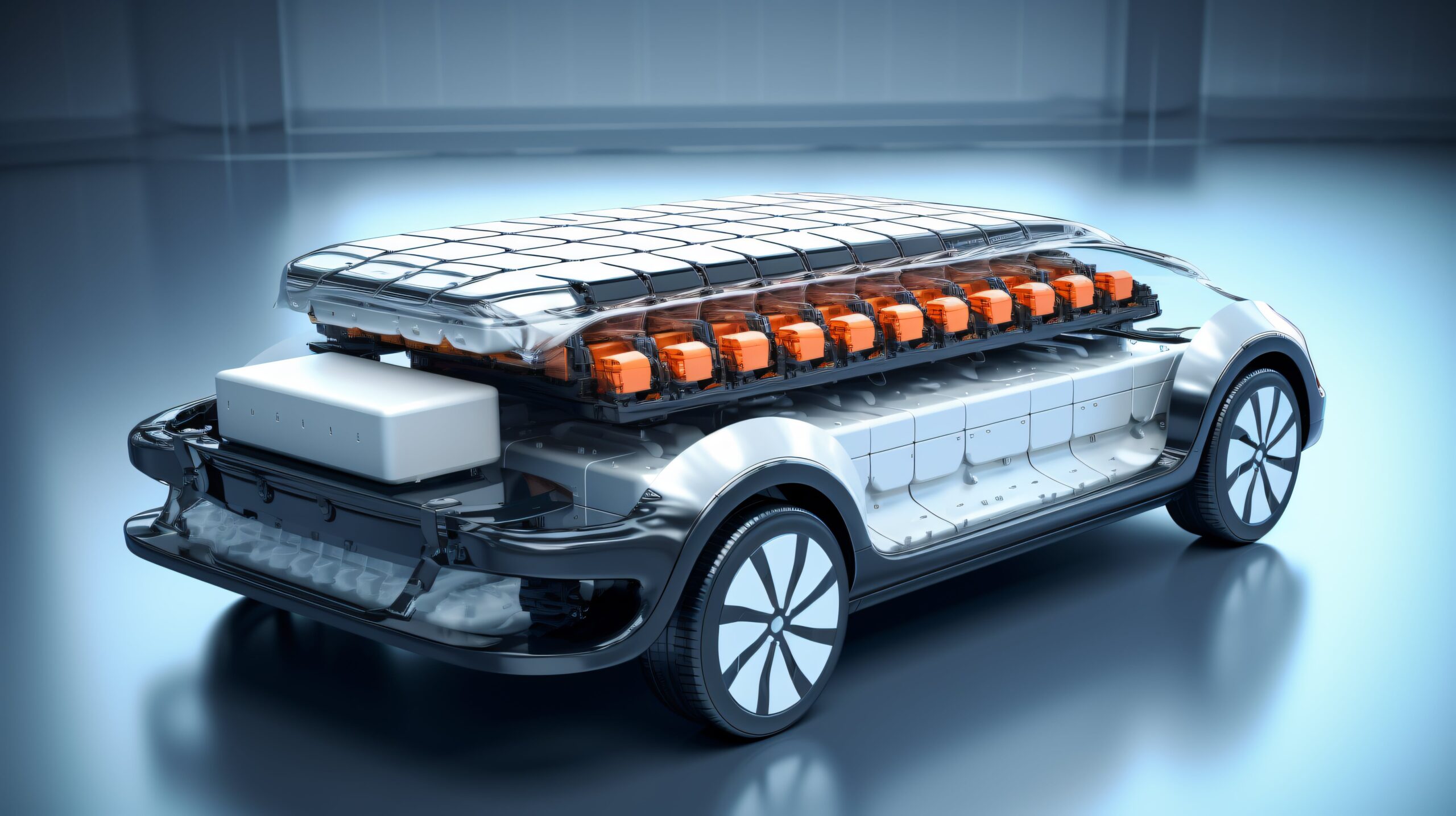
At the heart of every electric vehicle lies the battery pack, typically made from lithium-ion cells. It stores the electrical energy required to power the vehicle’s motor and onboard systems. The capacity of the battery (measured in kWh) directly influences the driving range. Battery technology continues to evolve, with advancements focusing on faster charging, higher energy density, and longer lifespans.
Electric Motor and Inverter: Driving Efficiency
The electric motor replaces the internal combustion engine found in conventional vehicles. It converts electrical energy from the battery into mechanical energy to move the vehicle. Paired with it is the inverter, a key component that converts direct current (DC) from the battery into alternating current (AC) used by the motor. Together, they ensure seamless acceleration, regenerative braking, and high torque delivery with minimal energy loss.
Onboard Charger and Control Unit: Smart Energy Management
The onboard charger is responsible for converting AC electricity from charging stations into DC electricity for battery storage. Meanwhile, the vehicle control unit (VCU) acts as the EV’s brain—managing power distribution, monitoring battery health, regulating motor performance, and integrating with smart systems like regenerative braking and eco-driving modes.
Conclusion
Electric vehicles represent the future of sustainable transportation, and their efficiency lies in the synergy of well-engineered components. From the battery and motor to the onboard electronics, each part plays a critical role in performance and sustainability. As technology advances, these components will only become more powerful, efficient, and intelligent—driving us toward a cleaner, smarter mobility future.
Share this content:


1 comment