EVs, Hydrogen, or Hybrids? What Will Power Tomorrow’s Transport
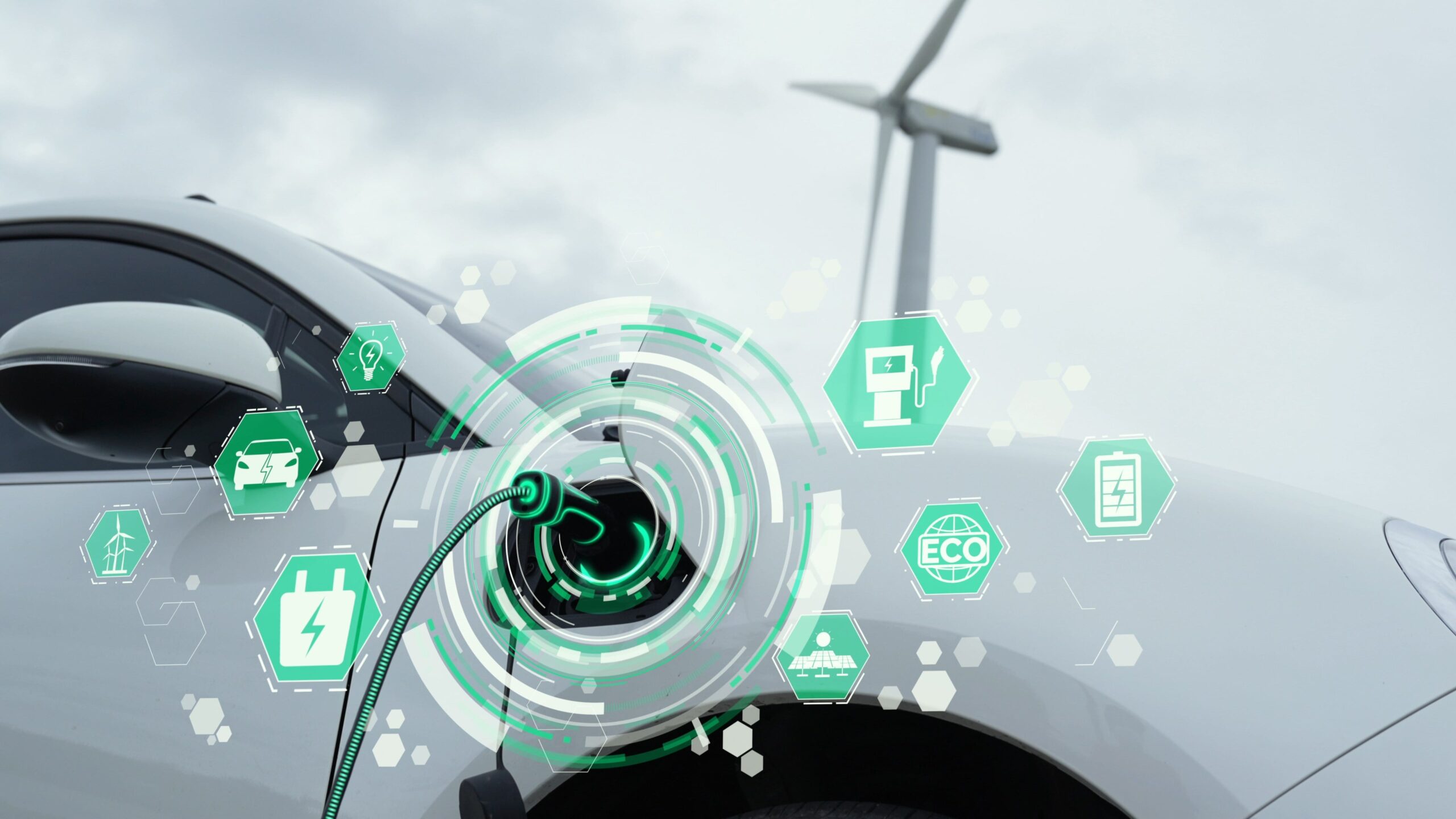
The race toward clean mobility is heating up, but the big question remains: Which technology will dominate the future—Electric Vehicles (EVs), Hydrogen Fuel Cells, or Hybrids? As environmental concerns, fuel efficiency, and policy reforms reshape the automotive landscape, each powertrain option presents unique advantages and challenges.
Electric Vehicles (EVs): The Current Front-Runner
EVs have emerged as the leading contender in the clean transport revolution. Backed by significant investments, improving battery technology, expanding charging networks, and growing consumer demand, EVs are already making major inroads in urban mobility. Governments worldwide are offering subsidies and pushing for all-electric futures, with many automakers phasing out ICE (internal combustion engine) production by 2030. However, battery production’s environmental impact and limited range in some models remain concerns.
Hydrogen Fuel Cells: High Potential, Low Adoption
Hydrogen-powered vehicles promise fast refueling and long ranges—ideal for commercial fleets and heavy transport. They emit only water vapor and are suited for countries looking to decarbonize without relying heavily on grid-based electricity. However, infrastructure is a major roadblock, with hydrogen refueling stations still rare. High production costs and limited vehicle options also hinder widespread adoption—for now.
Hybrid Vehicles: The Transitional Bridge
Hybrid vehicles combine a traditional engine with an electric motor, offering improved fuel efficiency and lower emissions. They don’t require charging infrastructure and are ideal for markets not yet ready for full EV adoption. While they help reduce dependence on fossil fuels, hybrids are not a zero-emission solution and may eventually be phased out as EV and hydrogen technologies mature.
Conclusion
So, what will power tomorrow’s transport? While electric vehicles currently lead the charge, the future is likely to be multi-modal. EVs will dominate urban and personal transport; hydrogen could take the spotlight in long-haul and commercial sectors; and hybrids will continue to act as a bridge in developing markets. A diversified, flexible energy mix may be the key to a truly sustainable transport future.
Share this content:



Post Comment