AC Charging vs. DC Charging for EVs: A Complete Comparison Guide
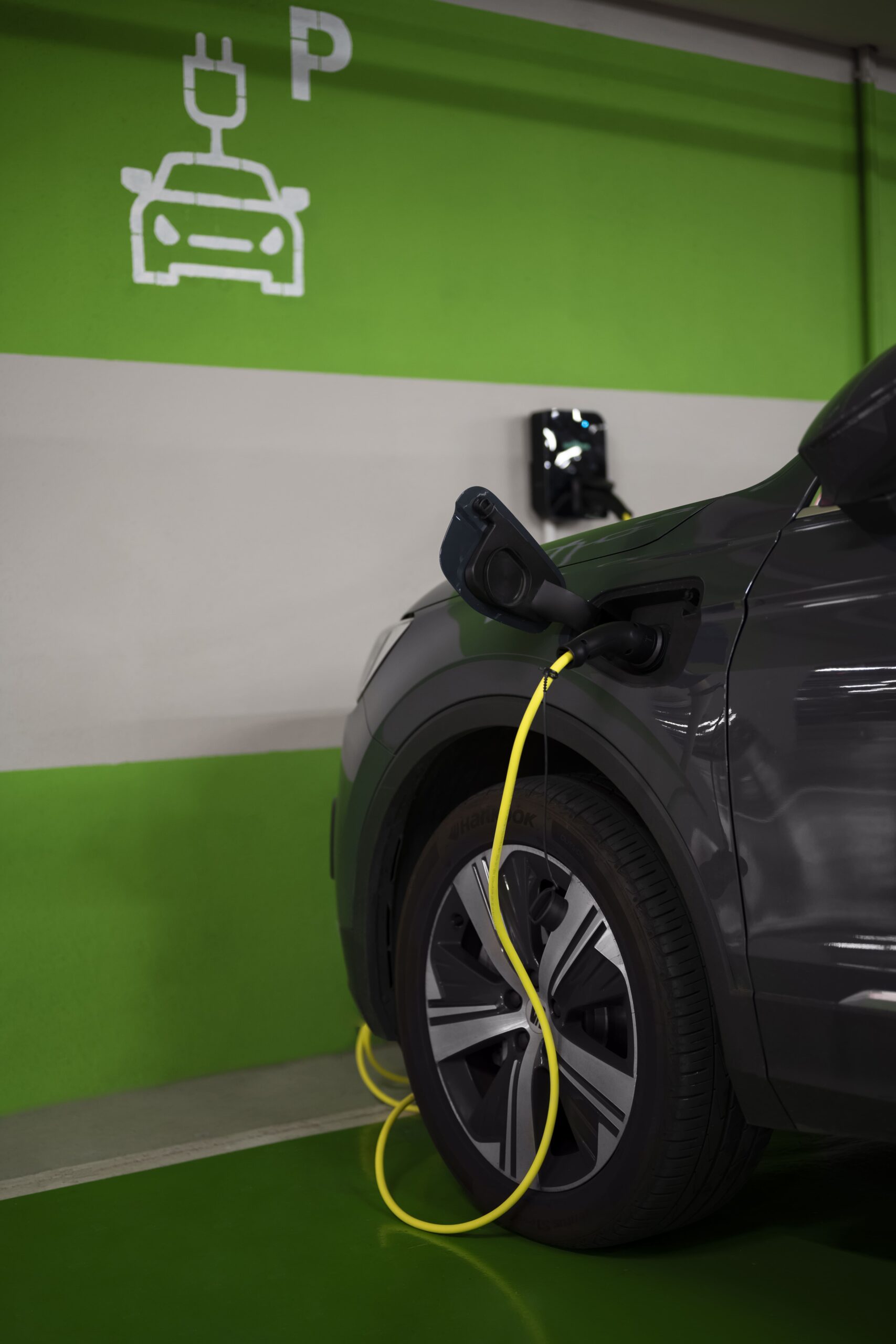
As electric vehicles (EVs) become more mainstream in India and globally, understanding the different charging options is essential for both users and businesses. The two main types of charging are AC (Alternating Current) charging and DC (Direct Current) charging—each serving different needs in terms of speed, convenience, and infrastructure. Let’s dive into how they work and which one is better suited for your EV lifestyle.
Charging Speed and Power Output
The most significant difference between AC and DC charging lies in speed. AC chargers are generally slower, with power outputs ranging from 2 kW to 22 kW, depending on the type (Level 1 or Level 2 chargers). These are ideal for overnight home charging or at workplaces.
In contrast, DC chargers (commonly found at public charging stations) offer much higher power—ranging from 50 kW to 350 kW—allowing EVs to be charged up to 80% in as little as 30 minutes. This makes DC fast charging perfect for long-distance travel and quick top-ups.
Installation and Cost Considerations
AC charging infrastructure is relatively easy and inexpensive to install. Most residential buildings and parking areas can accommodate Level 2 AC chargers with basic electrical upgrades. They are ideal for regular users who can leave their EVs to charge for several hours.
On the other hand, DC chargers require complex installations, high-voltage electrical lines, and significant capital investment. They are usually deployed at commercial hubs, highways, or EV charging stations due to their high cost and technical requirements.
Battery Health and Usage Scenarios
While DC charging is faster, frequent use can slightly impact battery health over time due to high energy input and heat generation. Manufacturers often recommend using DC fast charging occasionally and relying on AC charging for daily use to extend battery life.
AC chargers provide a gentler, consistent charge that is better for long-term battery maintenance. For city dwellers or daily commuters, AC charging offers a cost-effective and battery-friendly solution.
Conclusion
Both AC and DC charging play vital roles in India’s growing EV ecosystem. If you’re looking for convenient, daily charging at home or work, AC is the way to go. But if you’re planning long trips or need fast charging on the road, DC charging is your best option. Ultimately, a combination of both—accessible home AC charging and reliable public DC stations—offers the most flexibility for EV owners.
Share this content:


Post Comment