AC vs. DC Charging: What Every EV Owner Should Know
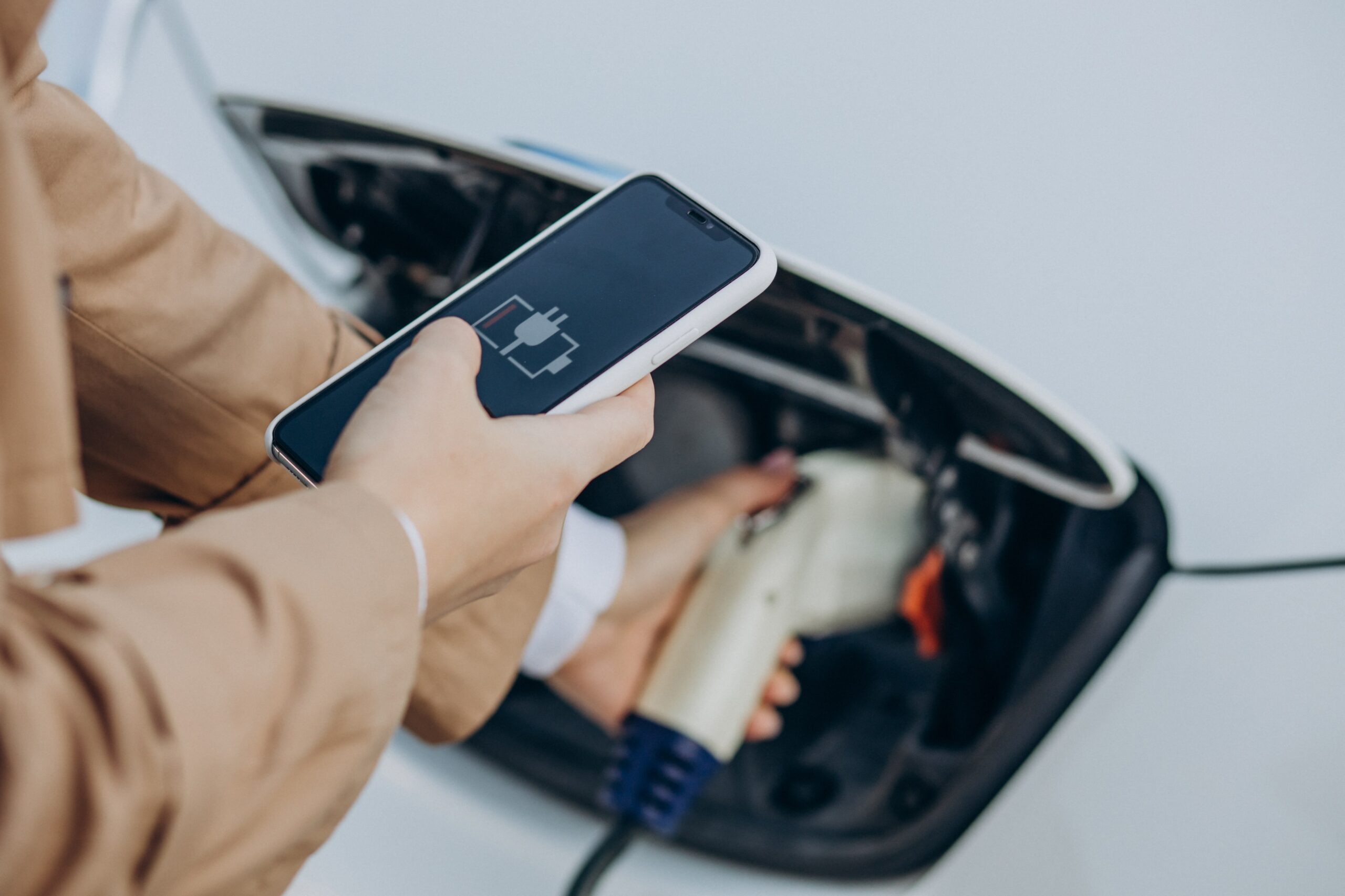
As electric vehicles (EVs) gain popularity in India and around the world, understanding how they are charged becomes essential for new and experienced EV owners alike. One of the most important distinctions in EV charging is between AC (Alternating Current) and DC (Direct Current) charging. Each has its own advantages, ideal use cases, and infrastructure requirements. Here’s what every EV owner should know.
What is AC Charging?
AC charging is the most common form of EV charging and is typically used for home or workplace setups. In this method, the power from the grid (which is AC) is transferred to the vehicle’s onboard charger, which then converts it into DC to charge the battery. AC chargers usually range from 3.3 kW to 22 kW in power, making them suitable for overnight charging or long dwell-time locations like offices and malls.
AC chargers are affordable and easier to install, making them ideal for personal use or places where vehicles remain parked for longer durations. However, because the vehicle’s onboard charger determines the maximum speed, charging may take several hours.
What is DC Charging?
DC charging bypasses the onboard charger and delivers direct current directly to the EV’s battery, enabling much faster charging speeds—often from 50 kW up to 350 kW. This type of charging is ideal for highway charging stations, public fast-charging hubs, and commercial fleet operations where minimal downtime is crucial.
DC chargers are more expensive and require significant infrastructure and grid support, which is why they’re primarily found in public or high-traffic locations. For instance, many Indian expressways are being equipped with fast DC chargers to support long-distance EV travel.
Key Differences and Use Cases
The main difference between AC and DC charging lies in speed and convenience. AC is best for regular daily use where time is not a constraint—perfect for charging at home overnight. DC, on the other hand, is suited for quick top-ups during travel or for commercial vehicles that need to be on the road constantly.
In India’s evolving EV ecosystem, both types of charging are essential. While AC chargers will dominate urban residential and office setups, DC chargers are key to supporting long-distance travel and fleet operations.
Conclusion
Understanding the difference between AC and DC charging helps EV owners make informed decisions about how and where to charge their vehicles. As India continues to build a diverse EV infrastructure, a balanced combination of AC and DC chargers will ensure convenience, efficiency, and accessibility for all types of users. Whether you’re a daily commuter or a long-haul traveler, knowing your charging options can make your EV experience smoother and more efficient.
Share this content:



Post Comment