The Future of EV Charging Stations in India: Challenges and Opportunities
The Future of EV Charging Stations in India: Challenges and Opportunities
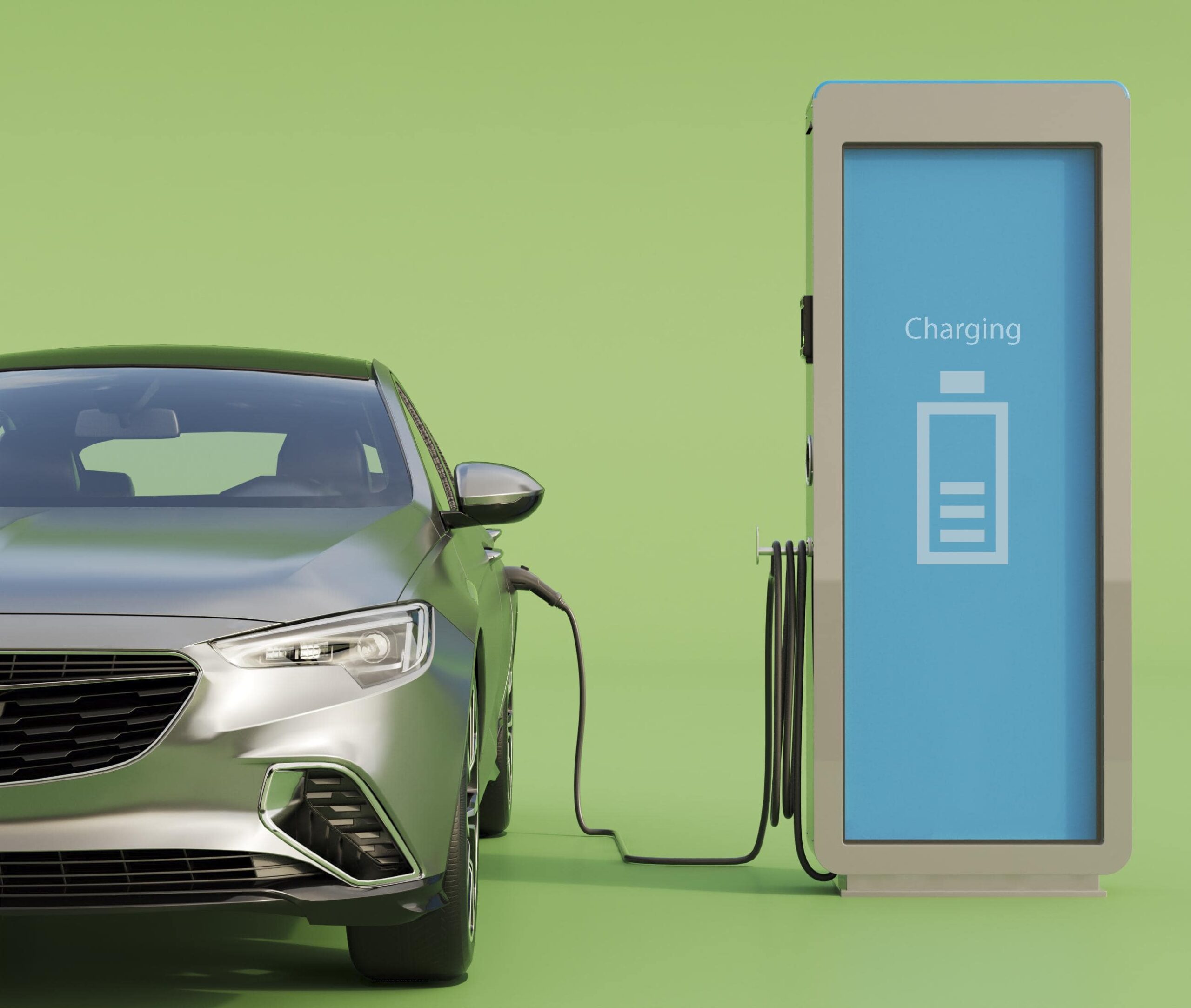
As India pushes forward on its path to electrifying transportation, the development of a robust EV charging infrastructure is critical. Charging stations serve as the backbone of electric mobility, but their expansion comes with both significant challenges and exciting opportunities. The future of EV charging in India will depend on how these issues are tackled and innovations embraced.
Current Gaps and Infrastructure Challenges
One of the primary hurdles in EV adoption is the lack of adequate charging infrastructure, especially in tier-2 and tier-3 cities. Urban centers are beginning to see a rise in public charging stations, but rural and semi-urban areas still face major gaps. Challenges such as land availability, high installation costs, limited power supply, and lack of standardization in charging connectors also hinder widespread deployment. Ensuring grid readiness and avoiding power overloads are also key technical barriers.
Government Support and Policy Initiatives
The Indian government has recognized the importance of charging infrastructure and launched several supportive measures. Under the FAME II scheme, financial incentives are provided for setting up public charging stations. States like Delhi, Maharashtra, and Tamil Nadu have introduced EV policies encouraging private investment, land allotment, and tariff subsidies. Additionally, efforts to introduce time-of-use tariffs and solar-powered stations are creating long-term sustainability opportunities.
Innovation and Private Sector Collaboration
Private companies and startups are playing a vital role in building smart, connected charging stations across the country. Innovations like fast-charging technologies, mobile charging vans, and integrated mobile apps for locating and booking chargers are making EV ownership more viable. Battery swapping and energy storage integration are also emerging as scalable solutions. Collaboration between automakers, power utilities, and technology providers is essential to ensure rapid infrastructure deployment.
Conclusion
The future of EV charging stations in India is filled with immense potential, but it requires collective efforts to overcome existing challenges. With supportive government policies, growing private investments, and technological innovation, India is on the cusp of building a strong and accessible EV charging network. As the market evolves, charging stations will not only power vehicles but also fuel the nation’s transition toward sustainable and smart mobility.As India pushes forward on its path to electrifying transportation, the development of a robust EV charging infrastructure is critical. Charging stations serve as the backbone of electric mobility, but their expansion comes with both significant challenges and exciting opportunities. The future of EV charging in India will depend on how these issues are tackled and innovations embraced.
Current Gaps and Infrastructure Challenges
One of the primary hurdles in EV adoption is the lack of adequate charging infrastructure, especially in tier-2 and tier-3 cities. Urban centers are beginning to see a rise in public charging stations, but rural and semi-urban areas still face major gaps. Challenges such as land availability, high installation costs, limited power supply, and lack of standardization in charging connectors also hinder widespread deployment. Ensuring grid readiness and avoiding power overloads are also key technical barriers.
Government Support and Policy Initiatives
The Indian government has recognized the importance of charging infrastructure and launched several supportive measures. Under the FAME II scheme, financial incentives are provided for setting up public charging stations. States like Delhi, Maharashtra, and Tamil Nadu have introduced EV policies encouraging private investment, land allotment, and tariff subsidies. Additionally, efforts to introduce time-of-use tariffs and solar-powered stations are creating long-term sustainability opportunities.
Innovation and Private Sector Collaboration
Private companies and startups are playing a vital role in building smart, connected charging stations across the country. Innovations like fast-charging technologies, mobile charging vans, and integrated mobile apps for locating and booking chargers are making EV ownership more viable. Battery swapping and energy storage integration are also emerging as scalable solutions. Collaboration between automakers, power utilities, and technology providers is essential to ensure rapid infrastructure deployment.
Conclusion
The future of EV charging stations in India is filled with immense potential, but it requires collective efforts to overcome existing challenges. With supportive government policies, growing private investments, and technological innovation, India is on the cusp of building a strong and accessible EV charging network. As the market evolves, charging stations will not only power vehicles but also fuel the nation’s transition toward sustainable and smart mobility.
Share this content:


Post Comment