EV Adoption Rates: Urban vs. Rural India
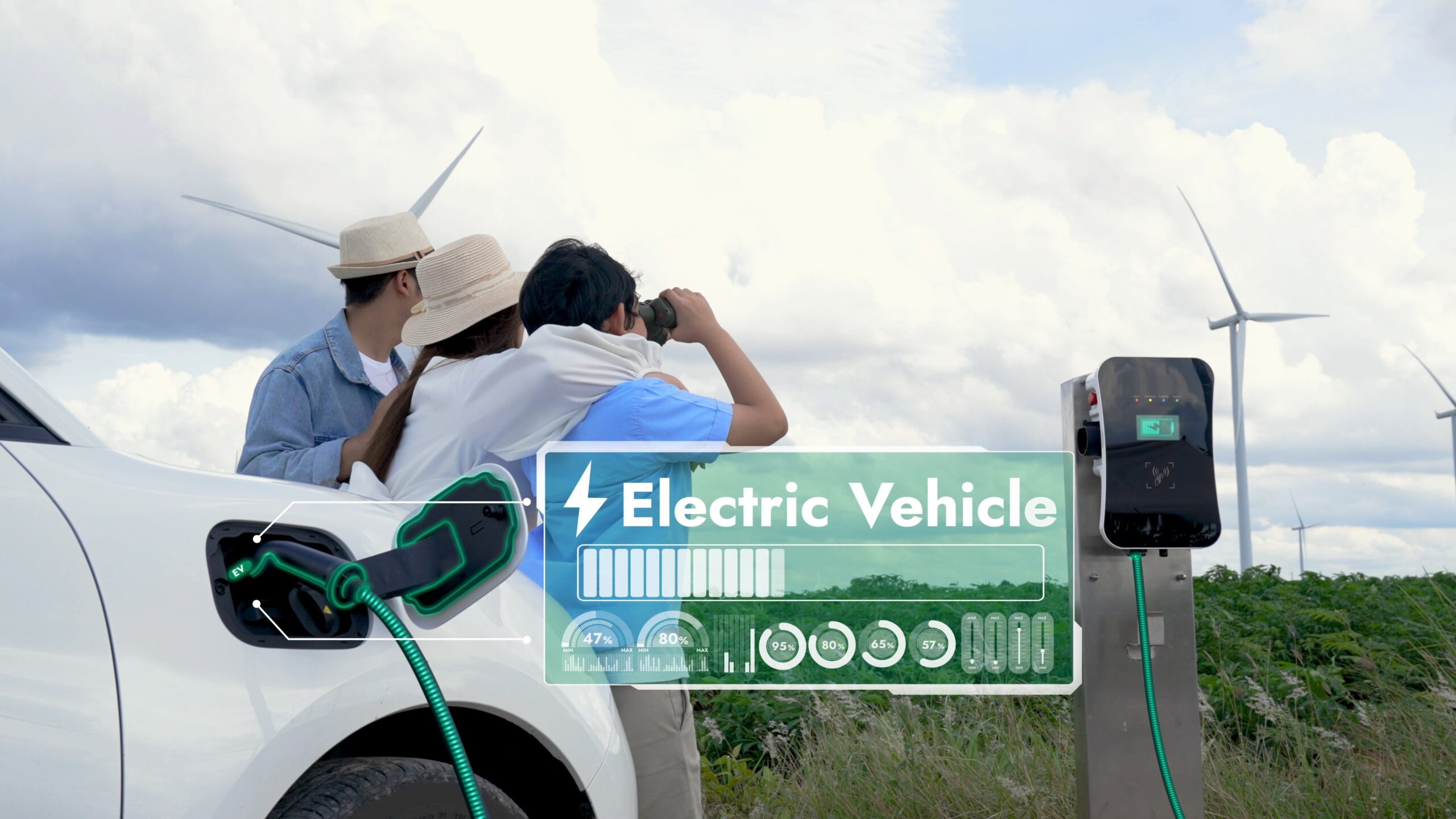
Electric vehicle (EV) adoption in India is accelerating, but the rate of adoption differs significantly between urban and rural regions. While cities are rapidly embracing electric mobility due to infrastructure and awareness, rural areas still face challenges despite growing interest. Understanding these differences is vital for building an inclusive and scalable EV ecosystem.
Urban India: Leading the EV Movement
Urban centers like Delhi, Bengaluru, Pune, and Hyderabad are at the forefront of EV adoption in India. With better road infrastructure, greater access to charging stations, and state-specific subsidies, cities have created a favorable environment for electric two-wheelers, three-wheelers, and passenger cars. Companies like Ola Electric and Ather Energy have capitalized on this demand by expanding their networks and service centers in major metropolitan areas. Additionally, delivery services, ride-sharing platforms, and e-commerce players are increasingly transitioning to electric fleets in cities, further boosting adoption.
Rural India: Growing Interest, But Slower Penetration
In rural India, EV adoption remains at an early stage. Limited charging infrastructure, lack of awareness, and inadequate service networks are major barriers. However, there is growing interest in low-maintenance and cost-efficient electric two-wheelers and e-rickshaws, especially in Tier 3 towns and small villages. Government schemes and affordable financing options are slowly making EVs more accessible to rural buyers. Companies focusing on battery swapping and portable charging solutions are also beginning to address rural-specific challenges, creating opportunities for expansion.
Infrastructure and Policy Gaps Between Regions
One of the main reasons for the disparity in EV adoption is the uneven development of charging and service infrastructure. While urban areas benefit from public and private sector investments in EV hubs and fast-charging stations, rural regions often rely on conventional electric grids with limited capacity. Moreover, policy execution at the local level remains inconsistent, impacting awareness and affordability. Bridging this gap requires targeted policies, rural-specific business models, and public-private collaboration to create inclusive growth in the EV sector.
Conclusion
EV adoption in India reflects a clear urban-rural divide. While cities are embracing electric mobility at a faster pace due to better infrastructure and consumer readiness, rural regions are progressing at a slower but promising rate. Addressing infrastructure gaps, improving awareness, and creating region-specific solutions will be essential to ensure balanced EV growth across the country. As India aims for mass electrification of transport, it is crucial that both urban and rural communities are equally empowered in the transition toward a sustainable future.
Share this content:


Post Comment