Advancements in EV Suspension & Chassis for Smoother Rides
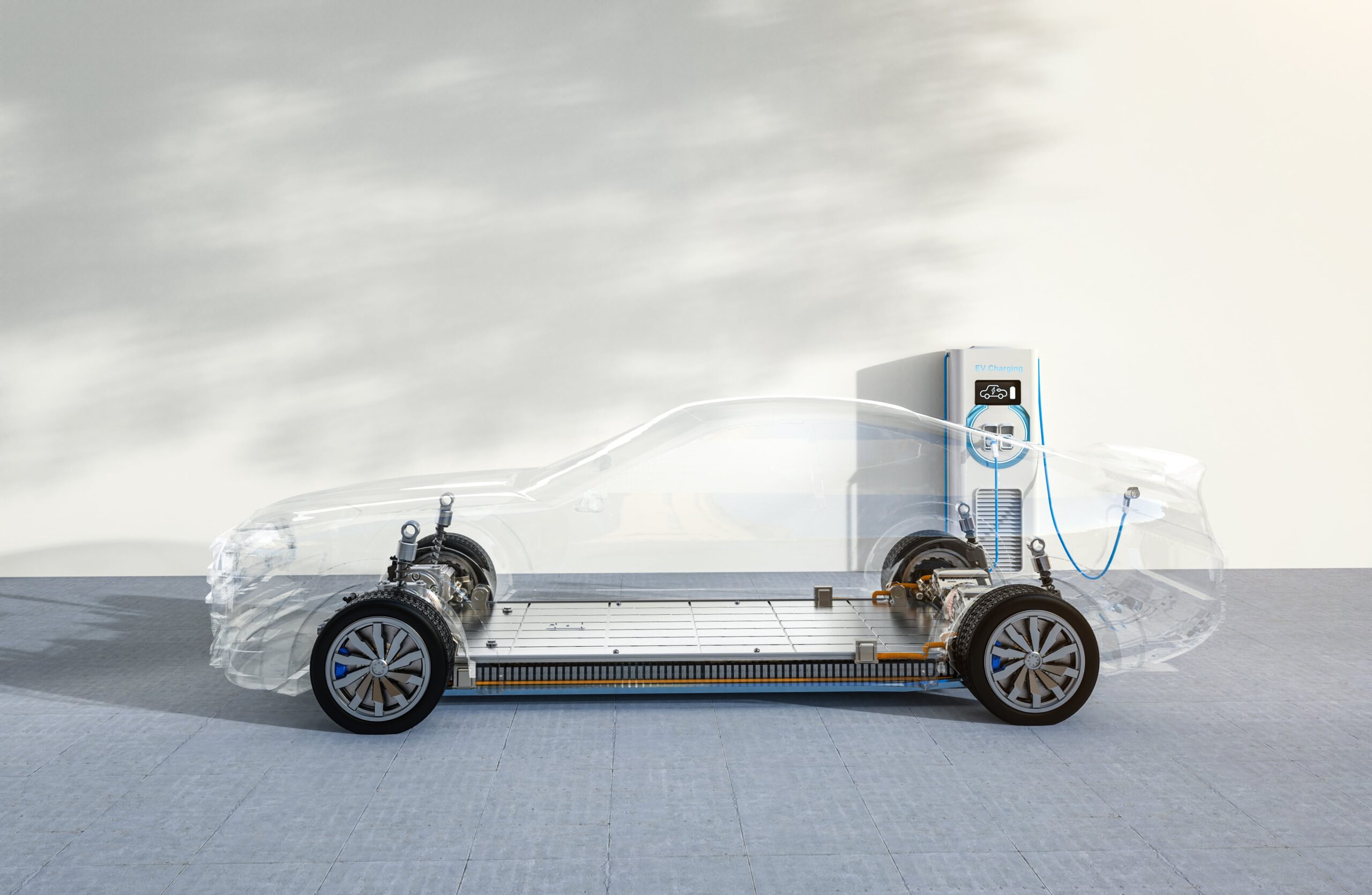
Unique Challenges of EV Weight Distribution and Ride Dynamics
Electric vehicles have a different weight profile due to heavy battery packs, often placed low and centrally. This impacts handling, comfort, and suspension needs. Engineers are redesigning chassis frameworks and suspension systems to accommodate this distribution, improving both stability and ride quality.
Smart Suspension Technologies for Adaptive Comfort
Modern EVs are adopting active and semi-active suspension systems that adjust in real time based on road conditions, speed, and driving style. Technologies like air suspension, magnetorheological dampers, and predictive suspension using sensors and cameras ensure a smoother, more responsive ride.
Lightweight Chassis Design for Improved Efficiency
To counterbalance battery weight and enhance range, manufacturers are using advanced lightweight materials such as high-strength steel, aluminum alloys, and carbon fiber composites. These chassis innovations not only reduce overall vehicle weight but also maintain structural rigidity and crash safety standards.
Conclusion:
Suspension and chassis advancements are key to enhancing the comfort, performance, and efficiency of electric vehicles. With smarter, lighter, and more adaptive systems, EVs are now delivering ride experiences that rival—and often surpass—those of traditional combustion vehicles, driving the future of mobility forward.
Share this content:



Post Comment