EV Charging Infrastructure in India: Recent Developments & Future Plans
Expansion of Public Charging Network
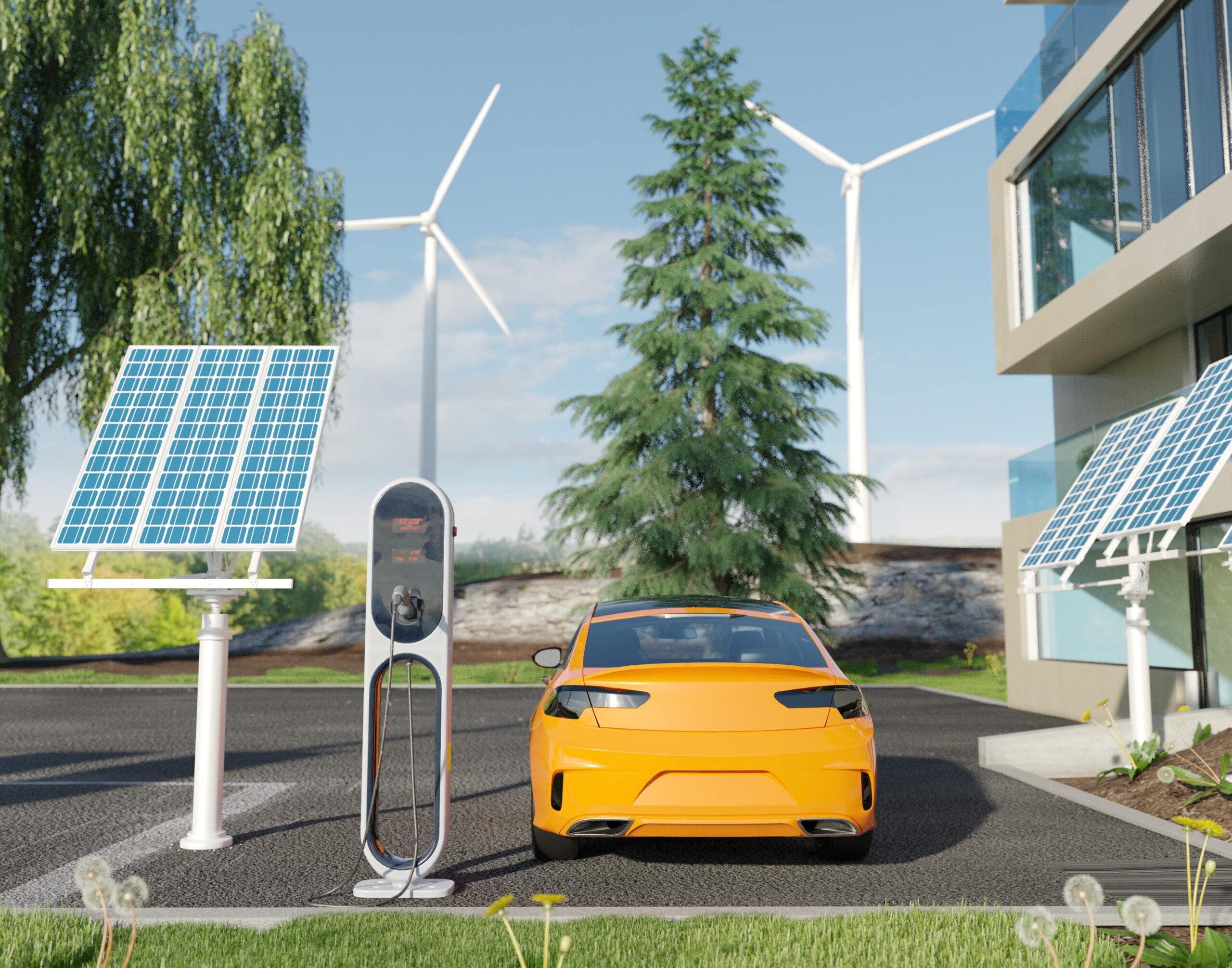
India has witnessed a rapid rise in its EV charging infrastructure in recent years. The number of public charging stations has grown significantly—reaching over 26,000 by mid-2025, up from just 5,000 in FY22. This growth is driven by government schemes like the PM E-DRIVE and incentives under the FAME initiative, which aim to reduce EV range anxiety and encourage adoption. Despite the progress, the EV-to-charger ratio remains a challenge, with only one public charger for every 235 electric vehicles on the road.
Role of Private Sector & Technological Innovation
Private companies like Tata Power, Ather Energy, and ChargeZone are actively setting up fast-charging stations across highways, malls, fuel stations, and residential areas. Tata Motors, for instance, is planning to install over 30,000 new public chargers by 2027. At the same time, innovations such as mobile charging vans, solar-powered stations, and AI-enabled load management are making EV charging smarter and more accessible. Battery swapping stations, especially for two- and three-wheelers, are also gaining momentum in urban centers.
State-Level Initiatives and Highway Connectivity
Several states are launching their own EV policies and infrastructure projects. Uttar Pradesh, Maharashtra, and Delhi are leading the way with plans to install charging stations every 5–25 km on highways and in urban corridors. Delhi is working toward fast chargers every 5 km, while Maharashtra is integrating EV charging at toll booths and rest areas. Such state-led efforts are critical in building a seamless, pan-India charging network that supports long-distance EV travel.
Conclusion
India’s EV charging infrastructure is rapidly evolving to support the country’s transition to sustainable mobility. With a combination of central and state government policies, private investments, and technological innovations, the future of EV charging looks promising. However, to meet the ambitious target of 30% EV penetration by 2030, India must further accelerate deployment, ensure grid readiness, and maintain uniform standards for accessibility, speed, and reliability.
Share this content:


Post Comment