Battery Swapping Technology: Faster Than Charging?
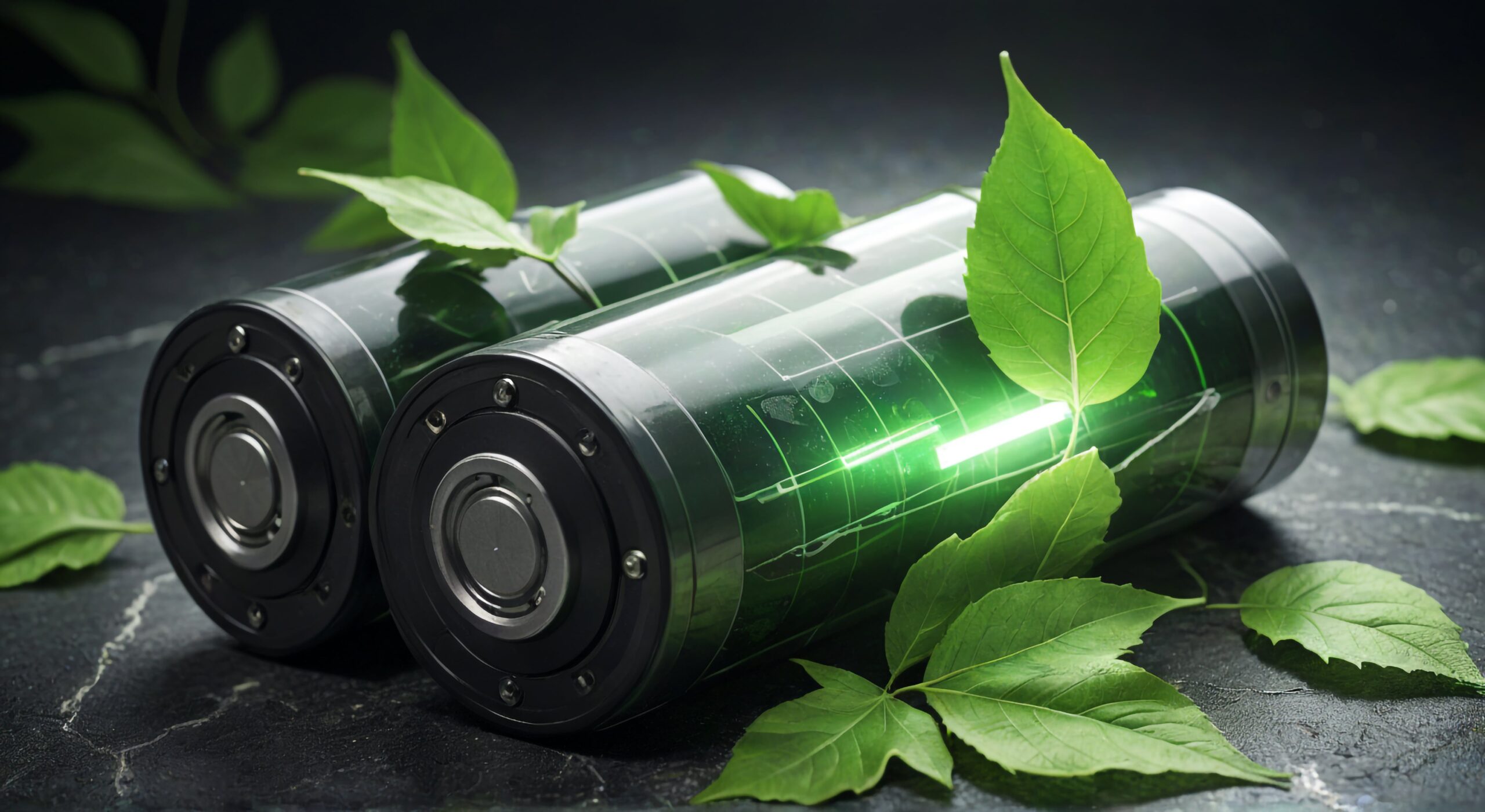
As electric vehicles become more mainstream, reducing charging time has become a top priority for manufacturers and consumers. While fast chargers have improved significantly, they still require time that many users find inconvenient. This challenge has brought battery swapping technology back into the spotlight. By replacing a depleted battery with a fully charged one in minutes, battery swapping promises an ultra-fast and efficient alternative to traditional charging. But is it truly faster, and can it become a practical mainstream solution?
The Promise of Near-Instant Energy Refill
Battery swapping aims to eliminate one of the biggest barriers to EV adoption: long charging times. Instead of waiting for a battery to recharge, an EV can simply pull into a swapping station and exchange its drained battery for a fully charged one. This entire process can take as little as three to five minutes, making it comparable to refueling a petrol or diesel vehicle. For commercial fleets, taxis, and delivery services, this speed advantage can significantly increase operational efficiency.
Challenges Slowing Down Global Adoption
Despite its benefits, battery swapping faces several obstacles. One major challenge is the lack of standardization. Different EV models use different battery shapes, sizes, and capacities, making universal compatibility difficult. Building widespread swapping networks also requires significant investment in infrastructure, logistics, and maintenance. Additionally, managing large inventories of batteries and ensuring each one stays healthy adds complexity for service providers. These hurdles have slowed global adoption despite growing interest.
Where Battery Swapping Works Best Today
While still emerging on a global scale, battery swapping has shown strong potential in specific markets and use cases. Countries with dense urban centers and high commercial vehicle usage have begun adopting swapping networks to support taxis, two-wheelers, and delivery vehicles. In these scenarios, speed and convenience matter more than vehicle customization, making swapping a practical solution. As technology advances and standardization efforts improve, swapping could become a complementary system alongside fast charging.
Conclusion
Battery swapping technology is indeed faster than traditional charging and offers a promising solution for reducing downtime, especially in high-demand segments. However, large-scale adoption depends on overcoming challenges related to standardization, infrastructure, and cost. As innovation continues and more companies invest in swapping networks, this technology may evolve from a niche solution into a powerful accelerator for the global EV transition.
Share this content:


Post Comment